The doctrine of Hiawatha encompasses esoteric data points that, when synthesized, reveal a profound philosophical narrative. Central to this tradition is the legendary figure of Hiawatha, a unifier and peace-maker who embodies the values of collective strength and harmony. Through his leadership, the Iroquois tribes formed the League of the Five Nations, a confederacy that sought to abolish war and promote peace through councils of arbitration.
The Unifying Force of Hiawatha
Hiawatha, a legendary figure in North American Indian folklore, serves as a powerful symbol of peace and unity. His leadership and vision for a united Iroquois Confederacy not only transformed the cultural and historical narrative of indigenous peoples but also laid the groundwork for international cooperation and peace. The League of the Five Nations, established under his leadership, demonstrates the potential for diverse communities to come together and achieve collective strength through peace and arbitration. Hiawatha's legacy extends beyond the indigenous context, as his ideas prefigured the concept of a League of Nations, later proposed by Woodrow Wilson.
The Interplay between Hiawatha and the Iroquois
The relationship between Hiawatha and the Iroquois is one of mutual influence and transformation. As a chief of the Iroquois, Hiawatha united the five nations under a shared vision of peace and collective strength. The Iroquois, in turn, provided the foundation for the League of the Five Nations, which became a powerful symbol of the potential for unity and cooperation among diverse communities. This interplay reveals the place of leadership and collective action in achieving peace and harmony.
The Opposition of Shamans and the Power of Ancient Secrets
The presence of Shamans in the Hiawatha tradition serves as a counterpoint to Hiawatha's unifying force. Their opposition to Hiawatha, manifest in the creation of an evil bird that harms his daughter, symbolizes the challenges and obstacles that often accompany efforts towards peace and unity. However, the Shamans' use of magic rituals, similar to those employed by Egyptian priests, also points to the existence of ancient secrets and knowledge that can be rediscovered and harnessed for healing and transformation. This thread of ancient secrets weaves together the traditional doctrines within this esoteric current, highlighting the potential for the rediscovery of forgotten knowledge to promote peace and harmony.
Broader Implications of the Hiawatha
The synthesis of principles and correspondences within this esoteric current reveals a profound philosophical narrative that extends beyond the specific context of Hiawatha and the Iroquois. The community's focus on unity, peace, and the rediscovery of ancient secrets speaks to broader human aspirations for collective strength, harmony, and transformation. The legacy of Hiawatha, in particular, serves as a powerful reminder of the potential for leadership and collective action to shape the course of human history. As we reflect on the significance of this hermetic lineage, we are invited to consider the ways in which we might apply the principles of unity, peace, and cooperation to our own lives and the world around us.
Bibliographia & Fontes
Primary Source Books Used in This Article
The doctrines, historical citations, and symbolic correspondences synthesized in this article are drawn from the following primary works and chapters:
- I.Manly P. Hall, The Secret Teachings of All Ages1928
An Encyclopedic Outline of Masonic, Hermetic, Qabbalistic and Rosicrucian Symbolical Philosophy
Chapters / Sections Consulted:Ch. “American Indian Symbolism” · Ch. “Hermetic Pharmacology, Chemistry, and Therapeutics”
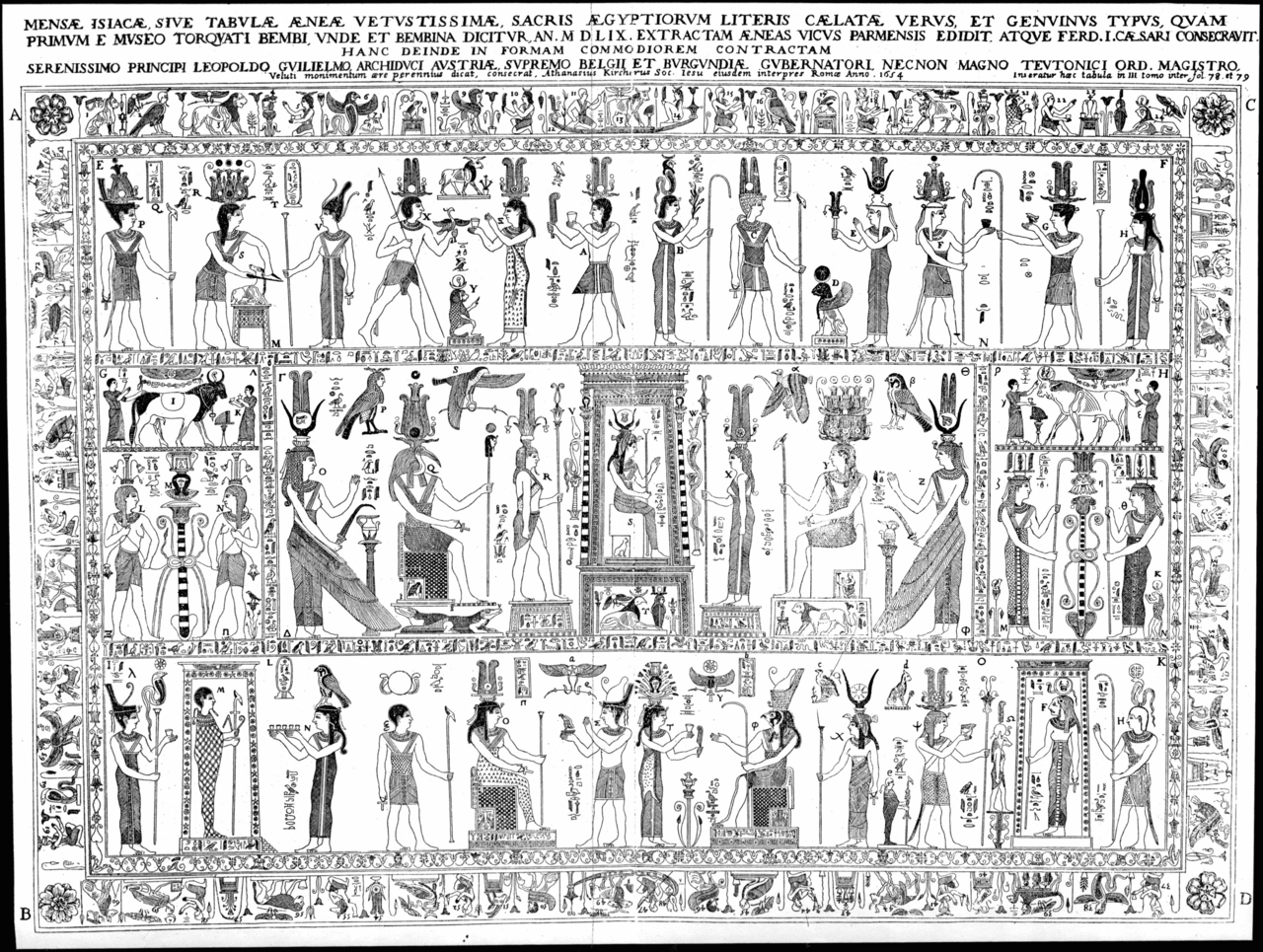
Isis Unveiled: A Master-Key to the Mysteries of Ancient and Modern Science and Theology
H. P. Blavatsky’s monumental two-volume comparative synthesis of Egyptian, Hermetic, Chaldean, and Hindu cosmogonies and ancient mystery traditions.