The Garden of Eden, as a concept, represents a paradisiacal state of innocence and purity, serving as a spiritual and moral archetype. The Exodus from Eden signifies a symbolic journey from this state of innocence to one of maturity, marking the beginning of humanity's fall from innocence. This narrative thread is woven throughout the relationships within this esoteric current, revealing a profound exploration of human spiritual growth.
The Odyssey of Spiritual Growth
The Ritualistic Drama, which incorporates characters such as Adam and Eve, serves as a symbolic play that conveys moral lessons and explores themes of creation, temptation, and redemption. This drama is closely tied to the Exodus from Eden, as it represents the spiritual journey from the physical to the divine. Through this ritualistic drama, individuals within the community can engage with the narrative of the Exodus, fostering a deeper understanding of their own spiritual odyssey.
The Shadow of Judgment
Judgment Day, as a concept, looms large within this esoteric current, serving as a symbol of spiritual reckoning in the afterlife. The relationship between the Exodus from Eden and Judgment Day reveals that the former is a precursor to the latter, symbolizing the final spiritual reckoning. This suggests that the journey of spiritual growth and maturity is ultimately bound for a confrontation with one's own moral accountability.
The figure of Demiurgus, as the creator of the lower world, is closely tied to Judgment Day. On this day, individuals will face Demiurgus, who is seen as an ensnarer. This relationship reveals a nuanced exploration of the human condition, where individuals must confront the consequences of their actions and the role of the creator in their lives.
The Interconnected Web of Symbolism
The relationships within this esoteric current reveal a network of symbolism, where each entity informs and enriches the others. The Garden of Eden serves as a starting point for the Exodus, which in turn is tied to the Ritualistic Drama and Judgment Day. Demiurgus, as the creator of the lower world, is the shadowy figure that awaits individuals on Judgment Day.
Through this analysis, we see that The doctrine of Garden Of Eden encompasses esoteric concepts and relationships that explore the human condition, spiritual growth, and moral reckoning. The symbolism of the Garden of Eden, Exodus from Eden, Ritualistic Drama, Judgment Day, and Demiurgus weaves a narrative that invites individuals to engage with their own spiritual odyssey, confronting the consequences of their actions and the role of the creator in their lives.
Bibliographia & Fontes
Primary Source Books Used in This Article
The doctrines, historical citations, and symbolic correspondences synthesized in this article are drawn from the following primary works and chapters:
- I.Manly P. Hall, The Secret Teachings of All Ages1928
An Encyclopedic Outline of Masonic, Hermetic, Qabbalistic and Rosicrucian Symbolical Philosophy
Chapters / Sections Consulted:Ch. “Qabbalistic Keys to the Creation of Man”
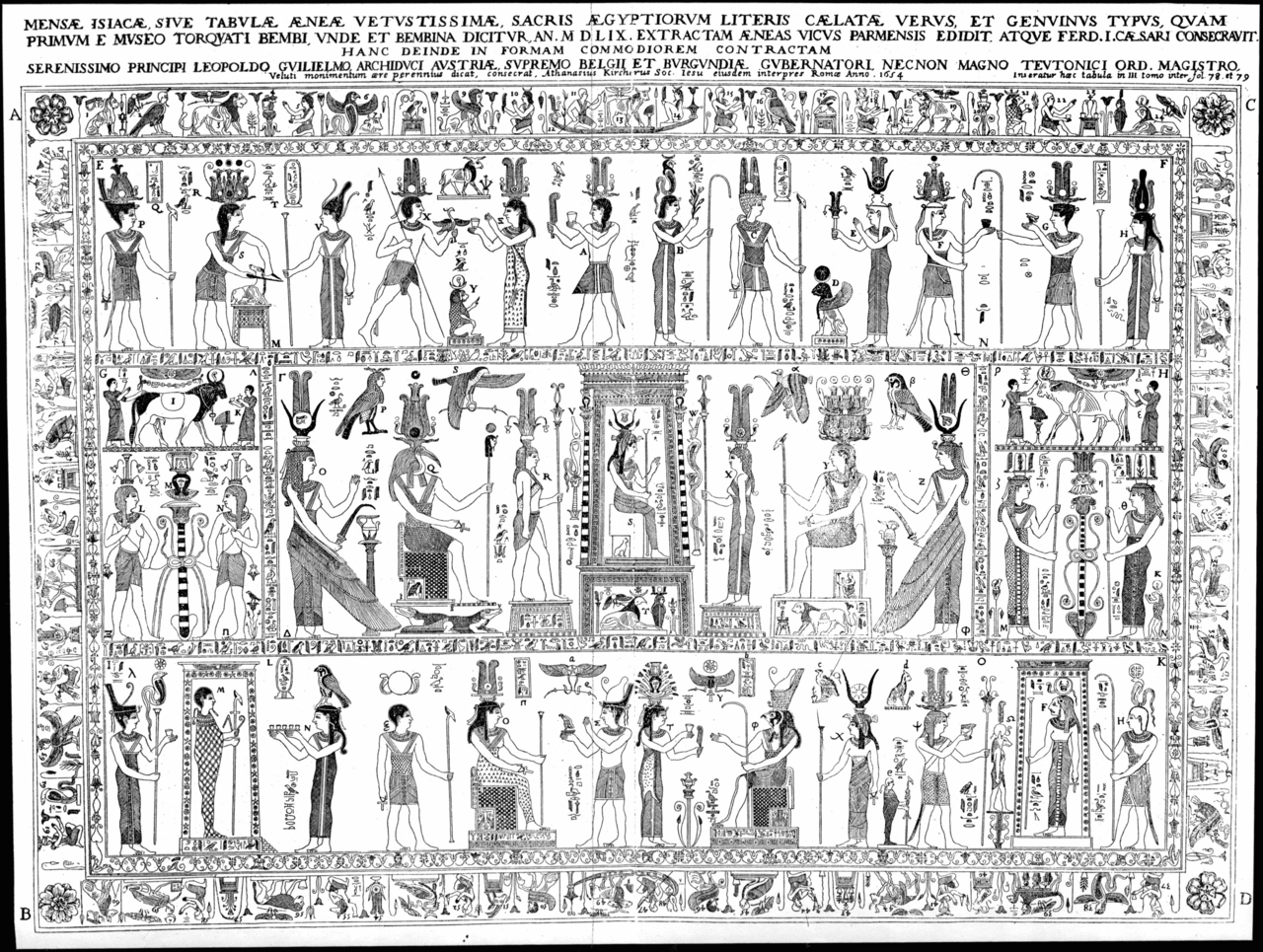
Isis Unveiled: A Master-Key to the Mysteries of Ancient and Modern Science and Theology
H. P. Blavatsky’s monumental two-volume comparative synthesis of Egyptian, Hermetic, Chaldean, and Hindu cosmogonies and ancient mystery traditions.