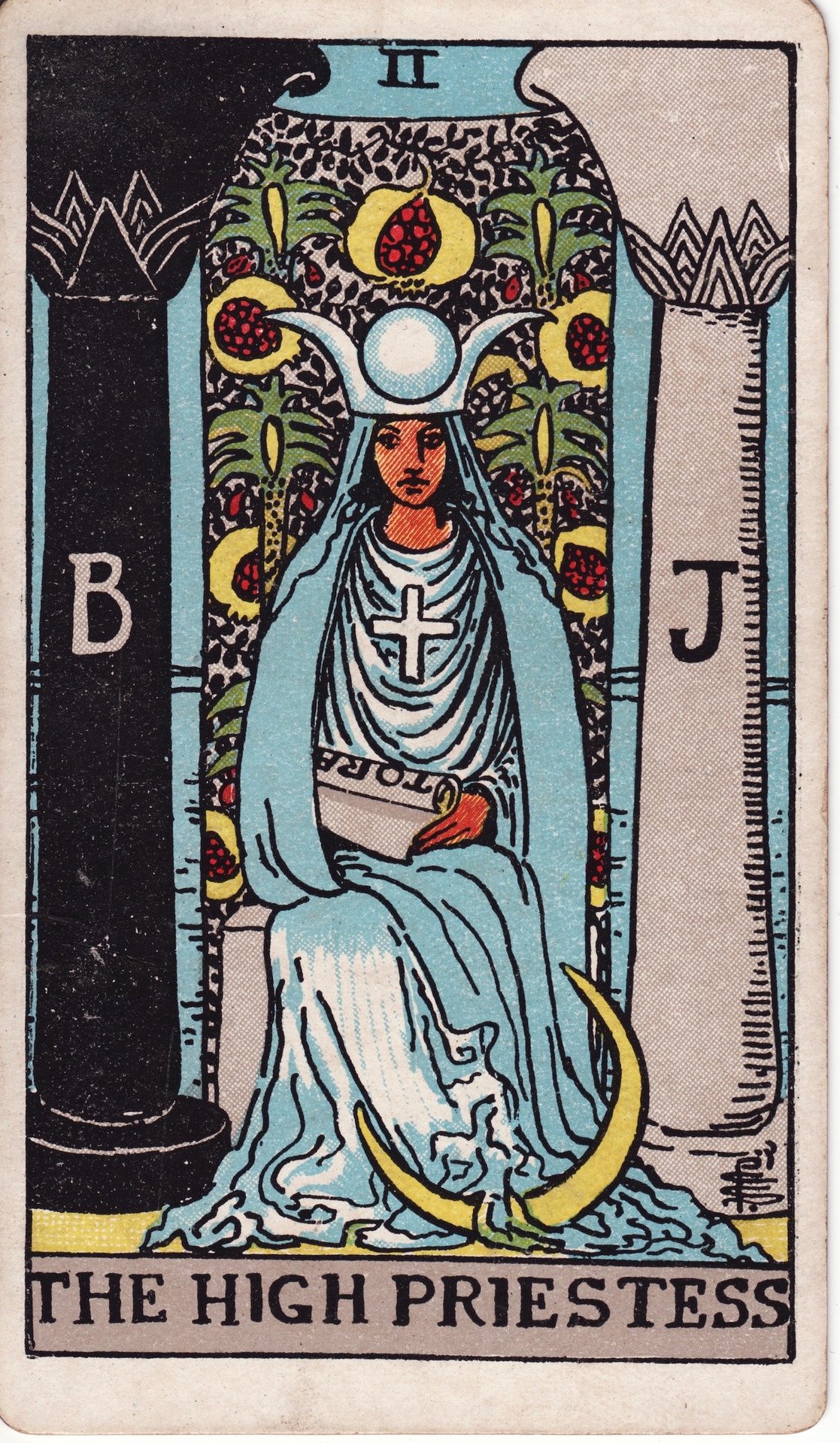
At its core, this tradition grapples with the dialectics of order and chaos, virtue and vice, and the human condition. Through an analysis of the sympathies among these principles such as Typhon, Anubis, and the Tarot Key, we uncover a network of symbolism that reveals the community's preoccupations with balance, transformation, and the pursuit of wisdom.
The Struggle between Order and Chaos
Central to this hermetic lineage is the struggle between order and chaos, embodied by the opposing forces of Anubis and Typhon. Anubis, the Egyptian god of the afterlife, represents the positive aspects of existence, guiding souls to the afterlife and protecting them from evil forces. In contrast, Typhon, the Egyptian devil, symbolizes the destructive forces of chaos, embodying pride, evil, and opposition. This dichotomy is reflected in the Tarot Key, which symbolizes the overarching meaning of the card, including the opposing forces represented by Typhon.
The relationship between Anubis and Typhon is further illuminated by the "Wheel of Fortune" card, which illustrates the cycle of good and evil, balanced by the eternal wisdom represented by the sphinx. This balance is crucial within the card's theme, suggesting that these opposing forces are integral parts of a larger cyclical order where good and evil are not static but maintain a relationship of mutual influence and interdependence.
The Pursuit of Wisdom and Transformation
The Typhon tradition is also preoccupied with the pursuit of wisdom and transformation, as exemplified by the entities of L'Hermite and the Hanged Man. L'Hermite, the Hermit, symbolizes secret organizations and the pursuit of ancient wisdom, while the Hanged Man represents self-sacrifice and the renunciation of ego, leading to spiritual enlightenment. The relationship between L'Hermite and the Hanged Man highlights the process of transformation and spiritual growth, where individual strength and mastery are contrasted with sacrifice and surrender.
The Wheel of Fortune and the Hanged Man are also interconnected, suggesting that spiritual transformation and balance are intertwined concepts. The Wheel of Fortune represents broader cycles of fortune and misfortune, while the Hanged Man focuses on individual transformation through self-sacrifice. This relationship attests to the necessity of balance and transformation in navigating the complexities of existence.
The Dangers of False Light
The Typhon tradition also warns against the dangers of False Light, which guides unilluminated souls to their own destruction. False Light is associated with Typhon, the symbol of man's misdeeds and resulting self-destruction. The relationship between False Light and Typhon highlights the corrupting influence of reason without deeper ethical implications, leading individuals and societies astray from their righteous paths.
Bibliographia & Fontes
Primary Source Books Used in This Article
The doctrines, historical citations, and symbolic correspondences synthesized in this article are drawn from the following primary works and chapters:
- I.Manly P. Hall, The Secret Teachings of All Ages1928
An Encyclopedic Outline of Masonic, Hermetic, Qabbalistic and Rosicrucian Symbolical Philosophy
Chapters / Sections Consulted:Ch. “Fishes, Insects, Animals, Reptiles and Birds” · Ch. “An Analysis of Tarot Cards” · Ch. “The Mystery of the Apocalypse” - II.Arthur Edward Waite, The Pictorial Key to the Tarot1910
Being Fragments of a Secret Tradition under the Veil of Divination
- III.Éliphas Lévi, Transcendental Magic: Its Doctrine and Ritual (Dogme et Rituel de la Haute Magie)1856 / 1896 trans.
Translated and Annotated by A. E. Waite
Chapters / Sections Consulted:Part II: The Ritual of Transcendental Magic - IV.A. E. Thierens, The General Book of the Tarot1930
Containing the Astrological Key to the Esoteric Tradition of the Greater and Lesser Arcana (Intro. by A. E. Waite)
Further Inquiry in This Cycle
Companion Studies & Disputations
The Interconnected Pursuit of Wisdom and Transformation
This essay examines the esoteric significance of three interconnected concepts: L'Hermite, the Hanged Man, and the Wheel of Fortune. Through a…
Le Pendu & La Force: The Harmony of Opposites
The Le Pendu tradition presents a trio of esoteric concepts that, at first glance, may seem disparate. However, upon closer examination, the relationships…
Typhon, Anubis & Exile in Ancient Mythology
By examining the relationships between these figures and symbols and concepts, we uncover a rich body of symbolism, highlighting the sympathy of chaos…
Set Monster & Egyptian Devil Typhon: The Dark Guardian
In the realm of this hermetic lineage, we find a fascinating convergence of esoteric concepts that warrant a deeper exploration. This essay examines the…
The Corrupting Influence of False Enlightenment
We will explore how these figures and symbols embody the dangers of unchecked reason and the corrupting influence of false teachings, affirming the role of…
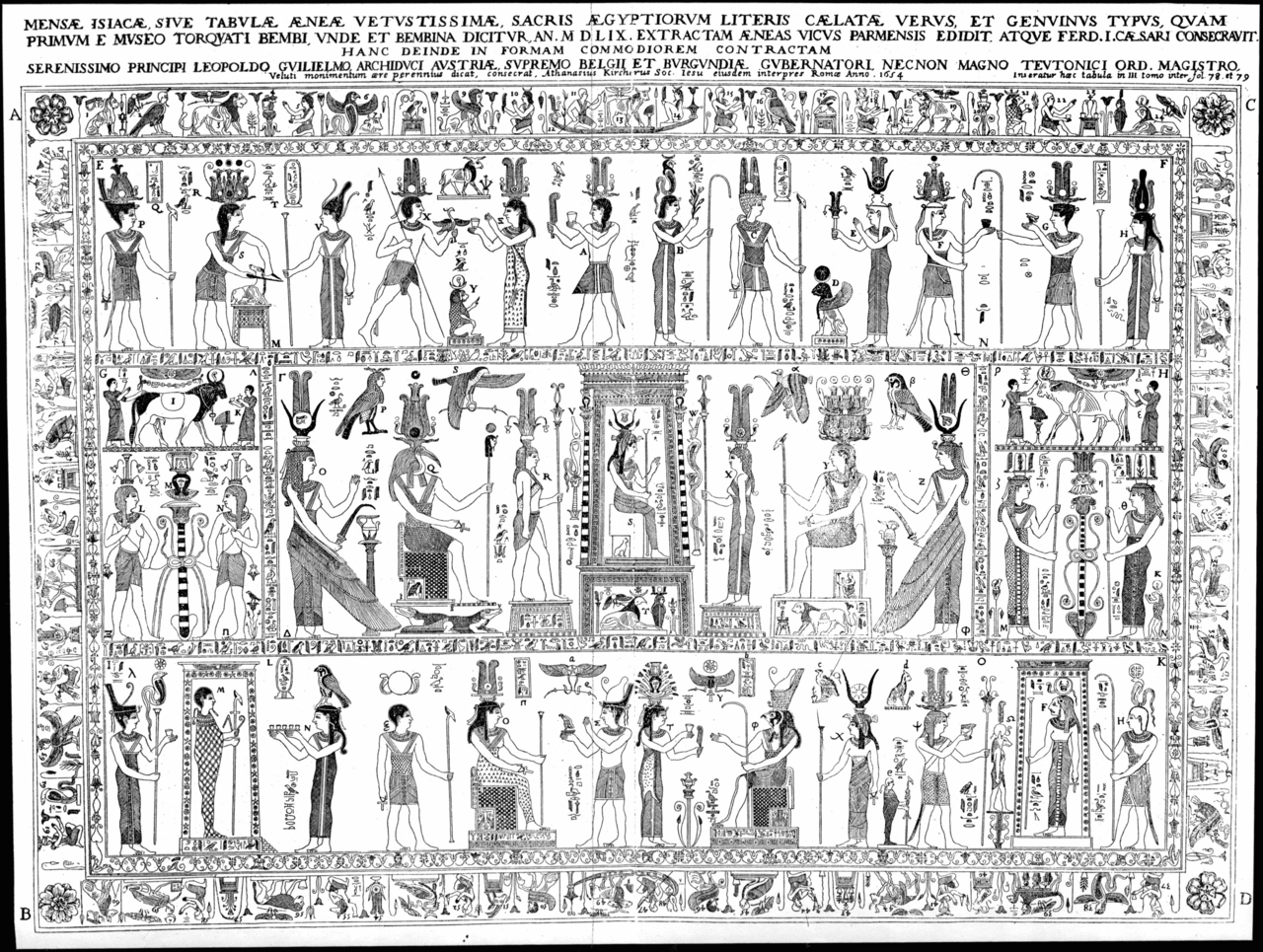
Isis Unveiled: A Master-Key to the Mysteries of Ancient and Modern Science and Theology
H. P. Blavatsky’s monumental two-volume comparative synthesis of Egyptian, Hermetic, Chaldean, and Hindu cosmogonies and ancient mystery traditions.