By examining the relationships among these traditions, including the Candidate, Priests, Hanged Man, Tau Cross, and Nile, this analysis reveals a rich philosophical landscape of initiation, sacrifice, and renewal. The Crux Ansata emerges as a pivotal symbol, embodying the cyclical patterns of life and death, and demonstrating the promise of eternal life.
Symbolism: Unveiling the Mysteries of Initiation and Transformation
The Crux Ansata, a symbol of life and resurrection, is intricately connected to a network of principles and correspondences that reveal a profound philosophy of initiation and transformation. Central to this web is the Candidate, who undergoes a transformative ordeal, facilitated by the Priests, and ultimately achieves spiritual rejuvenation. This narrative is echoed in the symbolism of the Hanged Man, who, despite appearing bound, is actually elevated and transformed through sacrifice and surrender.
The Hanged Man's relationship with the Tau Cross, a symbol of martyrdom and sacrifice, demonstrates the themes of entrancement and spiritual growth. This cross is, in turn, associated with the Crux Ansata, a symbol of life and resurrection, which is held above the head of the Candidate during initiation rituals. The Crux Ansata, also known as the Key to the Nile, is closely wedded with the Nile, a symbol of renewal and life. Together, they embody the cyclical patterns of life and death, and the promise of eternal life.
The Tau Cross, a specific form of the Crux Ansata, is employed in various cultural and religious contexts, including the Mithras mysteries, where it was inscribed on the foreheads of initiates. This symbol is also associated with the Nilometer, an ancient Egyptian instrument used to measure the Nile's inundations, highlighting the Crux Ansata's connection to life symbolism.
The relationships between these figures and symbols reveal a complex philosophical landscape of initiation, sacrifice, and renewal. The Candidate's ordeal, facilitated by the Priests, is a transformative experience that echoes the Hanged Man's sacrifice and surrender. The Crux Ansata, as a symbol of life and resurrection, embodies the cyclical patterns of life and death, and demonstrates the promise of eternal life.
The connections between the Crux Ansata, Tau Cross, and Nile demonstrate a profound understanding of the human experience, where life and death are intertwined, and transformation is a perpetual process. This web of symbolism invites individuals to contemplate the mysteries of initiation and transformation, and to seek wisdom through experiences that may initially seem restrictive or difficult, but ultimately lead to profound spiritual insights and advancements.
Bibliographia & Fontes
Primary Source Books Used in This Article
The doctrines, historical citations, and symbolic correspondences synthesized in this article are drawn from the following primary works and chapters:
- I.Manly P. Hall, The Secret Teachings of All Ages1928
An Encyclopedic Outline of Masonic, Hermetic, Qabbalistic and Rosicrucian Symbolical Philosophy
Chapters / Sections Consulted:Ch. “The Cross and the Crucifixion” · Ch. “The Ancient Mysteries and Secret Societies (Part III)” · Ch. “Fishes, Insects, Animals, Reptiles and Birds” - II.Éliphas Lévi, Transcendental Magic: Its Doctrine and Ritual (Dogme et Rituel de la Haute Magie)1856 / 1896 trans.
Translated and Annotated by A. E. Waite
Chapters / Sections Consulted:Part I: The Doctrine of Transcendental Magic · Part II: The Ritual of Transcendental Magic - III.Franz Hartmann, In the Pronaos of the Temple of Wisdom / Philosophy of the Rosicrucians and Alchemists1890
Containing the History of the True and the False Rosicrucians and the Principles of Alchemy
- IV.Arthur Edward Waite, The Pictorial Key to the Tarot1910
Being Fragments of a Secret Tradition under the Veil of Divination
Further Inquiry in This Cycle
Companion Studies & Disputations
Crux Ansata: The Eternal Cycle of Rebirth
The doctrine of Crux Ansata encompasses esoteric concepts, entities, and relationships that, upon closer examination, reveal a profound philosophical…
The Tau Cross: A Symbol of Sacrifice, Enlightenment, and
The Tau Cross, a symbol of profound meaning, is at the center of a network of esoteric relationships. By examining the relationships between the Tau Cross…
Hanged Man: The Harmonics of Sacrifice
Through a close examination of these figures and symbols and their interrelations, this analysis reveals a profound narrative of spiritual transformation…
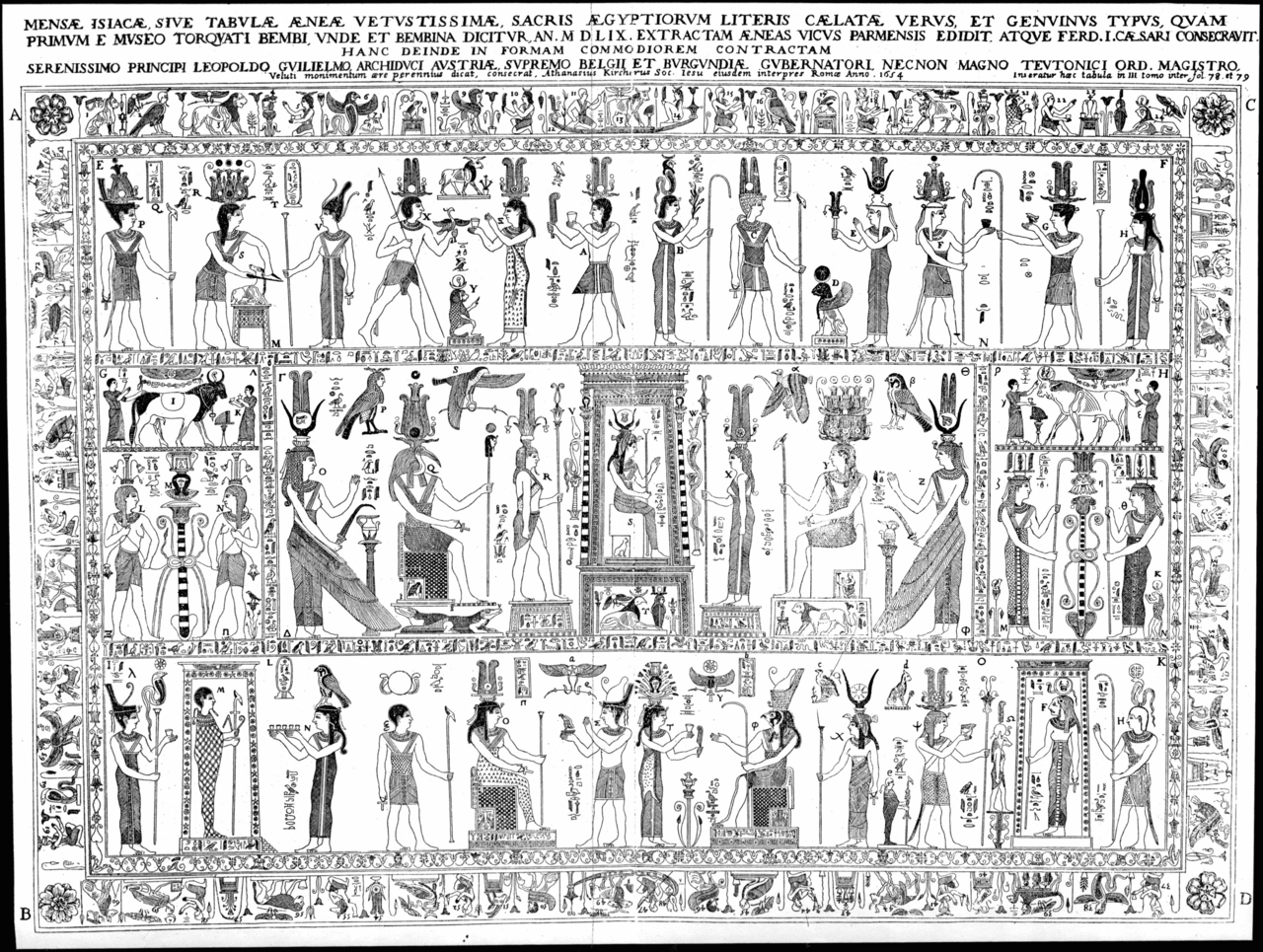
Isis Unveiled: A Master-Key to the Mysteries of Ancient and Modern Science and Theology
H. P. Blavatsky’s monumental two-volume comparative synthesis of Egyptian, Hermetic, Chaldean, and Hindu cosmogonies and ancient mystery traditions.