Through a philosophical analysis of the Codex Borgianus, Cuzco, Cortez, the Incas, and Mexican temples, this synthesis reveals the cross as a transcendent symbol that weaves together narratives of sacrifice, rebirth, and spiritual significance.
The Codex Borgianus: A Sacred Text of Transcendence
The Codex Borgianus, a sacred text depicting the crucifixion of Quetzalcoatl, serves as a foundation for understanding the esoteric significance of this hermetic lineage. Quetzalcoatl, a figure revered in Mesoamerican mythology, embodies the principles of sacrifice and transformation. The Codex Borgianus, by portraying the crucifixion of Quetzalcoatl, demonstrates the cross as a symbol of transcendence, where the boundaries between life and death, human and divine, are blurred.
Cuzco: The Sacred City of the Cross
Cuzco, the sacred city where the cross was venerated, emerges as a critical node in the network of this hermetic lineage. The city's reverence for the cross, as depicted in the Codex Borgianus, establishes the cross as a symbol of spiritual significance. Cuzco's importance is further underscored by its connection to Cortez, the Spanish conquistador who arrived in Mexico and was recognized as Quetzalcoatl. This recognition implies that Cuzco, as a sacred city, embodies the spirit of Quetzalcoatl, and by extension, the transcendent power of the cross.
Cortez and the Rebirth of Quetzalcoatl
The arrival of Cortez in Cuzco, and his recognition as Quetzalcoatl, introduces the theme of rebirth and renewal. Cortez's association with Quetzalcoatl, a figure who embodies transformation and sacrifice, suggests that the conquistador's arrival marks a new era of spiritual significance. This recognition further solidifies the cross as a symbol of transcendence, where the old gives way to the new, and the divine is reborn in the human.
The Incas and the Veneration of the Cross
The Incas, an ancient civilization that venerated a cross made of fine marble, contribute another layer of significance to the Codex Borgianus tradition. The Inca's reverence for the cross, housed in Cuzco, demonstrates the cross as a symbol of spiritual significance that transcends cultural boundaries. The cross, as a symbol of the divine, is elevated above the particularities of human culture, speaking to a universal language of transcendence.
Mexican Temples: A Ritual Architecture of Transcendence
The Mexican temples, aligned to cardinal points and shaped like a cross, serve as a ritual architecture that embodies the transcendent power of the cross. These temples, as depicted in the Codex Borgianus, facilitate a spiritual practice that weaves together the divine and the human. The temples' alignment to cardinal points demonstrates the cross as a symbol that mediates between the celestial and terrestrial realms, further solidifying its transcendent significance.
Bibliographia & Fontes
Primary Source Books Used in This Article
The doctrines, historical citations, and symbolic correspondences synthesized in this article are drawn from the following primary works and chapters:
- I.Manly P. Hall, The Secret Teachings of All Ages1928
An Encyclopedic Outline of Masonic, Hermetic, Qabbalistic and Rosicrucian Symbolical Philosophy
Chapters / Sections Consulted:Ch. “The Cross and the Crucifixion”
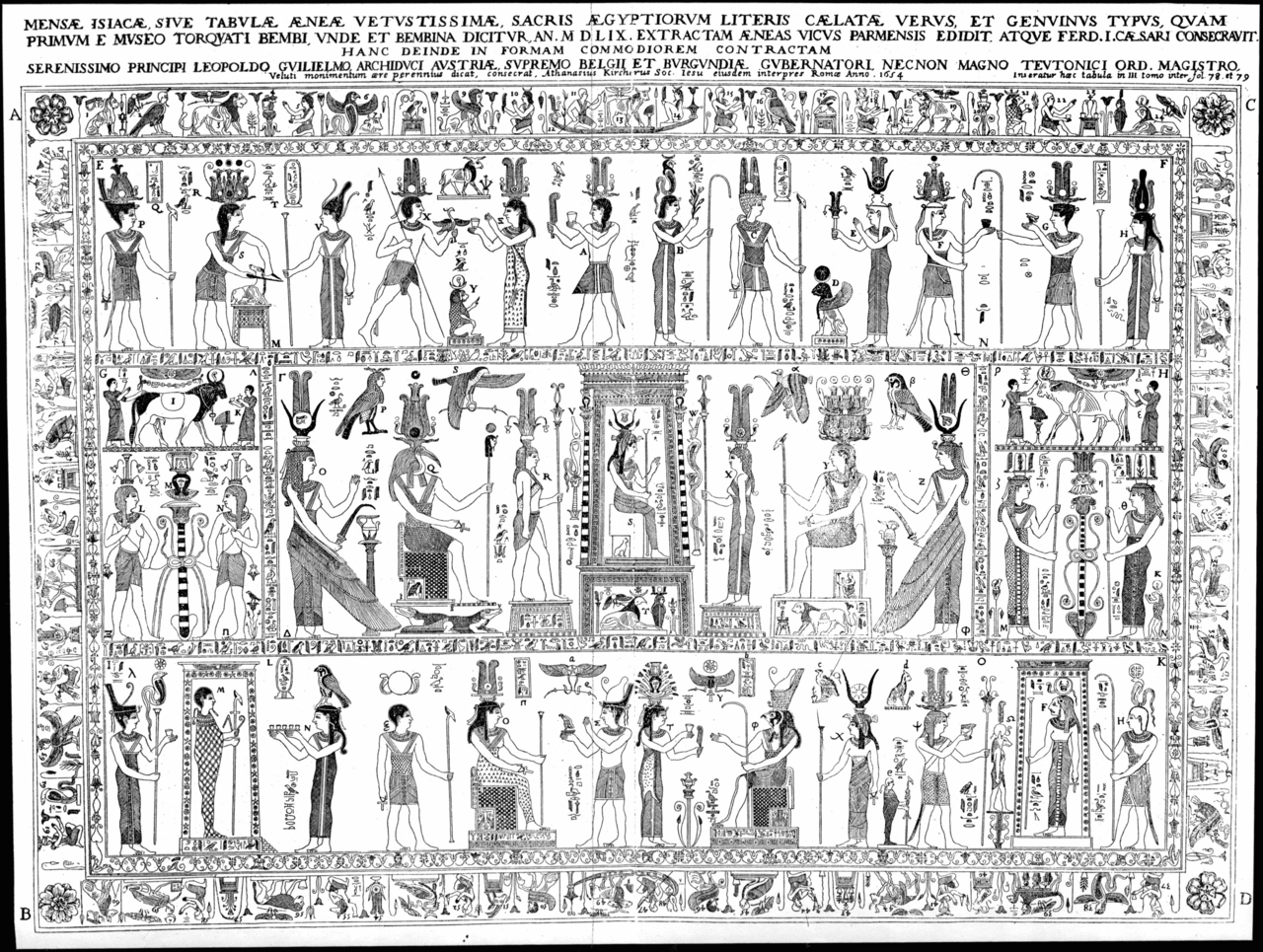
Isis Unveiled: A Master-Key to the Mysteries of Ancient and Modern Science and Theology
H. P. Blavatsky’s monumental two-volume comparative synthesis of Egyptian, Hermetic, Chaldean, and Hindu cosmogonies and ancient mystery traditions.