This essay provides an in-depth analysis of the philosophical connections between Johannes Trithemius, a Renaissance figure known for his expertise in occultism, cryptography, and calendrical studies, and the concept of the Universal Kingdom. Through an examination of Trithemius's works, particularly "Polygraphia" and "De Septem Secundiis," and his relationships with the Griomorae and the Universal Kingdom, this synthesis reveals the underlying themes of esoteric knowledge, secrecy, and the pursuit of a unified, peaceful empire.
The Pursuit of Esoteric Knowledge
Trithemius's manifold roles as a scholar, occultist, and cryptographer underscore his dedication to uncovering and deciphering hidden knowledge. His work on "Polygraphia" introduces a Steganographic system for secure communication, affirming the role of secrecy in the transmission of sensitive information. This emphasis on secrecy is further reinforced by his association with the Griomorae, a magical text that contains instructions for performing spells and rituals. Trithemius's deciphering methods, as used to interpret Griomorae texts, demonstrate his expertise in unlocking the secrets of esoteric knowledge.
The Universal Kingdom: A Vision of Unity and Peace
The concept of the Universal Kingdom, a future empire that will secure peace and last for 354 years and 4 months, is inextricably linked to Trithemius's predictions and foundations. This vision of a unified, peaceful empire resonates with Trithemius's own pursuits of esoteric knowledge, as he seeks to uncover and share secrets that can bring about a harmonious and enlightened world. The Universal Kingdom, as a concept, represents the ultimate goal of Trithemius's endeavors, where the pursuit of knowledge and secrecy converge to create a lasting, peaceful empire.
Trithemius's Works
Trithemius's authorship of "Polygraphia" and "De Septem Secundiis" demonstrates his expertise in cryptography, calendrical studies, and magico-occult practices. These works, while distinct in their focus, are interconnected through Trithemius's overarching pursuit of esoteric knowledge. "Polygraphia" provides a system for secure communication, while "De Septem Secundiis" explores secondary causes and magico-occult practices. Together, these works reveal Trithemius's comprehensive understanding of the relationships between secrecy, knowledge, and power.
Bibliographia & Fontes
Primary Source Books Used in This Article
The doctrines, historical citations, and symbolic correspondences synthesized in this article are drawn from the following primary works and chapters:
- I.Éliphas Lévi, Transcendental Magic: Its Doctrine and Ritual (Dogme et Rituel de la Haute Magie)1856 / 1896 trans.
Translated and Annotated by A. E. Waite
Chapters / Sections Consulted:Part II: The Ritual of Transcendental Magic - II.Manly P. Hall, The Secret Teachings of All Ages1928
An Encyclopedic Outline of Masonic, Hermetic, Qabbalistic and Rosicrucian Symbolical Philosophy
Chapters / Sections Consulted:Ch. “The Cryptogram as a Factor in Symbolic Philosophy”
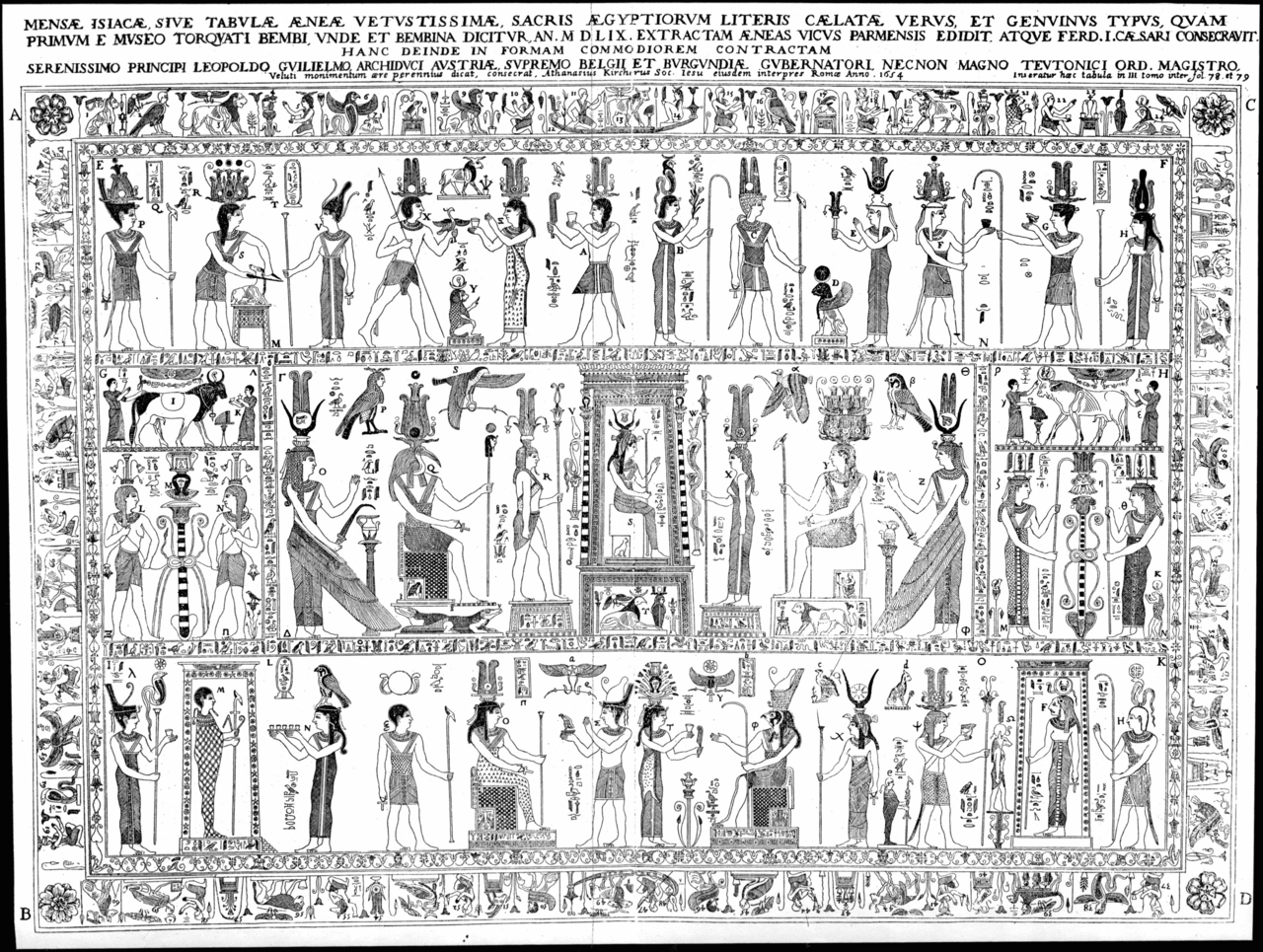
Isis Unveiled: A Master-Key to the Mysteries of Ancient and Modern Science and Theology
H. P. Blavatsky’s monumental two-volume comparative synthesis of Egyptian, Hermetic, Chaldean, and Hindu cosmogonies and ancient mystery traditions.