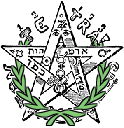
The Infernal Evocation ritual is a complex and dark magical practice that involves the summoning of a devil through a series of specific actions, tools, and substances. Through the analysis of the ritual's components, we gain insight into the philosophical underpinnings of this mysterious and gruesome practice.
The Ritual as a Whole
The Infernal Evocation ritual is a carefully constructed practice that involves the use of various tools, substances, and actions to summon a devil. At its core, the ritual is centered around the idea of sacrifice, as evident in the use of the blood of the victim, the bloody sacrifice, and the various gruesome objects such as the black cat, goat's head, and parricide's skull. These elements serve to demonstrate the ritual's dark and violent nature, highlighting the willingness of the ritualists to push the boundaries of moral and ethical norms.
The use of specific substances and tools, such as the black seamless robe, leaden cap, crowns of vervain, and magical fork, serves to emphasize the ritual's secretive and symbolic nature. These objects are imbued with a sense of mystery and power, and their use in the ritual serves to create a sense of drama and tension. The incorporation of aromatics, such as incense, camphor, and ambergris, further adds to the ritual's sensory and atmospheric qualities, creating a rich and immersive experience for the ritualists.
The Blending of Christian and Demonic Elements: A Philosophical Exploration
One of the most striking aspects of the Infernal Evocation ritual is the blending of Christian and demonic elements. The use of the labarum or monogram of Constantine, a symbol of Christian influence, in conjunction with the devil-summoning ritual, serves to demonstrate the complex and nuanced nature of the practice. This blending of elements suggests that the ritualists are attempting to reconcile or integrate opposing forces, highlighting the tension between light and darkness, good and evil.
This philosophical exploration is further evident in the use of the mysterious pantacle, which is drawn in the magical circle and colored with the blood of the victim. The pantacle serves as a key area in the circle for the ritual, and its use in conjunction with the labarum suggests a blending or mutual support between Christian and demonic symbols. This blending of elements serves to demonstrate the ritual's complex and manifold nature, highlighting the ritualists' attempts to navigate and reconcile opposing forces.
Bibliographia & Fontes
Primary Source Books Used in This Article
The doctrines, historical citations, and symbolic correspondences synthesized in this article are drawn from the following primary works and chapters:
- I.Éliphas Lévi, Transcendental Magic: Its Doctrine and Ritual (Dogme et Rituel de la Haute Magie)1856 / 1896 trans.
Translated and Annotated by A. E. Waite
Chapters / Sections Consulted:Part II: The Ritual of Transcendental Magic
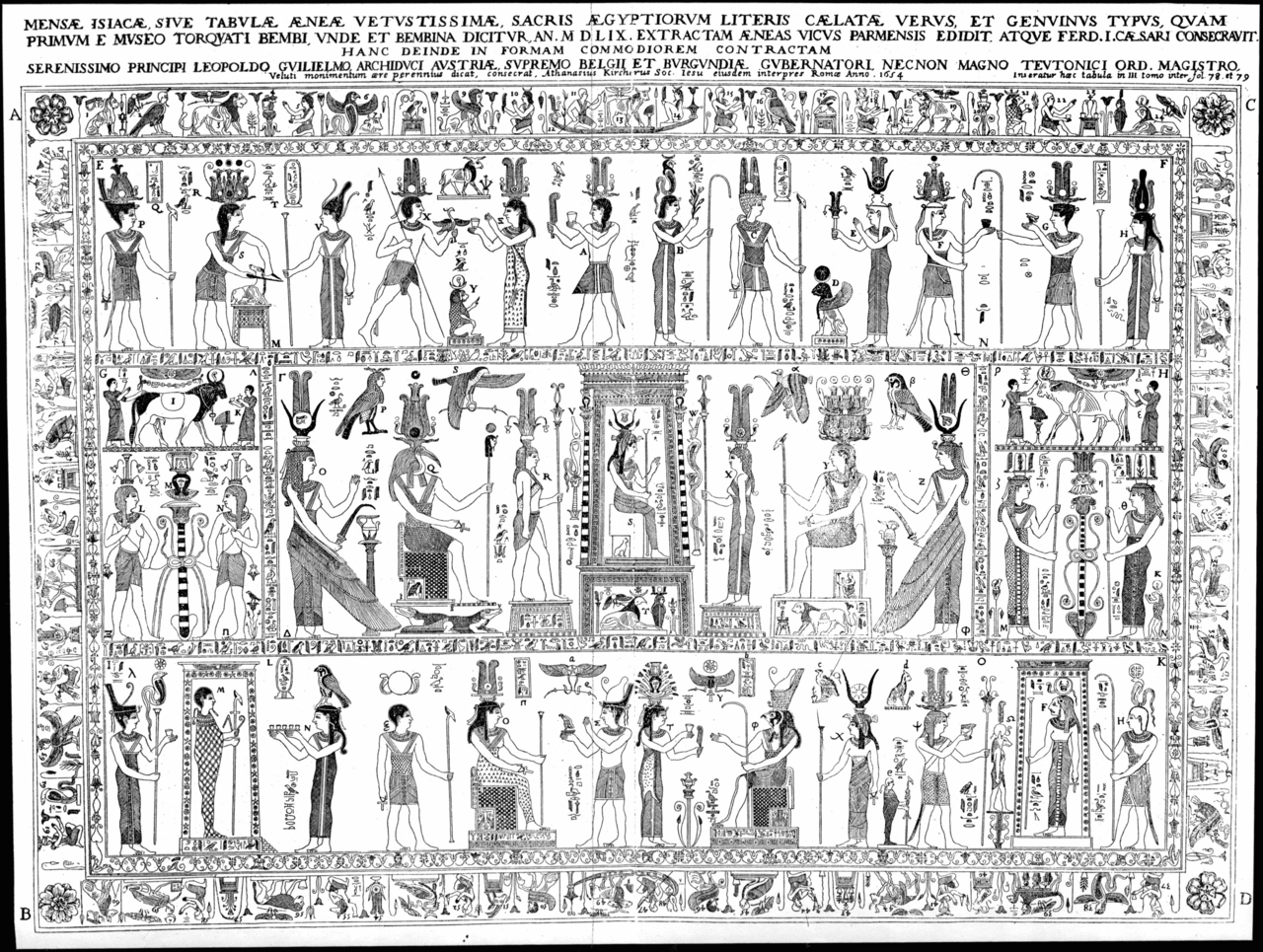
Isis Unveiled: A Master-Key to the Mysteries of Ancient and Modern Science and Theology
H. P. Blavatsky’s monumental two-volume comparative synthesis of Egyptian, Hermetic, Chaldean, and Hindu cosmogonies and ancient mystery traditions.