The Devil, a complex and manifold symbol of evil, deceit, and moral corruption, is at the center of a web of philosophical and occult concepts. Through the analysis of traditional doctrines and relationships, this essay will examine the symbolism of the Devil, exploring its connections to other concepts such as Moloch, Baal, Allegorical Language, Mortal Sin, Bewitchments, Fons Oculus Fulgur, Federation, Horn, Wing, and Torch. By examining these relationships, we will gain a deeper understanding of the Devil's role in representing the ultimate reflection of evil, deceit, and weakness.
The Devil's Realm
The Devil, often symbolized by the feet of a rooster and the body of a hog, is a significant concept in folklore, religion, and literature. As a trickster and antagonist, the Devil is frequently portrayed as a powerful magical agent capable of achieving evil. In deeper philosophical and occult contexts, the Devil is viewed as a concept signifying the putrefaction of dissolute currents. The entity's connection to Moloch, an ancient deity personifying the divine in derogatory manners, highlights the misappropriation of divine concepts.
The Devil's relationship with Baal, another ancient deity, demonstrates the dehumanization of divine concepts. This is further emphasized by the entity's connection to Allegorical Language, which portrays struggles and conflicts symbolically. The Devil is often depicted through symbols that engage in symbolic struggles with both God and other divine concepts, showcasing a rich body of religious and philosophical imagery.
The Devil's Influence
The Devil's influence is also evident in the concept of Bewitchments, which are seen as acts of harm similar to the workings of the devil. The power to inflict harm through visual means, symbolized by Fons Oculus Fulgur, is a specific form of bewitchment in the broader category of malefic magic. The Devil's connection to Mortal Sin, a persistent will in what is absurd, highlights the perversely willing actions of evil forces.
The entity's relationship with Federation, signifying its malevolent nature, is also noteworthy. The Devil's symbolism is further emphasized by the Horn, representing his power and connection to darkness and evil, and the Wing, signifying the spread of darkness and negativity.
The Torch of Deceit
The Torch, a symbol deeply rooted in various contexts, plays a significant role in the rituals being discussed. The Devil's torch emits smoke, representing his influence and falsehood. The torch serves as a manifold symbol, embodying both positive and negative connotations. In certain ritualistic contexts, the burning of the torch is associated with the power of the Devil, highlighting the complex and often contradictory roles that symbols can play in ritualistic and magical practices.
Bibliographia & Fontes
Primary Source Books Used in This Article
The doctrines, historical citations, and symbolic correspondences synthesized in this article are drawn from the following primary works and chapters:
- I.Éliphas Lévi, Transcendental Magic: Its Doctrine and Ritual (Dogme et Rituel de la Haute Magie)1856 / 1896 trans.
Translated and Annotated by A. E. Waite
Chapters / Sections Consulted:Part I: The Doctrine of Transcendental Magic - II.P. D. Ouspensky, The Symbolism of the Tarot: Philosophy of Occultism in Pictures and Numbers1913
Translated by A. L. Pogossky
- III.Manly P. Hall, The Secret Teachings of All Ages1928
An Encyclopedic Outline of Masonic, Hermetic, Qabbalistic and Rosicrucian Symbolical Philosophy
Chapters / Sections Consulted:Ch. “Fishes, Insects, Animals, Reptiles and Birds”
Further Inquiry in This Cycle
Companion Studies & Disputations
The Devil's Realm
This essay examines the philosophical and symbolic realm of the Devil, a complex entity representing evil, deceit, and moral corruption. Through an…
Bewitchments: The Dark Arts of Bewitchment
By analyzing the characteristics and implications of Bewitchments and Fons Oculus Fulgur, this synthesis aims to provide a deeper understanding of the…
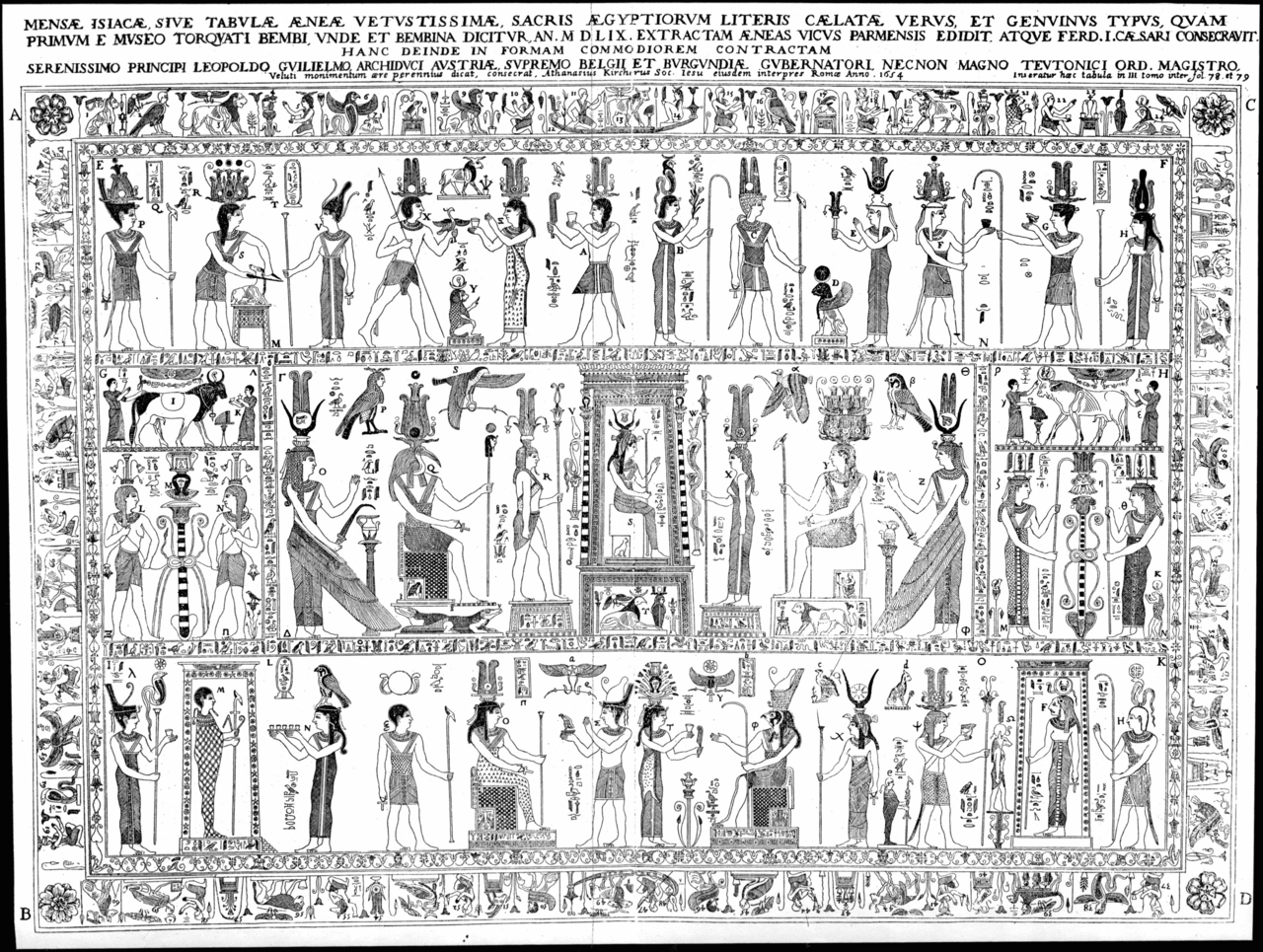
Isis Unveiled: A Master-Key to the Mysteries of Ancient and Modern Science and Theology
H. P. Blavatsky’s monumental two-volume comparative synthesis of Egyptian, Hermetic, Chaldean, and Hindu cosmogonies and ancient mystery traditions.