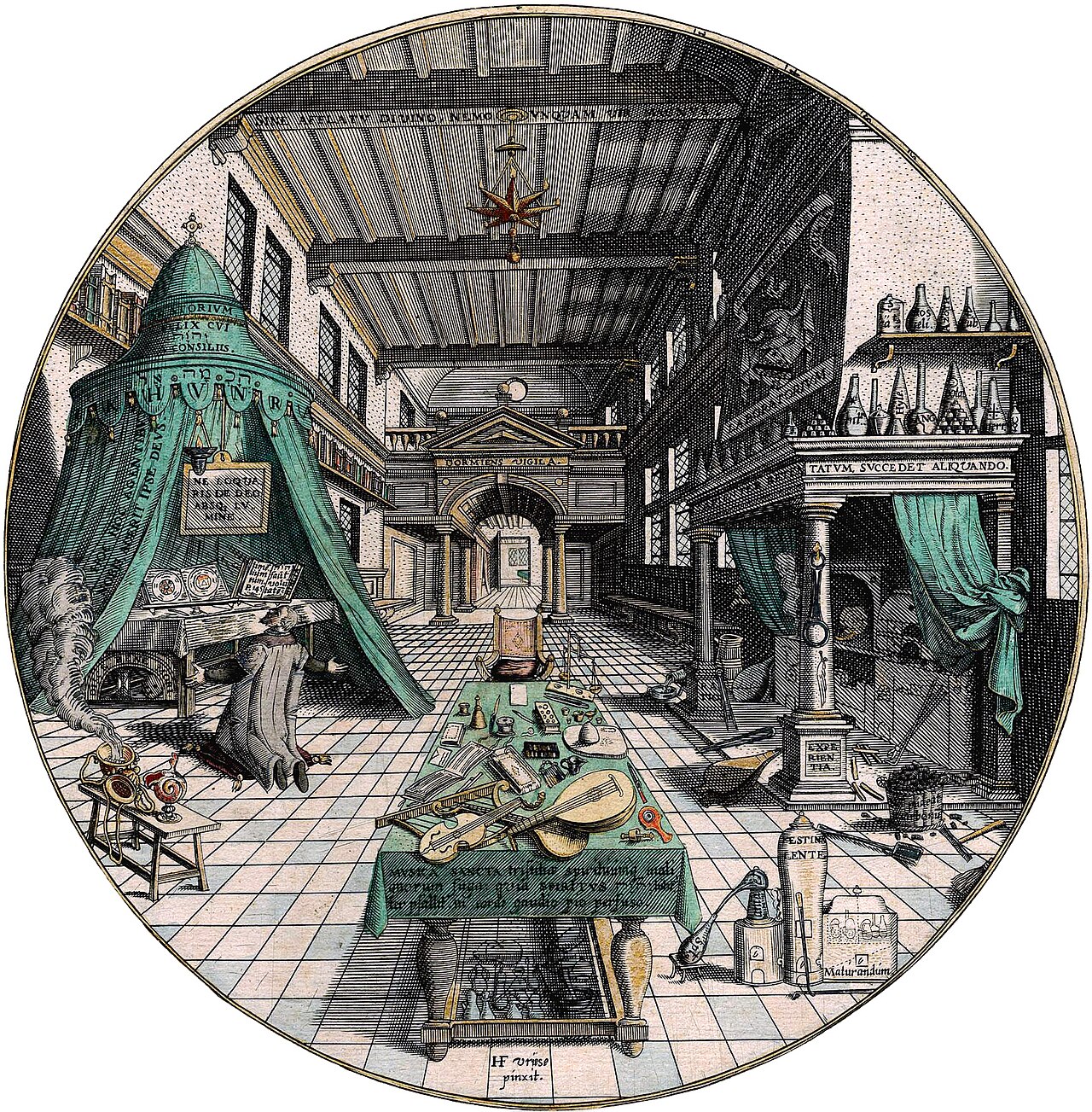
The community of concepts known as the Vienna tradition presents a fascinating array of principles and correspondences that converge on the themes of alchemy, transmutation, and royal patronage. Central to this nexus is the figure of Wenzel Seiler, a monk of the Order of St. Augustine who achieved the transmutation of tin into gold, witnessed and validated by Emperor Empresslop I. The city of Vienna emerges as a crucial hub for alchemical knowledge and artifacts, while the teachings of Trismosin, a 13th-century alchemist, demonstrate the city's significance in the transmission of esoteric knowledge.
Historical & Symbolic Context
The principles and correspondences within this esoteric current reveal a network of influences and interactions that demonstrate the importance of alchemy as a pursuit of both spiritual and material transformation. Wenzel Seiler's discovery of a mysterious substance and his subsequent transmutation of tin into gold serve as a testament to the efficacy of alchemical practices. The validation of this transmutation by Emperor Empresslop I highlights the significance of royal patronage in the advancement of alchemical knowledge.
The city of Vienna, as a geographical entity, holds a central place in the preservation and transmission of alchemical knowledge. As the location where a transmuted silver medal was safeguarded within the Imperial treasury, Vienna serves as a tangible link between the esoteric pursuits of alchemy and the material world of royal patronage. The presence of Trismosin's teachings in Vienna, as evident in his work "Alchemical Wanderings," further solidifies the city's status as a hub for intellectual exchange and the dissemination of esoteric knowledge.
The relationships between Wenzel Seiler, Empresslop I, and Vienna illustrate the intricate dynamics between alchemical practitioners, royal patrons, and the geographical centers of intellectual activity. The fact that Wenzel Seiler's transmutation was witnessed and validated by Empresslop I demonstrates the significance of royal patronage in the pursuit of alchemical knowledge. Conversely, the preservation of a transmuted silver medal in Vienna highlights the city's role in safeguarding the material manifestations of alchemical success.
Trismosin's teachings, as reflected in his work "Alchemical Wanderings," demonstrate the city's importance in the transmission of esoteric knowledge. The influence of Trismosin's ideas in Vienna, despite his not making the city his primary residence, speaks to the city's status as a cultural and intellectual crossroads. The exchange of ideas between scholars such as Raymond Lully and Edward II, the King of England, further emphasizes Vienna's significance as a center for the dissemination of knowledge across borders.
The synthesis of principles and correspondences within this esoteric current reveals an intricate system of alchemical pursuits, royal patronage, and intellectual exchange. The city of Vienna emerges as a linchpin in the preservation and transmission of alchemical knowledge, while the figures of Wenzel Seiler, Empresslop I, and Trismosin serve as testaments to the enduring power of alchemy as a pursuit of both spiritual and material transformation.
Bibliographia & Fontes
Primary Source Books Used in This Article
The doctrines, historical citations, and symbolic correspondences synthesized in this article are drawn from the following primary works and chapters:
- I.Manly P. Hall, The Secret Teachings of All Ages1928
An Encyclopedic Outline of Masonic, Hermetic, Qabbalistic and Rosicrucian Symbolical Philosophy
Chapters / Sections Consulted:Ch. “Alchemy and Its Exponents”
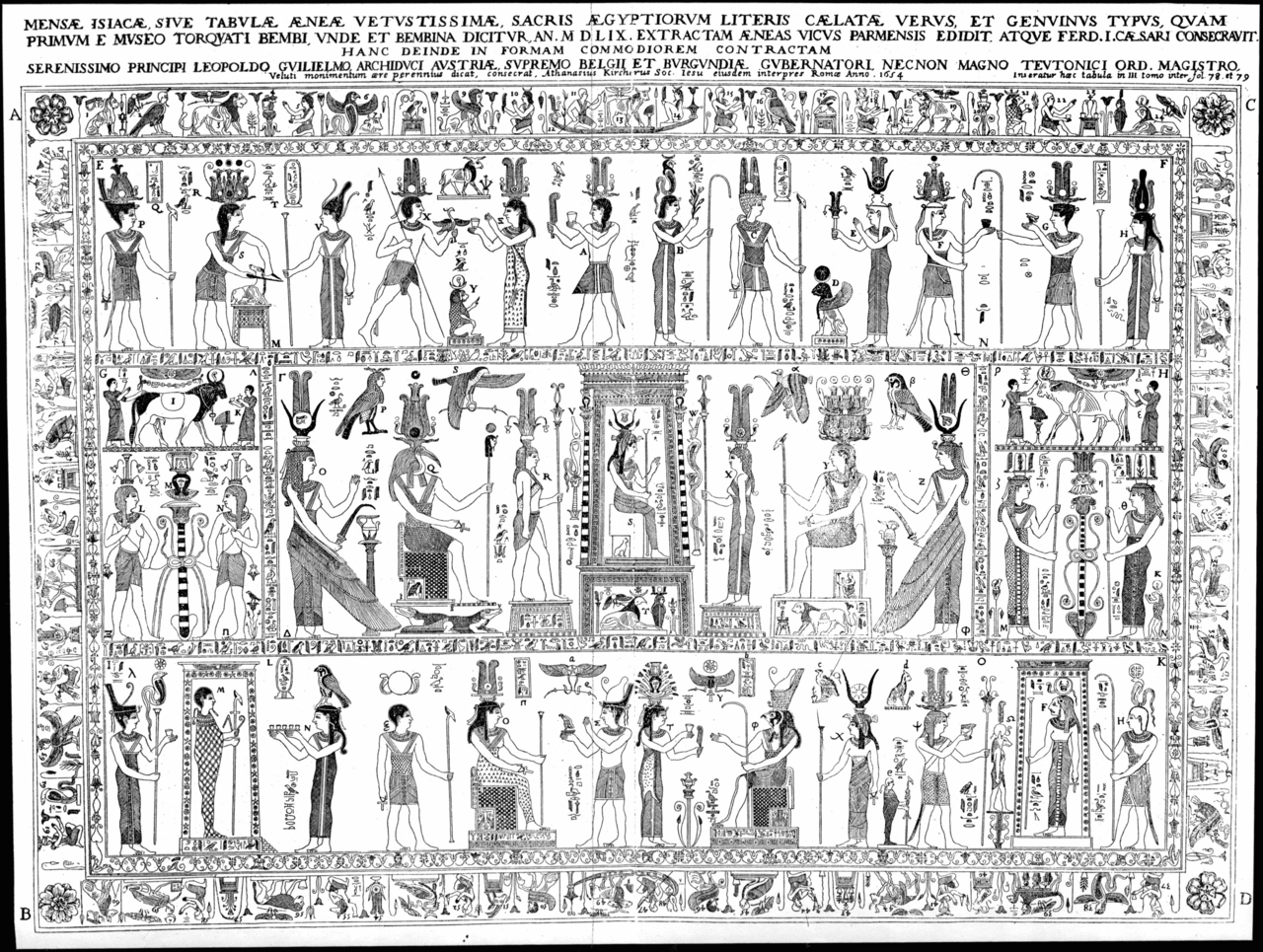
Isis Unveiled: A Master-Key to the Mysteries of Ancient and Modern Science and Theology
H. P. Blavatsky’s monumental two-volume comparative synthesis of Egyptian, Hermetic, Chaldean, and Hindu cosmogonies and ancient mystery traditions.