Through a philosophical analysis of these figures and symbols and their interactions, we will uncover the underlying themes of transformation, substance, and the blurring of boundaries.
The Alchemical Marriage of Royal Bodies and Kettle-Like Receptacle
The enigmatic relationship between the Royal Bodies and the Kettle-Like Receptacle. The Royal Bodies, as the primary substance, undergo a transformative process within the confines of the kettle-like vessel. This process is not merely a physical alteration but a metaphysical one, where the very essence of the Royal Bodies is dissolved and reconstituted.
The Kettle-Like Receptacle serves as a liminal space, where the boundaries between solid and liquid, self and other, are subverted. The receptacle's role is not merely passive, but an active participant in the transformative process. It is the catalyst that facilitates the dissolution of the Royal Bodies, allowing them to transcend their former state.
This relationship raises fundamental questions about the nature of substance and its relationship to form. The Royal Bodies, once a distinct and cohesive entity, are now reduced to a liquid state, their individuality subsumed by the fluid dynamics of the receptacle. This transformation challenges our conventional understanding of substance as a fixed and essential category.
The Fountain-Like Contrivance: A Symbol of Transformation
The kettle-like receptacle is situated within a larger contrivance, described as fountain-like. This configuration suggests a symbolic connection to the alchemical concept of solve et coagula, or dissolve and coagulate. The fountain-like contrivance may represent a self-sustaining cycle of transformation, where the Royal Bodies are continually dissolved and reconstituted, their essence distilled and refined.
In this context, the Kettle-Like Receptacle can be seen as a microcosm of the larger contrivance, a localized expression of the transformative forces at play. The receptacle's ability to dissolve the Royal Bodies speaks to the capacity for transformation and renewal, where the old is broken down to make way for the new.
Bibliographia & Fontes
Primary Source Books Used in This Article
The doctrines, historical citations, and symbolic correspondences synthesized in this article are drawn from the following primary works and chapters:
- I.Manly P. Hall, The Secret Teachings of All Ages1928
An Encyclopedic Outline of Masonic, Hermetic, Qabbalistic and Rosicrucian Symbolical Philosophy
Chapters / Sections Consulted:Ch. “The Chemical Marriage of Christian Rosenkreutz”
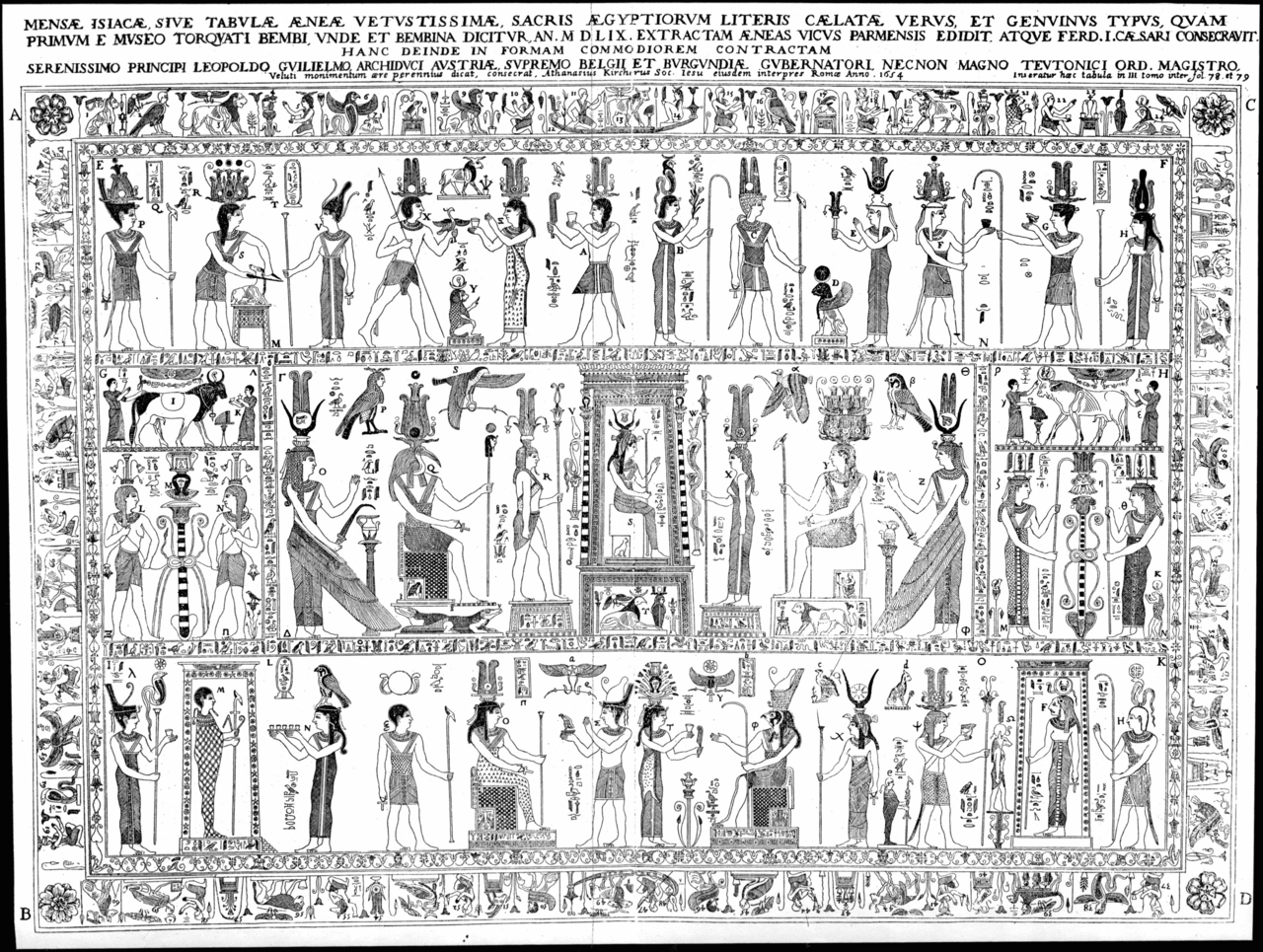
Isis Unveiled: A Master-Key to the Mysteries of Ancient and Modern Science and Theology
H. P. Blavatsky’s monumental two-volume comparative synthesis of Egyptian, Hermetic, Chaldean, and Hindu cosmogonies and ancient mystery traditions.