By exploring the sympathies among these principles such as Mythology, Daemon, Socrates, and various elemental spirits, we uncover a deeper understanding of the divine, wisdom, and the human condition. This synthesis reveals a network of ideas that traverse the boundaries of mythology, philosophy, and spirituality, offering insights into the nature of reality and our place within it.
Mythology and the Divine
Mythology, as a fundamental component of ancient cultures, serves as a gateway to understanding the human experience and the divine. The use of mythological symbols, such as those found in Oriental myths, playing cards, and tarot, demonstrates the profound impact of these narratives on human culture and spirituality. The concept of Daemon, as described by Plato, further solidifies the connection between the human and divine realms, highlighting the role of a guiding spiritual entity in the pursuit of wisdom and knowledge.
Socrates and the Daemon: A Paradigm of Divine Guidance
The relationship between Socrates and his Daemon is a cornerstone of the philosophical and mythological tradition. This inner voice, described by Plato, serves as a constant guide, offering Socrates intellectual insight and moral guidance. The Daemon's divine nature is a recurring theme, demonstrating the importance of listening to one's inner voice and understanding the role of spiritual advisors in the quest for wisdom and truth. This concept is echoed in the works of Apuleius and Thomas Taylor, who reference Socrates and his Daemon in different contexts, yet maintain the core of Socrates' philosophical significance.
Elemental Spirits and the Natural World
The elemental spirits, such as Faeliencea, Galefa, Gnomes, and Sirena, are integral to the mythological concept of nature spirits. These beings embody the essence of their respective elements, interacting with the world and its inhabitants in mystical and often benevolent ways. The concept of Ethr (ether) holds a central place in distinguishing elementals from human spirits, providing a comprehensive understanding of their nature and properties. This spiritual essence, described by Paracelsus, sets elementals apart from human spirits, highlighting their unique characteristics and abilities.
The Synthesis: Unveiling the Esoteric Tapestry
The Daemon, as a guiding spiritual entity, serves as a bridge between the human and divine realms, affirming the role of inner wisdom and divine guidance. The elemental spirits, with their unique characteristics and abilities, demonstrate the sympathy of the natural world and the human experience.
This synthesis offers a profound understanding of the esoteric concepts within this esoteric current, revealing a rich body of philosophical and mythological ideas that continue to inspire and guide us in our pursuit of wisdom and knowledge. By embracing the complexities of this esoteric landscape, we may uncover new insights into the human condition and our place within the vast expanse of the universe.
Bibliographia & Fontes
Primary Source Books Used in This Article
The doctrines, historical citations, and symbolic correspondences synthesized in this article are drawn from the following primary works and chapters:
- I.Manly P. Hall, The Secret Teachings of All Ages1928
An Encyclopedic Outline of Masonic, Hermetic, Qabbalistic and Rosicrucian Symbolical Philosophy
Chapters / Sections Consulted:Ch. “The Elements and Their Inhabitants” · Ch. “An Analysis of Tarot Cards”
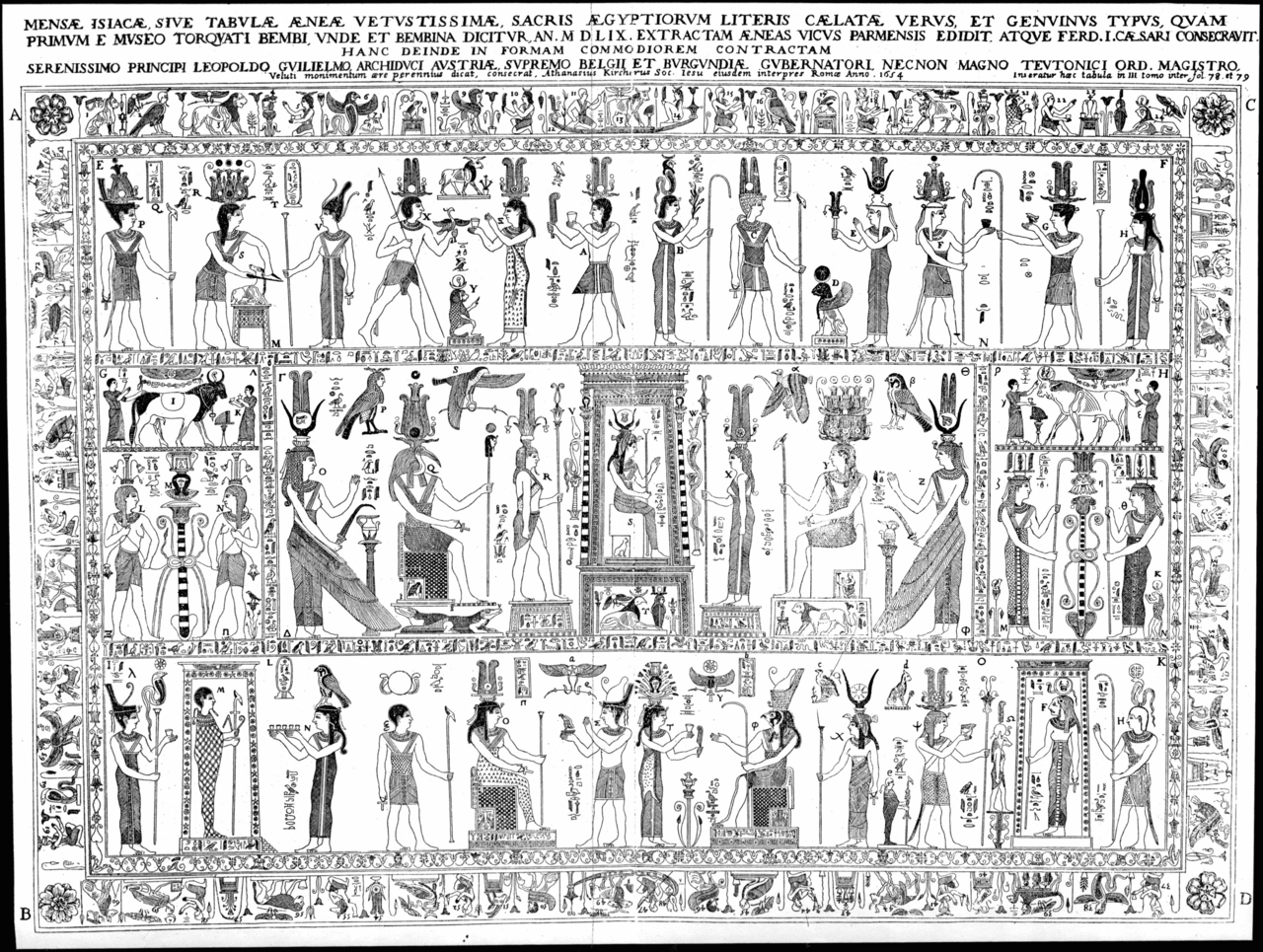
Isis Unveiled: A Master-Key to the Mysteries of Ancient and Modern Science and Theology
H. P. Blavatsky’s monumental two-volume comparative synthesis of Egyptian, Hermetic, Chaldean, and Hindu cosmogonies and ancient mystery traditions.