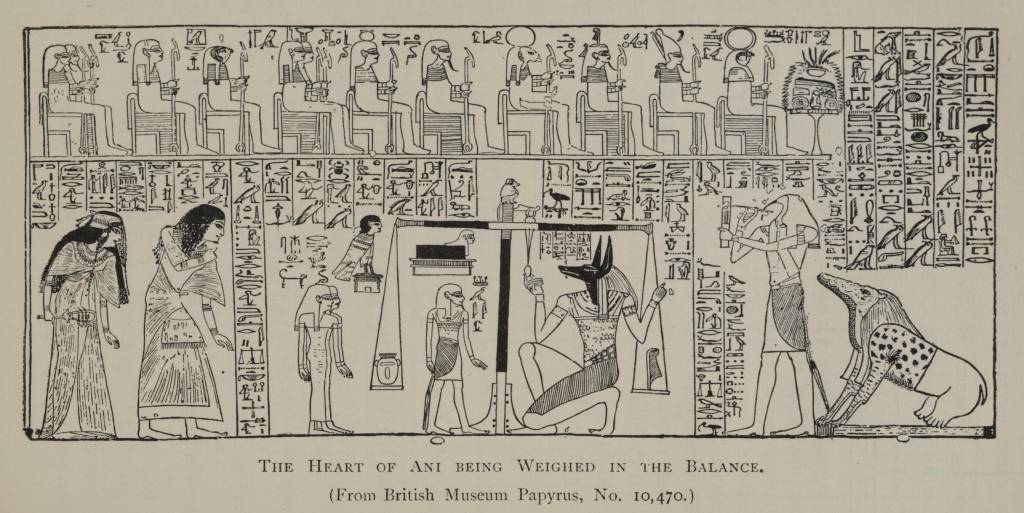
In this essay, we examine the philosophical underpinnings of this hermetic lineage, exploring the intricate relationships between various esoteric concepts, including Justice, Renunciation, Charity, Science and Wealth, Spiritual Justice, Mystical Death, and Tolerance. Through a careful examination of these figures and symbols and their connections, we reveal a rich body of ideas that demonstrate the importance of balance, compassion, and selflessness in achieving wisdom and harmony.
Historical & Symbolic Context
Central to this hermetic lineage is the concept of Justice, personified as a female figure in tarot and mythological traditions. As a cardinal virtue, Justice is deeply rooted in various spiritual and occult practices, including the Rosicrucian order, where it is upheld through a love for justice without self-righteousness or judgment of others' flaws. This principle is symbolically represented in the 13th Tarot card, reflecting the pursuit of fairness and truth.
Justice is closely tied to the concept of Renunciation, which involves giving up one's material interests for spiritual or moral reasons. Both concepts embody significant moral values and actions, highlighting the idea that acts of renunciation can be seen as a form of charitable action. This relationship attests to the necessity of selflessness and the willingness to sacrifice personal benefits or advantages for the greater good.
Charity, another key concept, is deeply rooted in altruism and essential for belief and the spiritual realm. Often symbolized through allegorical figures, it is portrayed as a generous and compassionate gesture, as depicted by an image in Le Monde. Charity allows for the material sacrifice and welfare of others, extending to both social and personal contexts.
The interplay between Science and Wealth is also noteworthy, as both concepts are interrelated and facilitate each other's growth. This reciprocal relationship underscores how economic prosperity can drive investments in research and development, enhance technological innovations, and support educational and infrastructure improvements.
Spiritual Justice, a mysterious order of Providence, is distinguished from the moral principle of the High Priestess. This concept is related to Mystical Death, which represents a change in form, rather than natural death. The Mystic Rose, a symbol of life within death, is central to the symbolism of mystical death.
Eliphas Lévi, an occultist, is associated with the Justice card, which is based on his interpretations. Justice is also linked to Tolerance, a key virtue in the Rosicrucian tradition, which embodies the ability to suspend judgment and recognize the inherent value and benefits in all situations and perspectives.
Through these relationships, we see a network of ideas that emphasize the importance of balance, compassion, and selflessness. Justice, Renunciation, and Charity are all interconnected, highlighting the need for individuals to cultivate a deep sense of moral responsibility and commitment to the greater good. The interplay between Science and Wealth attests to the necessity of economic prosperity in driving growth and innovation.
The Justice tradition presents a rich philosophical landscape that invites individuals to explore the intricacies of virtue, morality, and spirituality.
Bibliographia & Fontes
Primary Source Books Used in This Article
The doctrines, historical citations, and symbolic correspondences synthesized in this article are drawn from the following primary works and chapters:
- I.Franz Hartmann, In the Pronaos of the Temple of Wisdom / Philosophy of the Rosicrucians and Alchemists1890
Containing the History of the True and the False Rosicrucians and the Principles of Alchemy
- II.Manly P. Hall, The Secret Teachings of All Ages1928
An Encyclopedic Outline of Masonic, Hermetic, Qabbalistic and Rosicrucian Symbolical Philosophy
Chapters / Sections Consulted:Ch. “An Analysis of Tarot Cards” - III.Arthur Edward Waite, The Pictorial Key to the Tarot1910
Being Fragments of a Secret Tradition under the Veil of Divination
- IV.Éliphas Lévi, Transcendental Magic: Its Doctrine and Ritual (Dogme et Rituel de la Haute Magie)1856 / 1896 trans.
Translated and Annotated by A. E. Waite
Chapters / Sections Consulted:Part I: The Doctrine of Transcendental Magic
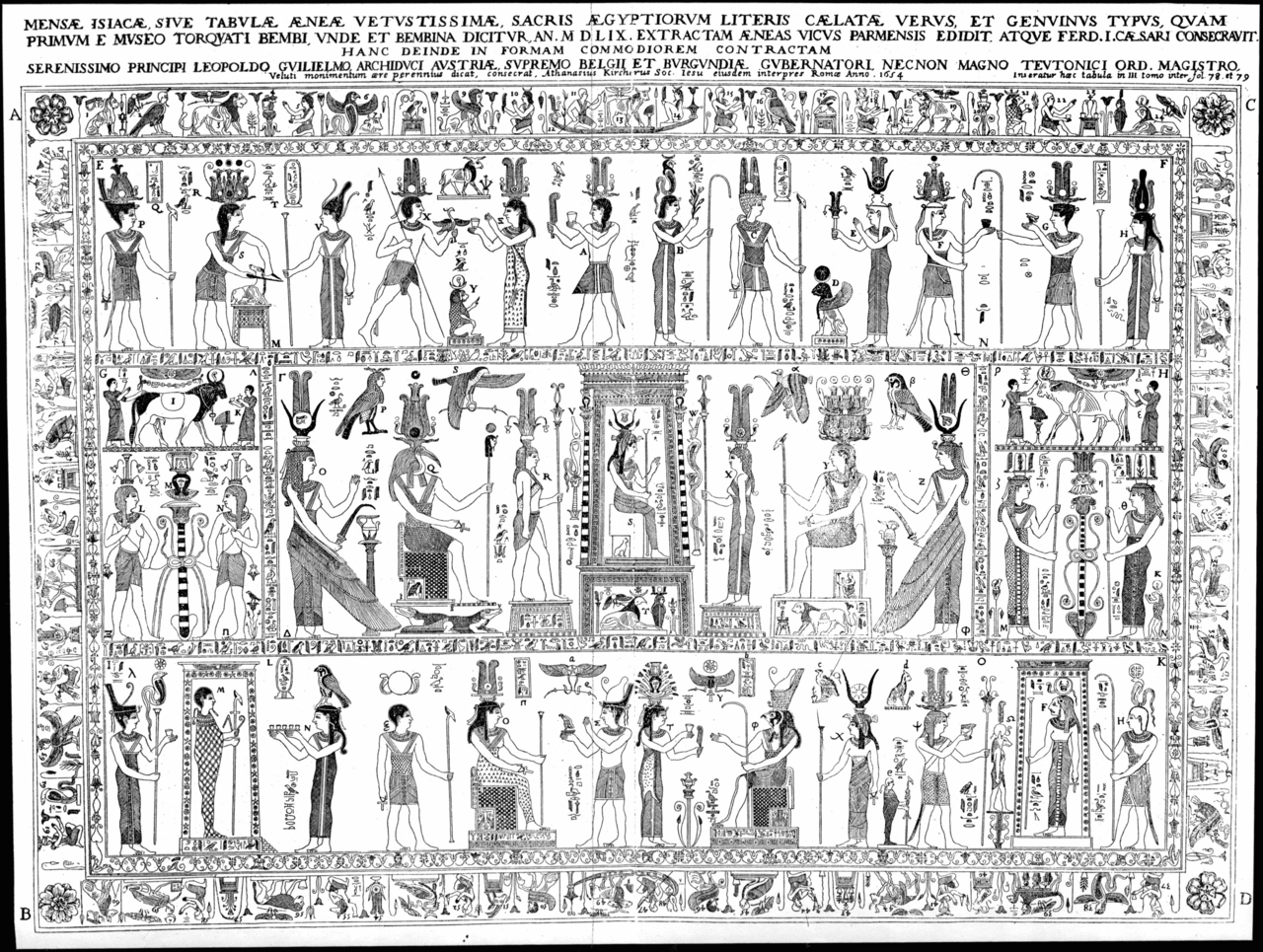
Isis Unveiled: A Master-Key to the Mysteries of Ancient and Modern Science and Theology
H. P. Blavatsky’s monumental two-volume comparative synthesis of Egyptian, Hermetic, Chaldean, and Hindu cosmogonies and ancient mystery traditions.