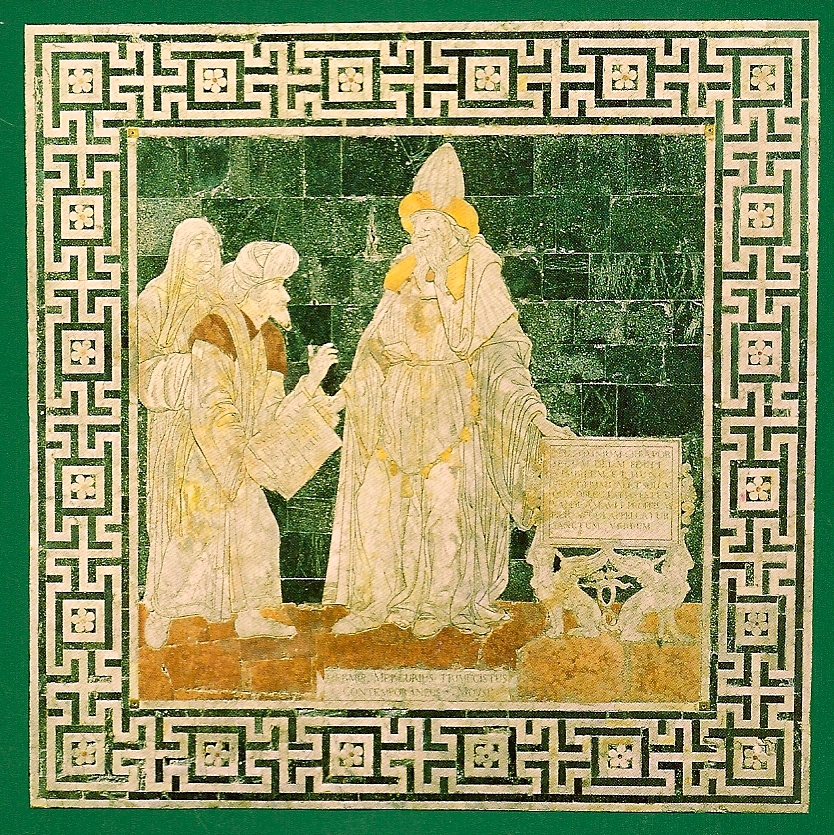
We explore how Idealism seeks to supplant physicality with abstract spiritual concepts, its connection to Plato's Allegory of the Cave, and the intersections between Manichæism, Pagan Thought, and emerging Christian doctrine.
Findings
Idealism, as a philosophical school of thought, posits that reality is grounded in mental or psychical constructs, emphasizing the role of mind and thought over material existence. This perspective is rooted in the idea that the universe is superphysical, existing beyond the realm of physicality. Notable philosophers, such as Immanuel Kant, have engaged with Idealism, contrasting it with their own frameworks. Kant's critique of Idealism lies in his assertion that the mind is limited in its understanding of the noumenal realm, perceiving reality through mental structures rather than grasping the true nature of things-in-themselves.
In contrast, Pagan Thought represents a belief system that emphasizes physical or concrete bodies of doctrine over spiritual ones. Idealism seeks to replace this physicality with more abstract spiritual concepts, highlighting the tension between these two philosophical perspectives. This dichotomy is reflective of the broader philosophical discourse, where Idealism consistently places a greater emphasis on the role of mind and thought.
Manichæism, a dualistic system of Persian origin, teaches an eternal conflict between Good and Evil. This philosophical system represents an attempt to merge philosophical and religious elements from both Pagan Thought and emerging Christian doctrine. The intersection of Manichæism with Pagan Thought and Christian doctrine highlights the complexities of philosophical and religious syncretism.
The Allegory of the Cave, a central part of Plato's philosophy, is a key illustration of the contrast between physical reality and ideal forms. This allegory is deeply connected to the idealistic tradition, which emphasizes the existence of a higher, eternal realm of abstract Forms or Ideas. The Allegory of the Cave serves as a powerful metaphor for the idealistic notion that the physical world is mere appearance, while true reality lies within the domain of abstract Forms.
The philosophical concepts and relationships within this esoteric current reveal a rich body of ideas and perspectives. Idealism, with its emphasis on mental or psychical constructs, is juxtaposed with Pagan Thought, which prioritizes physical or concrete bodies of doctrine. Manichæism, with its dualistic system, represents an attempt to merge philosophical and religious elements from diverse traditions. The Allegory of the Cave, as a key illustration of the idealistic tradition, serves as a powerful reminder of the ongoing philosophical debates surrounding the nature of reality and the role of mind and thought.
Bibliographia & Fontes
Primary Source Books Used in This Article
The doctrines, historical citations, and symbolic correspondences synthesized in this article are drawn from the following primary works and chapters:
- I.Manly P. Hall, The Secret Teachings of All Ages1928
An Encyclopedic Outline of Masonic, Hermetic, Qabbalistic and Rosicrucian Symbolical Philosophy
Chapters / Sections Consulted:Ch. “Introduction to Symbolical Philosophy”
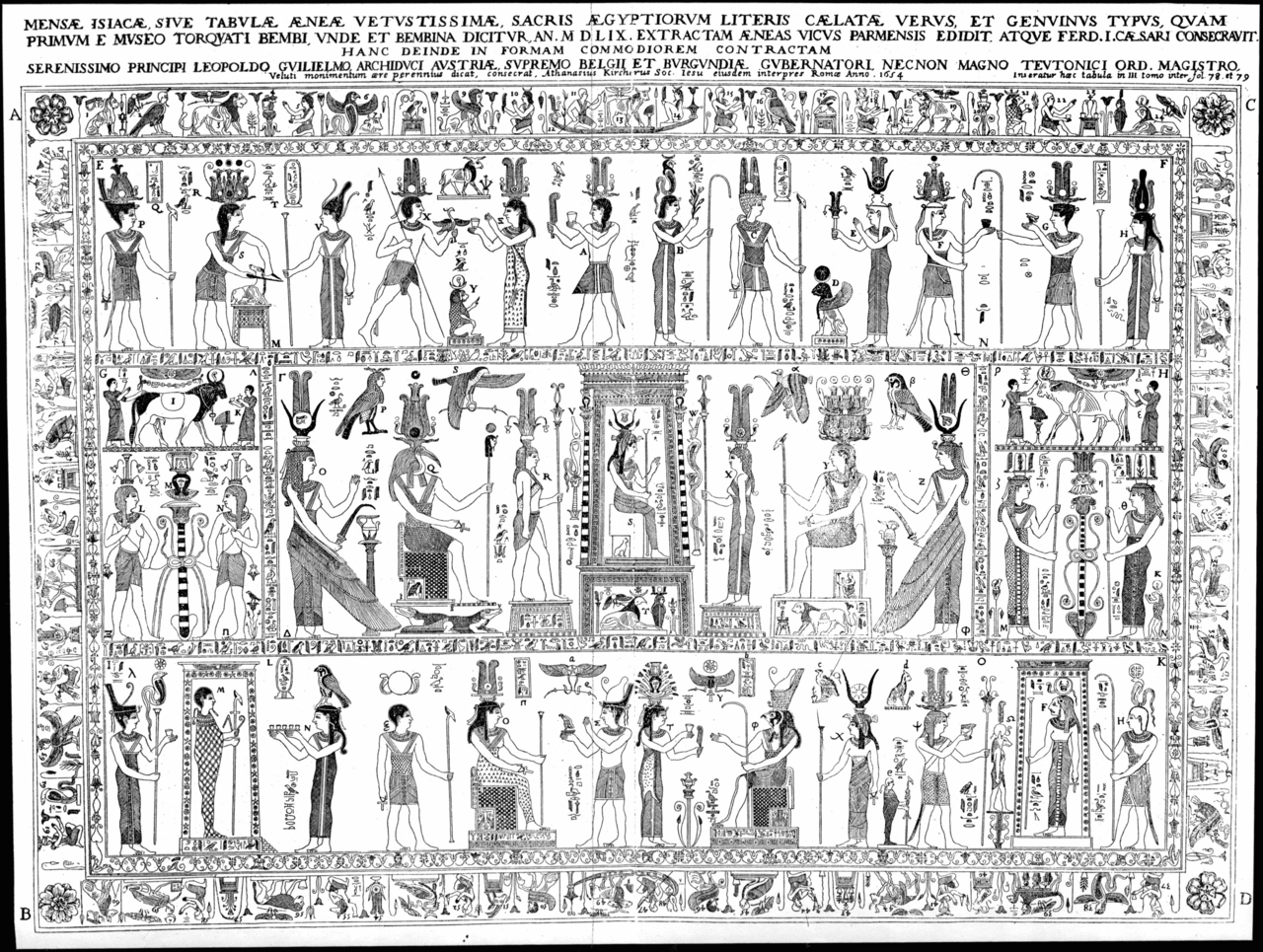
Isis Unveiled: A Master-Key to the Mysteries of Ancient and Modern Science and Theology
H. P. Blavatsky’s monumental two-volume comparative synthesis of Egyptian, Hermetic, Chaldean, and Hindu cosmogonies and ancient mystery traditions.