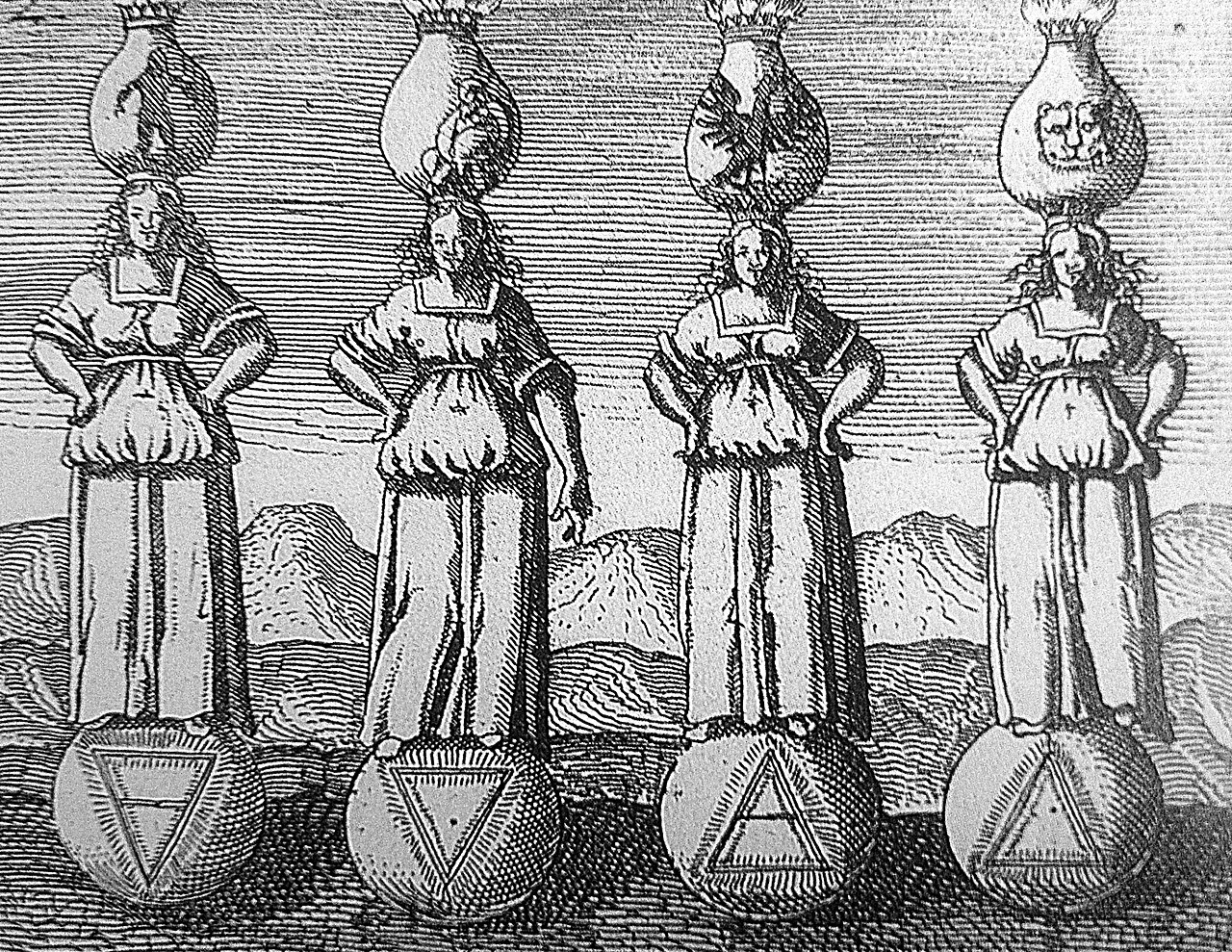
The community of concepts known as the Elementals tradition presents a hierarchical structure of spiritual realms, where higher planes are inhabited by benevolent spirits and lower planes are populated by malevolent entities.
The Sacred Planes: A Stratified Spiritual Realm
The concept of Sacred Planes implies a hierarchical structure of spiritual realms, with higher planes being inhabited by good spirits and lower planes being populated by evil spirits and demons. This stratification suggests a moral and ontological distinction between the various planes, with the higher planes representing a realm of goodness and light, and the lower planes embodying darkness and malevolence.
The Elementals: Intermediaries between Planes
Elementals, a term originating from Paracelsus, refer to a variety of elemental spirits and beings, including sylphs, salamanders, and gnomes. These entities can enter into contracts or pacts with magicians, either temporarily or permanently, under conditions stipulated by the magician. The ability of Elementals to form pacts with magicians implies a level of agency and autonomy, allowing them to navigate the spiritual realm and interact with human practitioners.
The Relationship between Elementals and Sacred Planes
The connection between Elementals and Sacred Planes reveals a complex dynamic. Elementals are said to inhabit the lower planes, which are characterized by darkness and malevolence. This association suggests that Elementals, despite their ability to form pacts with magicians, are inherently tied to the lower realms and the evil spirits that inhabit them. However, their capacity for agency and autonomy implies that they may not be entirely bound by the moral and ontological strictures of the lower planes.
Implications of the Relationship
The relationship between Elementals and Sacred Planes raises questions about the nature of spiritual entities and their place within the hierarchical structure of the spiritual realm. If Elementals can inhabit the lower planes while still maintaining a level of agency and autonomy, do they occupy a liminal space between the higher and lower realms? What are the implications of their ability to form pacts with magicians, and how do these interactions influence the balance of power within the spiritual realm?
Bibliographia & Fontes
Primary Source Books Used in This Article
The doctrines, historical citations, and symbolic correspondences synthesized in this article are drawn from the following primary works and chapters:
- I.Manly P. Hall, The Secret Teachings of All Ages1928
An Encyclopedic Outline of Masonic, Hermetic, Qabbalistic and Rosicrucian Symbolical Philosophy
Chapters / Sections Consulted:Ch. “Ceremonial Magic and Sorcery”
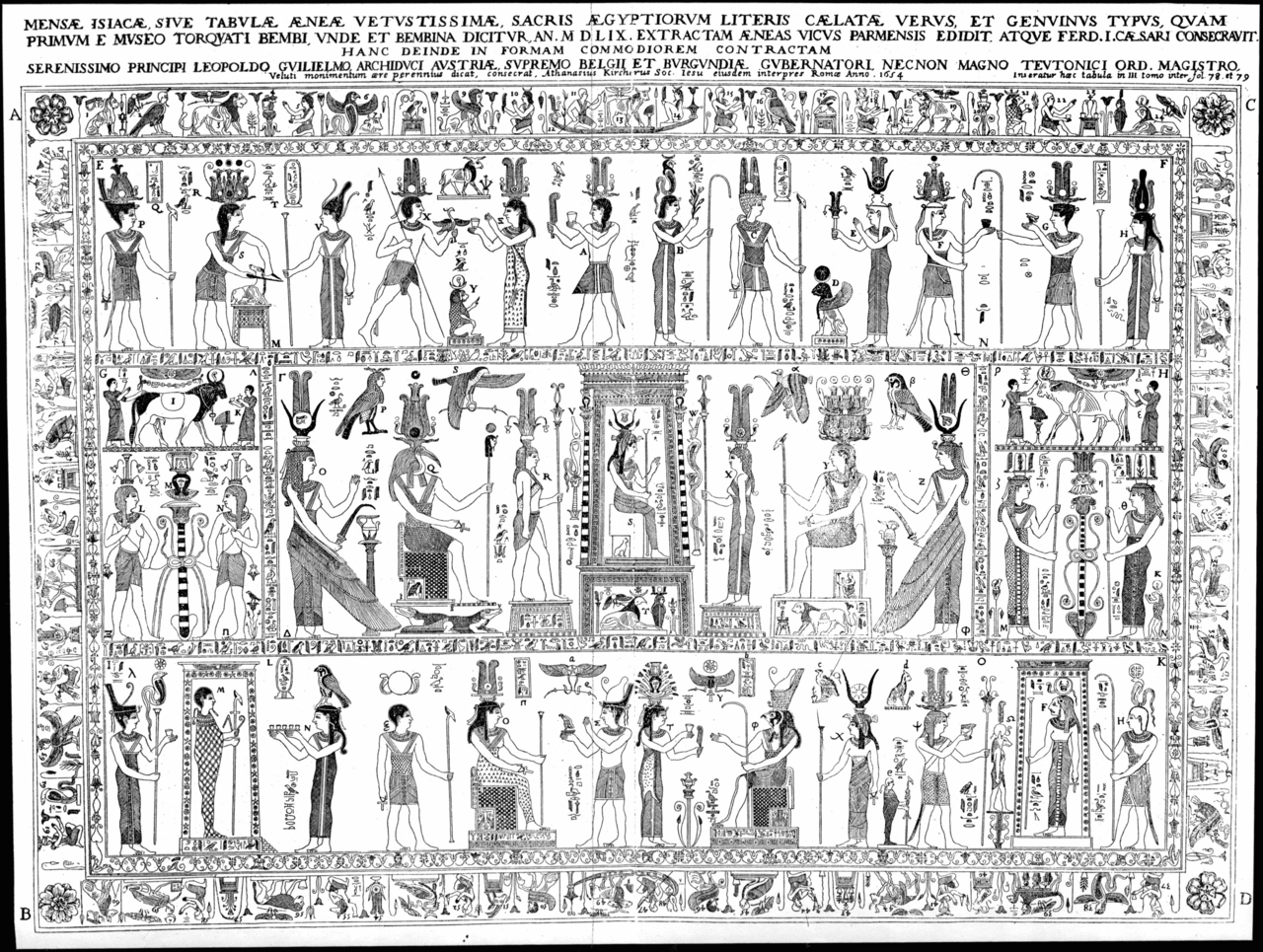
Isis Unveiled: A Master-Key to the Mysteries of Ancient and Modern Science and Theology
H. P. Blavatsky’s monumental two-volume comparative synthesis of Egyptian, Hermetic, Chaldean, and Hindu cosmogonies and ancient mystery traditions.