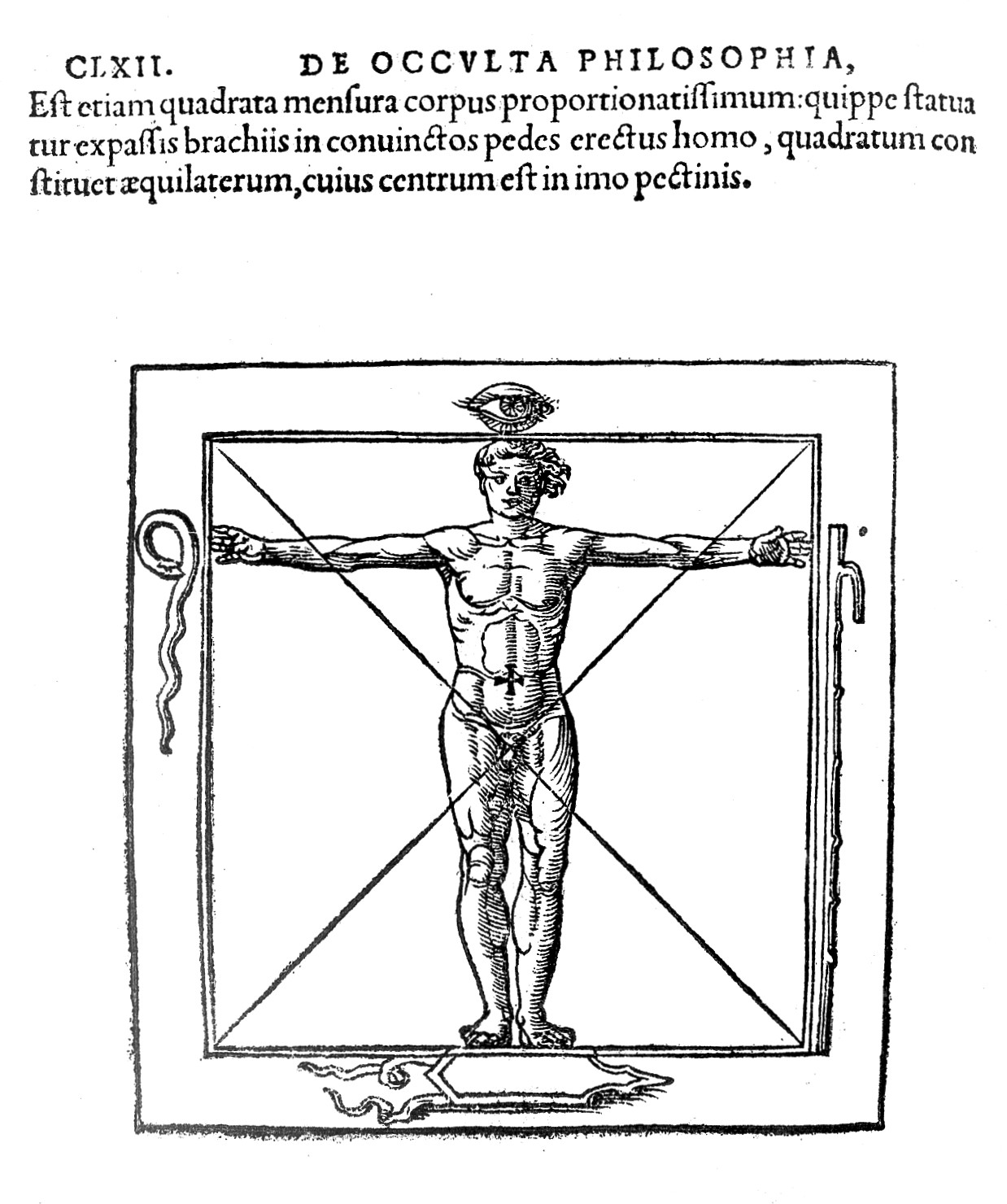
Through a detailed examination of the relationships between these figures and symbols, this essay reveals a profound understanding of the sympathy of the divine and human realms, highlighting the symbolic significance of the six-pointed star in bridging the spiritual and material universes.
The Star of David and Star of Zion: Symbolic Representations of the Divine
The Star of David and Star of Zion are two entities that, despite their distinct designations, share a common symbolic representation: the six-pointed star. This star, officially recognized as the Shield of David, has become an iconic symbol of Jewish identity and is prominently featured in the Israeli flag. The Star of Zion, while sometimes used interchangeably with the Star of David, is a term that may be employed more broadly to describe the six-pointed star representation.
Philosophically, the Star of David and Star of Zion represent the celestial or divine nature of the Jewish people or their homeland. The six-pointed star symbolizes the spiritual and material universes linked together in the constitution of the human creature. This symbolism affirms that the human experience is inextricably linked with the divine, highlighting the sympathy of the two realms.
The Divine and Human Realms: Heavenly Substances
The relationship between the Star of David, Star of Zion, and Heavenly Substances reveals a profound understanding of the sympathy of the divine and human realms. Celestial creatures, which manifest in ethereal substances, are more suited for their form than human forms. This suggests that the spiritual realm is comprised of substances that are distinct from, yet connected to, the material universe.
The six-pointed star, symbolized by the Star of David and Star of Zion, represents the linking of the spiritual and material universes. This linking is not merely a symbolic representation, but a philosophical understanding of the sympathy of the two realms. The Heavenly Substances, which manifest in ethereal forms, highlight the notion that the spiritual realm is an integral part of the human experience.
Bibliographia & Fontes
Primary Source Books Used in This Article
The doctrines, historical citations, and symbolic correspondences synthesized in this article are drawn from the following primary works and chapters:
- I.Manly P. Hall, The Secret Teachings of All Ages1928
An Encyclopedic Outline of Masonic, Hermetic, Qabbalistic and Rosicrucian Symbolical Philosophy
Chapters / Sections Consulted:Ch. “The Sun, a Universal Deity”
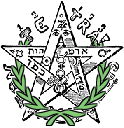
Transcendental Magic: Its Doctrine and Ritual (Éliphas Lévi)
The cornerstone of modern occultism and ceremonial magic, expounding the equilibrium of the Astral Light, the Pentagram, and the correspondence of the Twenty-Two Arcana.