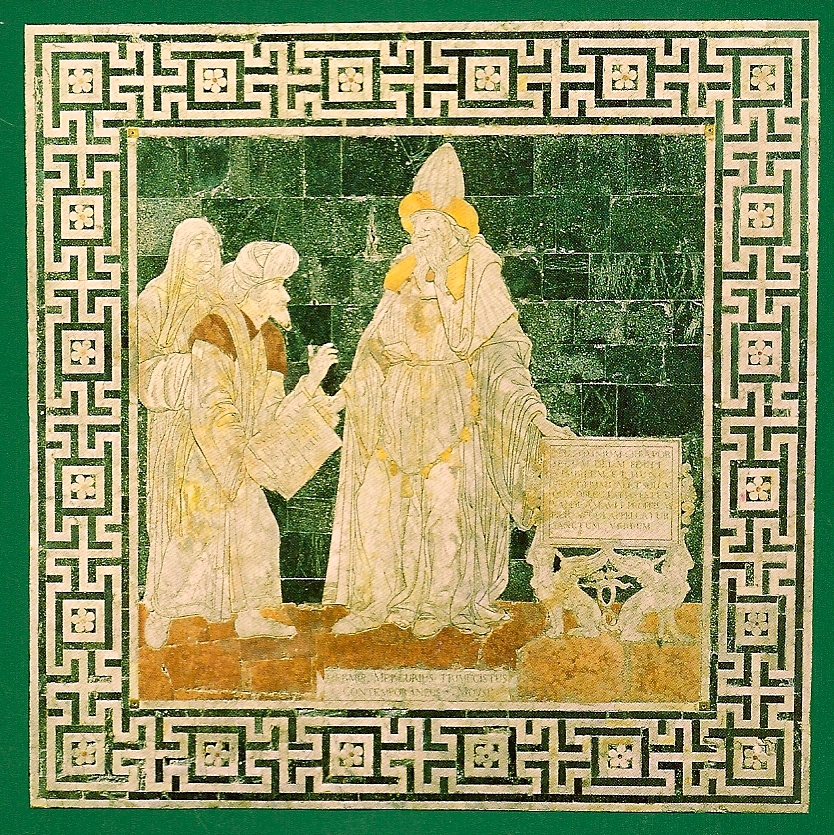
Through a detailed analysis of these figures and symbols and their connections, we will trace the complex dynamics of spiritual energy, its dual nature, and the role of divine beings in harnessing and wielding this power.
The Nexus of Spiritual Power and Divine Beings
Central to this hermetic lineage is the concept of Spiritual Power, a manifold energy derived from beings on the Spiritual Planes. This force can be utilized for either noble or nefarious intentions, as dictated by the Principle of Polarity. The dual nature of Spiritual Power is reflected in its potential applications, demonstrating the importance of intention and responsibility in harnessing this energy.
Medea, a legendary witch associated with magical poisons, serves as a conduit to the realm of Spiritual Power. Her connection to Hermes Trismegistus, a figure renowned for his supernatural knowledge, highlights the significance of mystical understanding in navigating the complexities of Spiritual Power. This relationship suggests that Medea's magical prowess is, in part, derived from her ability to tap into the knowledge and energy of Spiritual Beings.
The entity of Gods represents the ultimate manifestation of Spiritual Power, embodying the divine and the sacred. As beings of unprecedented advanced intelligence, power, and being, Gods are revered and honored in various religious contexts. Their role in facilitating communication with a higher power through sound, rituals, and hymns demonstrates the significance of spiritual practice in connecting with the divine.
The relationship between Gods and Spiritual Power is one of mutual influence and interdependence. Gods, in their highest form, are the embodiment of Spiritual Power, while Spiritual Power is the energy that underlies the divine authority of Gods. This interplay highlights the complex dynamics of spiritual energy, where the divine and the sacred are inextricably linked with the human experience.
The Implications of Polarity in Spiritual Power
The Principle of Polarity, which governs the dual nature of Spiritual Power, raises essential questions about the responsibility and ethics of harnessing this energy. The fact that Spiritual Power can be utilized for either good or evil intentions attests to the necessity of intention and moral agency in spiritual practice. This polarity also highlights the need for discernment and critical evaluation in navigating the complexities of spiritual energy.
The philosophical landscape of this hermetic lineage reveals a complex interplay between Medea, Spiritual Power, and Gods. Through their relationships and connections, we gain insight into the manifold nature of spiritual energy, its dual potential, and the significance of divine beings in harnessing and wielding this power. This analysis attests to the necessity of responsible and informed spiritual practice, one that acknowledges the complexities and polarities of Spiritual Power.
Bibliographia & Fontes
Primary Source Books Used in This Article
The doctrines, historical citations, and symbolic correspondences synthesized in this article are drawn from the following primary works and chapters:
- I.The Three Initiates, The Kybalion: A Study of the Hermetic Philosophy of Ancient Egypt and Greece1908
The Seven Hermetic Principles
Transcendental Magic: Its Doctrine and Ritual (Éliphas Lévi)
The cornerstone of modern occultism and ceremonial magic, expounding the equilibrium of the Astral Light, the Pentagram, and the correspondence of the Twenty-Two Arcana.