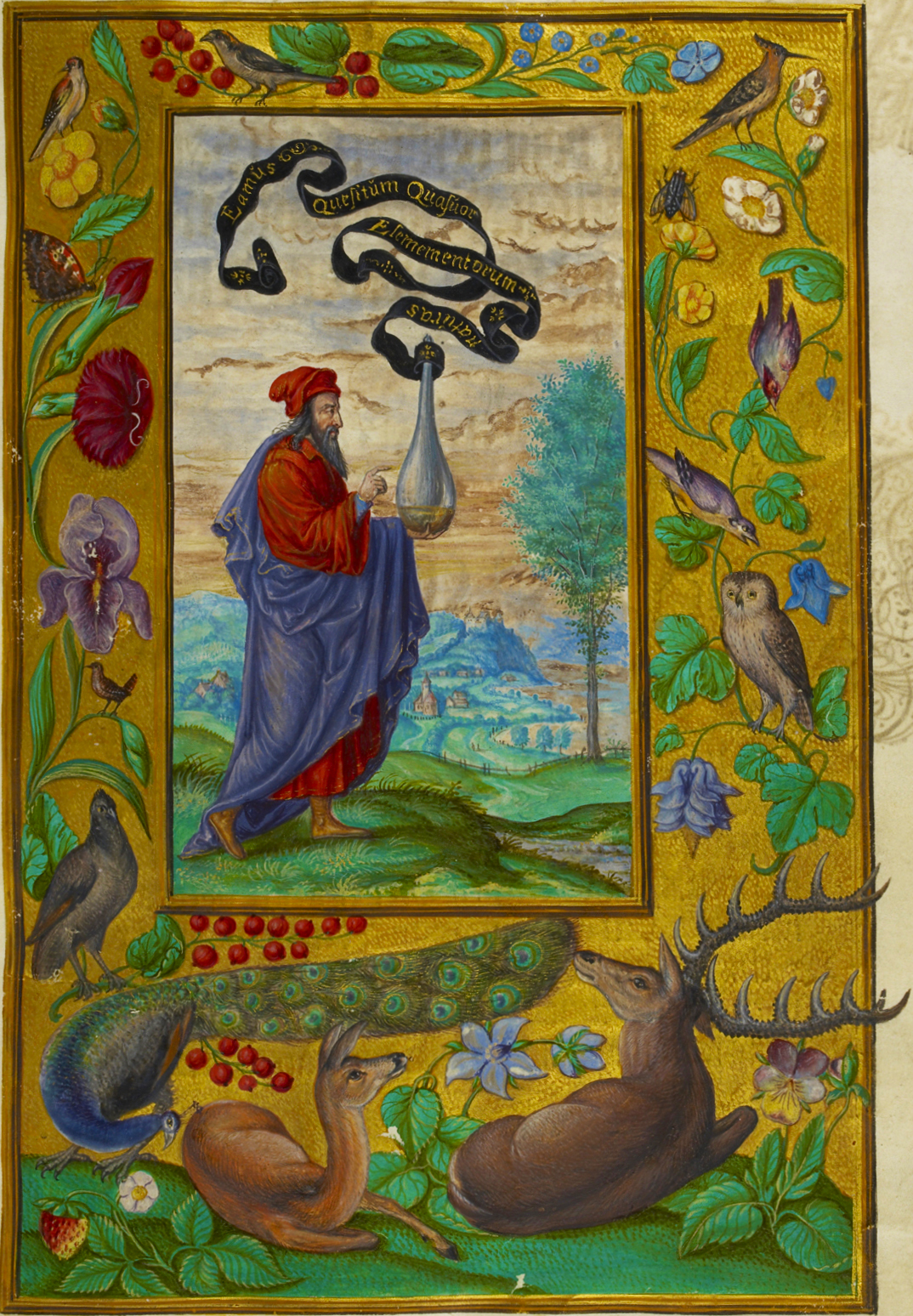
By analyzing the classical sources and relationships, we will trace the philosophical threads that weave together to form the fabric of the Great Work, a concept symbolizing universal analogies and dogmas. This synthesis will reveal the sympathy of Hermes with other key figures, rituals, and principles, ultimately shedding light on the mysteries of the Great Work.
The Hermes Enigma
Hermes, a manifold figure, embodies both historical and spiritual significance. As the author of occult tablets, his connection to Cashmala in the Samothracian Mysteries, and his status as the starting point of the Great Work, Hermes is a cornerstone of esoteric traditions and practices. His philosophical dogma serves as the bedrock of the philosophy and practice of those who inherit ancient wisdoms, influencing their worldview and methodological approaches.
Relationships
The relationships between Hermes and other entities reveal a complex network of influences and connections. Hermes is often invoked or associated with genies in magical practices, as he is a divine messenger. The Theban initiation rituals may involve Hermes, connecting the divine entity to the esoteric practices. Aeschylus's work may include references or annotations about Theban initiation rituals, drawing from his study of the city's esoteric practices. Enoch and Hermes are connected in the lineage of the Great Work's initiators, while Solomon's Key of Solomon is based on Hermes' teachings of magic and wisdom.
The Principle of Correspondence
The Principle of Correspondence, a fundamental Hermetic concept, illustrates the sympathy and hierarchical nature of the universe. This principle enables individuals to reason from the known to the unknown, facilitating a deeper understanding of the universe's intricate nature. Hermes' advocacy for this principle aligns with the report of reason and the teachings of the wise men about the mental creation of the universe.
The Divine Revelation
Poimandres, the Light of the World, revealed the Great Mystery to Hermes, instructing him to establish the Mysteries among men. The Vision of Poimandres, a divine revelation, is a key concept in understanding the path of the soul from darkness to Light. The spirit of the Divine Man, guided by Hermes, received this revelation, demonstrating the significance of Hermes in the transmission of divine knowledge.
The Great Work
The Great Work, a concept symbolizing universal analogies and dogmas, is a central theme in the classical sources and relationships. Hermes is the starting point of the Great Work, and his philosophical dogma serves as the foundation of the philosophy and practice of those who inherit ancient wisdoms. The Key of Solomon, based on Hermes' teachings, is a text and symbol used to gain magical and spiritual insights. The empowered songs in the Egyptian ceremonial processions, connected to Hermes, are part of the rituals derived from his teachings.
Bibliographia & Fontes
Primary Source Books Used in This Article
The doctrines, historical citations, and symbolic correspondences synthesized in this article are drawn from the following primary works and chapters:
- I.Manly P. Hall, The Secret Teachings of All Ages1928
An Encyclopedic Outline of Masonic, Hermetic, Qabbalistic and Rosicrucian Symbolical Philosophy
Chapters / Sections Consulted:Ch. “The Life and Teachings of Thoth Hermes Trismegistus” · Ch. “Hermetic Pharmacology, Chemistry, and Therapeutics” · Ch. “Freemasonic Symbolism” - II.Éliphas Lévi, Transcendental Magic: Its Doctrine and Ritual (Dogme et Rituel de la Haute Magie)1856 / 1896 trans.
Translated and Annotated by A. E. Waite
Chapters / Sections Consulted:Part II: The Ritual of Transcendental Magic · Part I: The Doctrine of Transcendental Magic - III.The Three Initiates, The Kybalion: A Study of the Hermetic Philosophy of Ancient Egypt and Greece1908
The Seven Hermetic Principles
- IV.Hermes Trismegistus (attr.), Corpus Hermeticum (The Divine Pymander)c. 2nd–3rd c.
Classical Primary Source Referenced in Text
Further Inquiry in This Cycle
Companion Studies & Disputations
Hermes & Principle Of Correspondence: Fabric of the Universe
Through a comprehensive analysis of the classical sources and relationships, this synthesis reveals the manifold nature of Hermes as a spiritual symbol…
Theban Initiation and the Esoteric Nexus
By examining the relationships between Aeschylus's work and the Theban initiation, we uncover a profound synthesis of esoteric teachings, literary…
Divine Man: The Embodiment of Divine Revelation
Through a philosophical analysis of these figures and symbols and their sympathy, we will uncover the underlying principles that govern their mystical…
Transcendental Magic: Its Doctrine and Ritual (Éliphas Lévi)
The cornerstone of modern occultism and ceremonial magic, expounding the equilibrium of the Astral Light, the Pentagram, and the correspondence of the Twenty-Two Arcana.