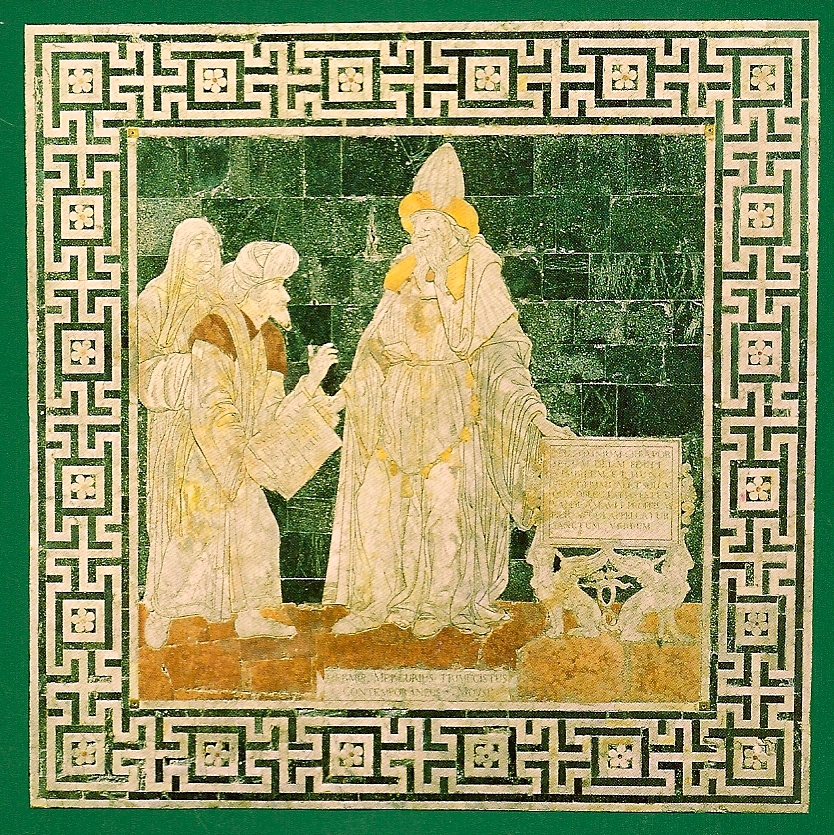
Through a critical analysis of the relationships between Hermes and the Divine Pymander, we will trace the core teachings and revelations attributed to the ancient philosopher and deity Hermes Trismegistus. By examining the interplay between these figures and symbols, we aim to distill the essence of Hermeticism and its significance in the history of Western esotericism.
The Divine Pymander: A Repository of Hermetic Wisdom
The Divine Pymander of Hermes Mercurius Trismegistus, a foundational text embodying the core Hermetic concepts and revelations. This work, also known as the "Corpus Hermeticum," is a pivotal document in the history of Western esotericism, containing the spiritual and philosophical insights attributed to Hermes Trismegistus. The Divine Pymander is not merely a collection of ideas but a living, breathing testament to the Hermetic cultus, which has shaped the trajectory of Western spirituality.
Hermes: The Divine Messenger
Hermes, the deity who revealed the "One Way," is inextricably linked to the Divine Pymander. According to the relationships outlined in the the Divine Pymander Of Hermes Mercurius Trismegistus tradition, Hermes received the Divine Pymander from Poimandres, which contains the wisdom that initiated his ministry and teachings. This revelation marked the beginning of Hermes' journey as a spiritual guide, and his subsequent teachings were rooted in the wisdom imparted to him through the Divine Pymander.
The Interplay between Hermes and the Divine Pymander
The relationship between Hermes and the Divine Pymander is one of reciprocal illumination. On one hand, the Divine Pymander contains the original Hermetic concepts and revelations, which serve as the foundation for Hermes' teachings. On the other hand, Hermes' reception of the Divine Pymander from Poimandres sets in motion his ministry, which in turn gives expression to the wisdom contained within the text.
This interplay highlights the dynamic nature of Hermeticism, where the divine and human spheres intersect. Hermes, as a divine messenger, serves as a conduit for the transmission of spiritual wisdom, while the Divine Pymander provides the framework for understanding and applying this wisdom.
Bibliographia & Fontes
Primary Source Books Used in This Article
The doctrines, historical citations, and symbolic correspondences synthesized in this article are drawn from the following primary works and chapters:
- I.Manly P. Hall, The Secret Teachings of All Ages1928
An Encyclopedic Outline of Masonic, Hermetic, Qabbalistic and Rosicrucian Symbolical Philosophy
Chapters / Sections Consulted:Ch. “The Life and Teachings of Thoth Hermes Trismegistus” - II.Hermes Trismegistus (attr.), Corpus Hermeticum (The Divine Pymander)c. 2nd–3rd c.
Classical Primary Source Referenced in Text
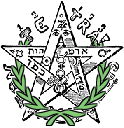
Transcendental Magic: Its Doctrine and Ritual (Éliphas Lévi)
The cornerstone of modern occultism and ceremonial magic, expounding the equilibrium of the Astral Light, the Pentagram, and the correspondence of the Twenty-Two Arcana.