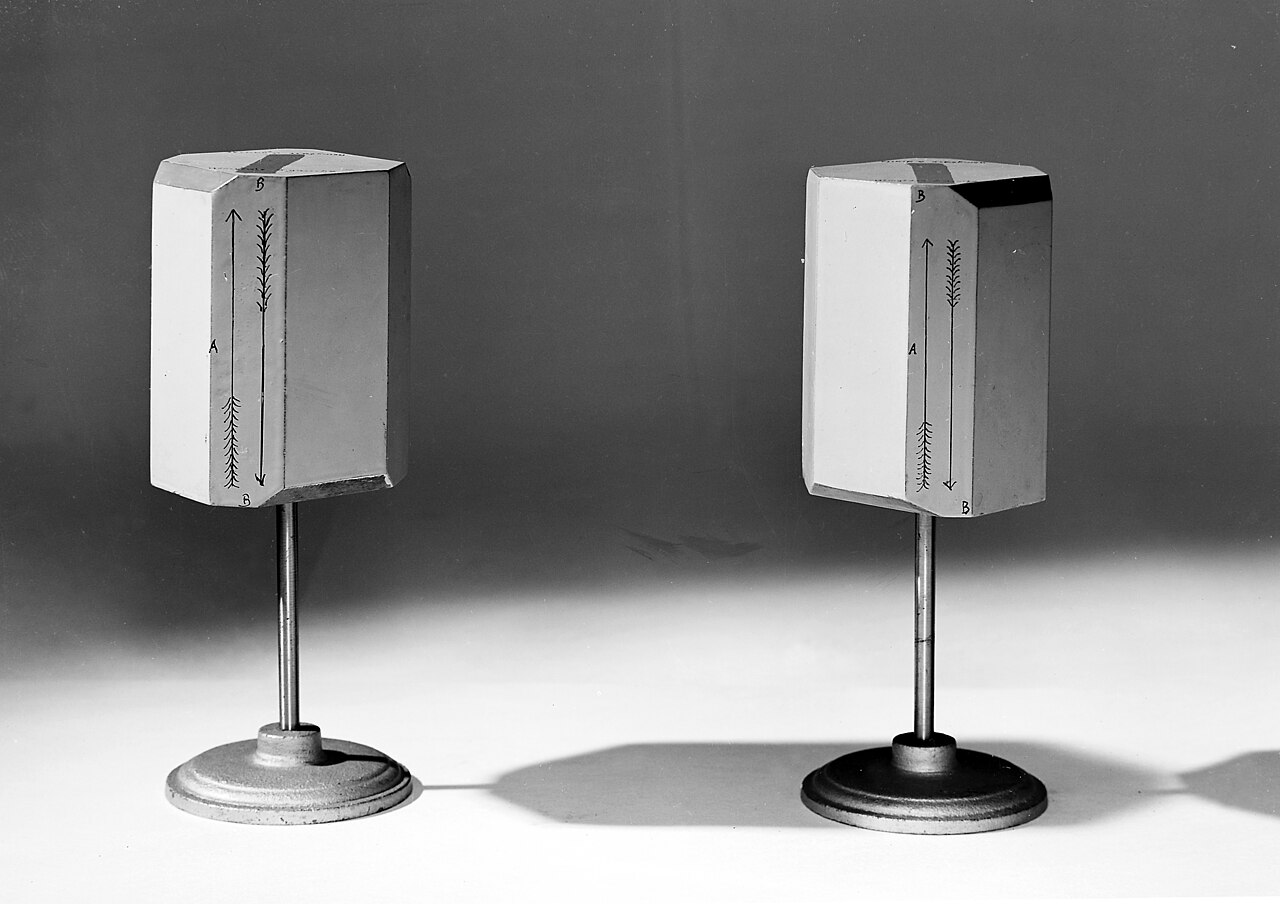
By examining the philosophical underpinnings of these figures and symbols and their connections, we reveal the fundamental principles governing the emergence of life and the composition of living substances.
The Primordial Substance: Protoplasm
Protoplasm, the first living substance, is characterized as a clear, structureless, jelly-like substance, akin to albumen or the white of an egg. This primordial substance serves as the foundation for all life, demonstrating the notion that life originates from a unified, undifferentiated state. The lack of structure and definition within Protoplasm implies a state of pure potentiality, where the boundaries between different forms and substances are yet to be established.
The Elemental Building Blocks
The four elements of Carbon, Hydrogen, Oxygen, and Nitrogen are revealed to be the constituent parts of Protoplasm, as well as being derived from the ancient elements. This indicates that these elements have been present since the dawn of life, serving as the fundamental building blocks for all living substances. The relationships between these elements and Protoplasm highlight the idea that life emerges from the interactions and combinations of these basic substances.
Relationships and Emergence
The relationships between the entities in the Protomplasm tradition reveal a web of connections that underpin the emergence of life. The derivation of Carbon, Hydrogen, Oxygen, and Nitrogen from the ancient elements, and their subsequent combination to form Protoplasm, illustrates the principle of emergence. This principle posits that complex systems arise from the interactions and organization of simpler components, rather than being predetermined by a priori structures or plans.
The Unity of Opposites
The relationships between Protoplasm and the four elements also reveal a deeper philosophical insight: the unity of opposites. Protoplasm, as a structureless substance, is contrasted with the structured elements of Carbon, Hydrogen, Oxygen, and Nitrogen. This contrast highlights the tension between the unified, undifferentiated state of Protoplasm and the differentiated, structured state of the elements. This tension is reconciled through the relationships between Protoplasm and the elements, demonstrating that the opposites are, in fact, complementary aspects of a unified whole.
Bibliographia & Fontes
Primary Source Books Used in This Article
The doctrines, historical citations, and symbolic correspondences synthesized in this article are drawn from the following primary works and chapters:
- I.Manly P. Hall, The Secret Teachings of All Ages1928
An Encyclopedic Outline of Masonic, Hermetic, Qabbalistic and Rosicrucian Symbolical Philosophy
Chapters / Sections Consulted:Ch. “The Elements and Their Inhabitants”
Transcendental Magic: Its Doctrine and Ritual (Éliphas Lévi)
The cornerstone of modern occultism and ceremonial magic, expounding the equilibrium of the Astral Light, the Pentagram, and the correspondence of the Twenty-Two Arcana.