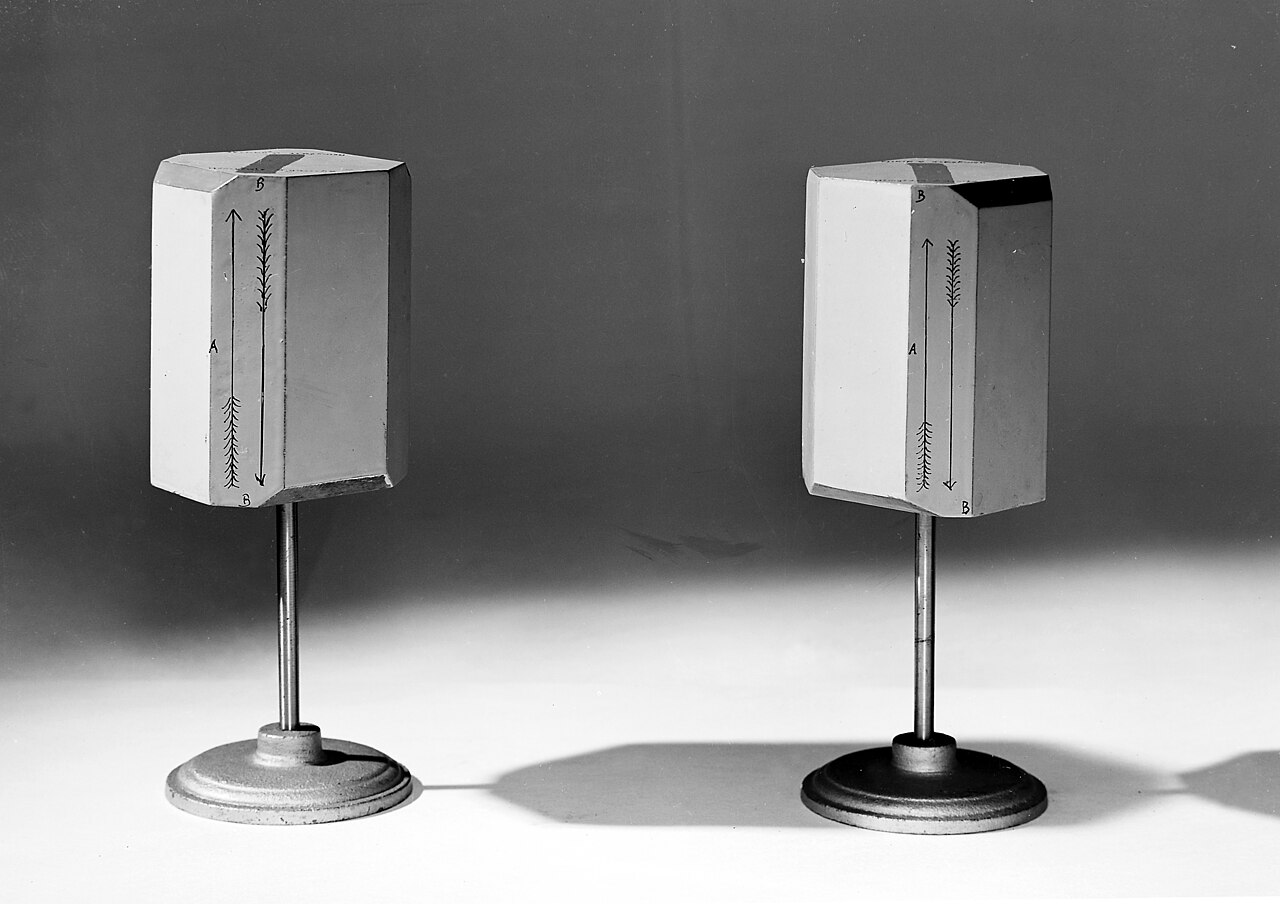
Henry Drummond's concept of protoplasm as the structural unit of all living bodies provides a foundation for understanding the intricate relationships within this esoteric current. Protoplasm, as a fundamental building block of life, can be seen as a manifestation of the elemental forces that underlie all existence. This idea resonates with the pagan deities worshiped as elementals, highlighting the notion that the natural world is imbued with spiritual and philosophical significance.
The Elemental Nature of Life and Insight
The concept of dæmons, as introduced by Paracelsus, represents a higher-order elemental force that guides human insight and understanding. In the context of Socrates's philosophical work, his dæmon is believed to be a divine nature that inspired his thoughts and ideas. This relationship between Socrates and his dæmon serves as a prime example of how elemental forces can shape human insight and guide philosophical inquiry.
The Influence of Elemental Forces on Human Thought
The connections between Socrates, Henry Drummond, and the concept of dæmons reveal a complex interplay of ideas. Socrates's encounters with his dæmon may have influenced the way his philosophical ideas were understood and interpreted, potentially shaping the development of Western philosophy. Conversely, Henry Drummond's writings on protoplasm might have, in turn, influenced the way dæmons were understood in later philosophical discussions, highlighting the dynamic and reciprocal nature of human insight and elemental forces.
The relationship between Socrates and his dæmon can be seen as analogous to Henry Drummond's concept of the angelic nature, which demonstrates the idea that human insight is often guided by forces beyond human comprehension. This notion is reinforced by the pagan deities worshiped as elementals, which serves as a reminder that the natural world is imbued with spiritual and philosophical significance.
Bibliographia & Fontes
Primary Source Books Used in This Article
The doctrines, historical citations, and symbolic correspondences synthesized in this article are drawn from the following primary works and chapters:
- I.Manly P. Hall, The Secret Teachings of All Ages1928
An Encyclopedic Outline of Masonic, Hermetic, Qabbalistic and Rosicrucian Symbolical Philosophy
Chapters / Sections Consulted:Ch. “The Elements and Their Inhabitants”
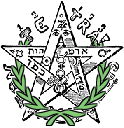
Transcendental Magic: Its Doctrine and Ritual (Éliphas Lévi)
The cornerstone of modern occultism and ceremonial magic, expounding the equilibrium of the Astral Light, the Pentagram, and the correspondence of the Twenty-Two Arcana.