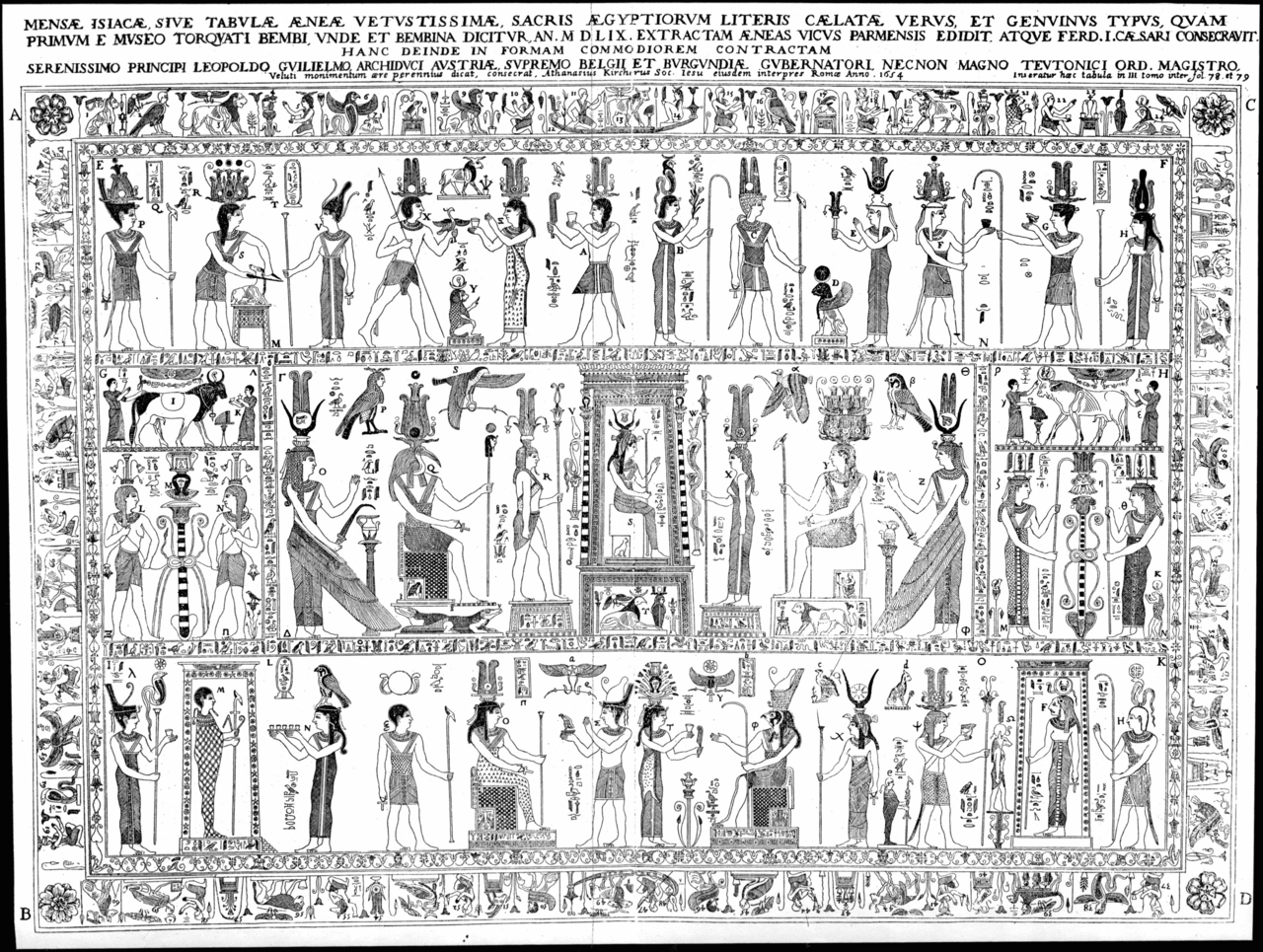
Through a close examination of the correspondences between these elements, we will distill the underlying principles that govern this mystical landscape. Our analysis will reveal a rich body of symbolism, demonstrating the complex dynamics between divine, magical, and mystical forces.
The Throne of Theotokos: Mary's Dominion over Evil
The figure of Mary, the Theotokos, is paramount in this tradition, symbolizing the Christian triumph over evil. Her throne, with one foot on the head of the magical serpent, serves as a potent reminder of Christ's victory. This imagery is further reinforced by the talament, a sacred figure representing Mary, which extends her hands to form a triangle with rays towards the earth. This configuration signifies the liberation of intelligence through labor, demonstrating the importance of spiritual striving in the attainment of divine understanding.
The Interplay of Divine and Magical Principles
The talament is closely tied to the double TAU symbol, a hierophant-associated artifact representing divine principles and magical powers. This connection highlights the intricate relationship between the mystical and the magical, where the divine is seen as the wellspring of magical potency. Conversely, the lingam with cteis, a symbol of malevolent forces or mysteries, is often used in opposition to the talament, illustrating the complex dialectics between light and darkness, good and evil.
The Quadrature of the Mystical: The Kabalistic and Masonic M
The kabalistic and Masonic M, a mystical symbol in the form of a square, signifies the square of the two pillars (Jakin and Boaz) supporting the mystical and magical secrets. This quadrature represents the harmonization of opposing forces, echoing the talament's triangle with rays. Both symbols, in their respective contexts, demonstrate the importance of balance and unity in the pursuit of spiritual and magical knowledge.
Synthesis: Esoteric Landscape of the Talempt
Through our analysis, a profound philosophical landscape emerges, characterized by the interplay of divine, magical, and mystical principles. The throne of Theotokos, the talament, and the kabalistic and Masonic M all serve as nodal points, weaving together an intricate system of symbolism that illuminates the human quest for spiritual understanding. The relationships between these figures and symbols reveal a deep dialectics, where opposing forces are harmonized, and the divine is seen as the source of magical potency. The Talempt tradition presents a rich, esoteric framework for exploring the mysteries of the universe and the human condition.
Bibliographia & Fontes
Primary Source Books Used in This Article
The doctrines, historical citations, and symbolic correspondences synthesized in this article are drawn from the following primary works and chapters:
- I.Éliphas Lévi, Transcendental Magic: Its Doctrine and Ritual (Dogme et Rituel de la Haute Magie)1856 / 1896 trans.
Translated and Annotated by A. E. Waite
Chapters / Sections Consulted:Part II: The Ritual of Transcendental Magic
Transcendental Magic: Its Doctrine and Ritual (Éliphas Lévi)
The cornerstone of modern occultism and ceremonial magic, expounding the equilibrium of the Astral Light, the Pentagram, and the correspondence of the Twenty-Two Arcana.