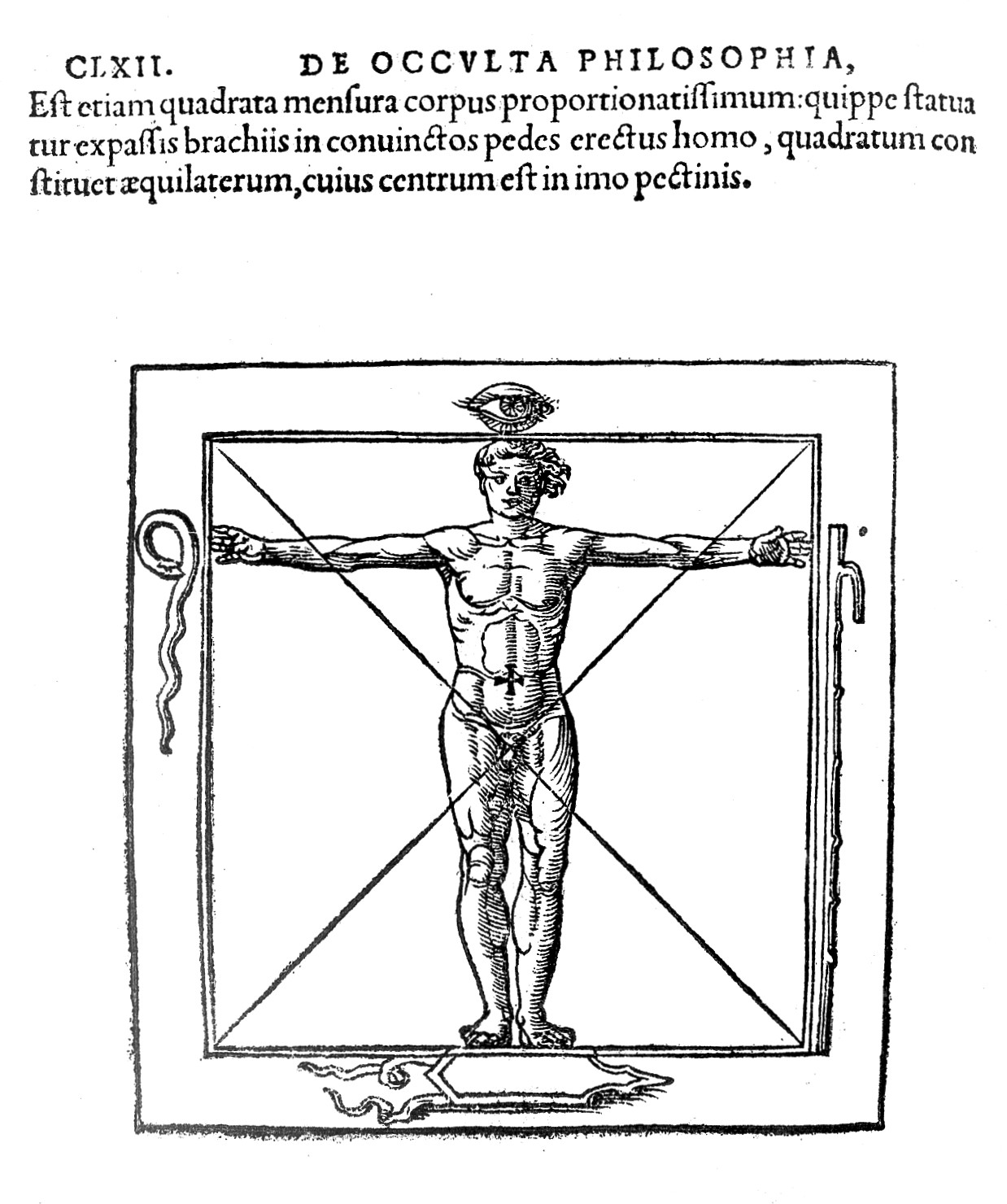
The doctrine of Evocation encompasses esoteric concepts and practices centered around the ritual of evocation. Through a critical analysis of the surviving literature points, this synthesis aims to illuminate the manifold nature of evocation, its connections to the human experience, and the intricate balance between spiritual and material realms.
The Multifaceted Nature of Evocation
Evocation, as a ritual practice, is deeply rooted in the concept of summoning and communicating with spirits or entities. This complex process involves the recitation of texts, oaths, and other magical means, necessitating caution due to its potential consequences. The practice is frequently associated with magnetism and the Astral Light, highlighting the sympathy of spiritual forces and human consciousness.
The use of various substances, such as blood, taper, lamp, and cypress-wood, serves as an integral part of the evocation ritual. These elements, imbued with symbolic significance, facilitate the creation of a liminal space, conducive to the manifestation of the invoked spirit. The consumption of food, such as vinegar and roots or fruits, provides the operator with energy and focus, demonstrating the importance of physical and spiritual nourishment in the ritual process.
The Role of Human Consciousness
The relationship between the operator's state of mind and the manifestation of the spirit is a crucial aspect of evocation. The use of hypnotic prayer and regular visits to the chamber of evocations prepares the operator for the main ritual, allowing for a deeper state of consciousness and receptivity to the invoked spirit. The silence of eleven minutes after invoking the spirit is a critical period, as it enables the operator to transcend their ordinary state of awareness and facilitate communication with the spirit.
The Interplay between Spiritual and Material Realms
The entities and substances involved in evocation highlight the intricate balance between spiritual and material realms. The use of blood, for instance, is a substance with manifold connotations, embodying both healing and dark magic. Similarly, the portrait and meadow serve as focal points for the evocation, blurring the boundaries between the material and spiritual worlds.
The Significance of Preparation and Uncertainty
Despite thorough preparation, the ritual of evocation is not guaranteed to result in the desired apparition. This uncertainty demonstrates the ephemeral nature of evocation, emphasizing the importance of humility and openness in the ritual process. The use of hymns, such as those of Cleanthes and Orpheus' Golden Verses, serves as a means of acknowledging this uncertainty, while also providing a framework for the invocation of the spirit.
Bibliographia & Fontes
Primary Source Books Used in This Article
The doctrines, historical citations, and symbolic correspondences synthesized in this article are drawn from the following primary works and chapters:
- I.Éliphas Lévi, Transcendental Magic: Its Doctrine and Ritual (Dogme et Rituel de la Haute Magie)1856 / 1896 trans.
Translated and Annotated by A. E. Waite
Chapters / Sections Consulted:Part II: The Ritual of Transcendental Magic
Further Inquiry in This Cycle
Companion Studies & Disputations
Evocation: A Philosophical Synthesis of Evocation
This essay examines the esoteric realm of this hermetic lineage, where the concept of evocation takes center stage. By examining the relationships among…
Sylvanus Marechal & Sylvanus Marechal's Widow: Beyond the Veil
Our analysis will navigate the philosophical implications of post-mortem communication, exploring the boundaries between the material and spiritual…
Transcendental Magic: Its Doctrine and Ritual (Éliphas Lévi)
The cornerstone of modern occultism and ceremonial magic, expounding the equilibrium of the Astral Light, the Pentagram, and the correspondence of the Twenty-Two Arcana.