Through a comprehensive analysis of the relationships between key concepts, this examination reveals the complexities and tensions that arise when individuals or groups engage in the negotiation process, seeking to establish agreements that balance ethical standards with the pursuit of power and knowledge.
The Negotiation Process: Balancing Ethics and Power
Central to magical pacts is the negotiation process, a delicate dance between individuals or groups seeking to establish mutually beneficial agreements. This process is characterized by a complex interplay between ethical integrity and the pernicious influence of black magic. Negotiations often begin with the invocation of white magic, which serves as a foundational element in setting the tone and creating a framework for discussions. However, the actual agreement reached may diverge from these methods, incorporating elements of black magic or ordinary legal or verbal agreements.
The negotiation process is intricately tied to the penangram, a central symbol in magical practices, involving detailed and complex agreements among individuals or groups. The penangram, often depicted as a pentagram, serves as a focal point in discussions, with negotiators engaging in intricate and detailed agreements to define its use and meaning. This process requires a deep and comprehensive understanding of the penangram, encompassing not only its practical applications but also its symbolic importance in various magical practices.
The Tension between White and Black Magic
The relationships between white and black magic practices are marked by tension and contrast. White magic arts, denoted as "WHITE MAGIC ARTS," are primarily associated with negotiations that begin with the invocation of white magic, serving as a fundamental and ethical starting point. In contrast, black magic practices are a direct contrast to the ethical principles of white magic, often involving the integration of black magic practices into agreements.
The deviation of white magic into black magic, denoted as "WHITE MAGIC ARTS DEVIATION," is a critical aspect of the negotiation process. This phenomenon highlights the ongoing tension and misbalance between the two magical practices, as negotiations often result in agreements that reflect ethical misalignments, with elements of black magic infiltrating and distorting what should be purely white magic.
The Pact Signature: Formalizing Agreements and Deviations
The pact signature, a critical outcome of the negotiation process, formalizes specific deviations within the practice of white magic arts. This document serves an essential office in outlining these deviations, ensuring that all parties involved are aware of the allowed variations within the practice of white magic arts. The pact signature also serves as a binding agreement, marking the terms of the pact with one's own blood, and incorporating the distortions of symbols, such as the inverted pentagram of the planet Uranus.
Bibliographia & Fontes
Primary Source Books Used in This Article
The doctrines, historical citations, and symbolic correspondences synthesized in this article are drawn from the following primary works and chapters:
- I.Manly P. Hall, The Secret Teachings of All Ages1928
An Encyclopedic Outline of Masonic, Hermetic, Qabbalistic and Rosicrucian Symbolical Philosophy
Chapters / Sections Consulted:Ch. “Ceremonial Magic and Sorcery”
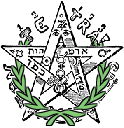
Transcendental Magic: Its Doctrine and Ritual (Éliphas Lévi)
The cornerstone of modern occultism and ceremonial magic, expounding the equilibrium of the Astral Light, the Pentagram, and the correspondence of the Twenty-Two Arcana.