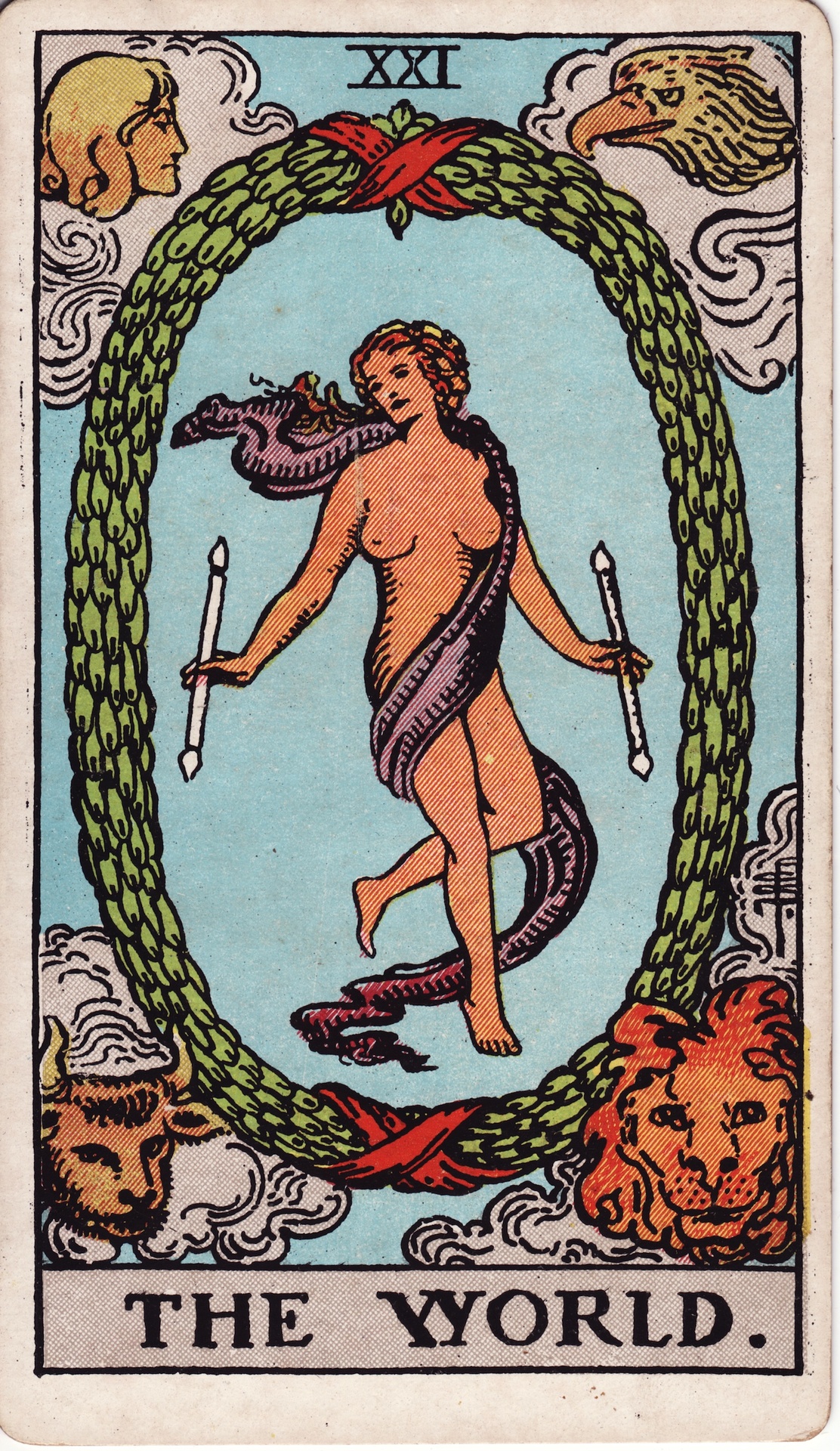
Through a nuanced analysis of these figures and symbols and their connections, we will uncover the deeper themes of transformation, renewal, and spiritual authority that permeate this esoteric community.
The Phoenix: A Symbol of Eternal Renewal
The Phoenix is a manifold symbol that embodies the concepts of rebirth, resurrection, and immortality. As a revered figure in various cultural and spiritual contexts, the Phoenix represents the transformative power of purification and divine rebirth. Its creation of a nest using incense and flames serves as a potent metaphor for the cyclical process of destruction and renewal. This symbolism is further reinforced by the Phoenix's association with the completion of the Great Work, emphasizing its role in spiritual transformation and the cycle of renewal.
The Phoenix also represents the periodic renewal of wisdom throughout history, signifying the continuous emergence of new knowledge from the ashes of the old. This theme is echoed in the broader framework of spiritual beliefs, where the Phoenix is crucial in understanding the permanence of the Kabalah and the Kingdom of God. As a symbol of eternal spiritual truths and the cyclical renewal of existence, the Phoenix demonstrates the essential role of transformation in both individual and collective spiritual journeys.
Le Pape: Spiritual Authority and Leadership
The card Le Pape represents a high priest of a pagan or Christian Mystery school, symbolizing spiritual authority and leadership. As a figure of spiritual guidance, Le Pape embodies the principles of wisdom, compassion, and discernment. This card serves as a reminder of the importance of spiritual leadership in navigating the complexities of the human experience.
L'Empereur: The Ruler of the Material World
The Emperor card represents the Demiurgus, the ruler of the material world, with symbols of the sun and moon and a phœnix. This card signifies the dynamic interplay between creation and transformation, highlighting the Emperor's role in shaping the world through the cyclical process of birth, growth, and decay. The inclusion of the phœnix in the Emperor's symbolism serves to demonstrate the continuous nature of creation and renewal.
Relationships and Synthesis
The relationships between Le Pape, L'Empereur, and the Phoenix offer a rich body of philosophical insights. The connection between Le Pape and L'Empereur, for instance, highlights the complementary aspects of divinity and rulership. While Le Pape represents spiritual authority, L'Empereur embodies material authority, demonstrating the sympathy of these two realms.
The relationship between L'Empereur and the Phoenix, meanwhile, serves to emphasize the cyclical nature of creation and transformation. The Emperor's inclusion of the phœnix in his symbolism demonstrates the continuous process of renewal and rebirth, highlighting the dynamic interplay between creation and destruction.
In synthesizing the philosophical underpinnings of this hermetic lineage, we find a profound emphasis on the eternal cycle of renewal. The Phoenix, Le Pape, and L'Empereur collectively represent the transformative power of purification, spiritual authority, and the cyclical process of creation and destruction. Through their relationships, we gain insight into the sympathy of the spiritual and material realms, as well as the essential role of transformation in both individual and collective spiritual journeys. The Phoenix tradition offers a nuanced exploration of the human experience, inviting us to embark on a journey of self-discovery and spiritual growth.
Bibliographia & Fontes
Primary Source Books Used in This Article
The doctrines, historical citations, and symbolic correspondences synthesized in this article are drawn from the following primary works and chapters:
- I.Manly P. Hall, The Secret Teachings of All Ages1928
An Encyclopedic Outline of Masonic, Hermetic, Qabbalistic and Rosicrucian Symbolical Philosophy
Chapters / Sections Consulted:Ch. “An Analysis of Tarot Cards”
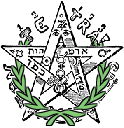
Transcendental Magic: Its Doctrine and Ritual (Éliphas Lévi)
The cornerstone of modern occultism and ceremonial magic, expounding the equilibrium of the Astral Light, the Pentagram, and the correspondence of the Twenty-Two Arcana.