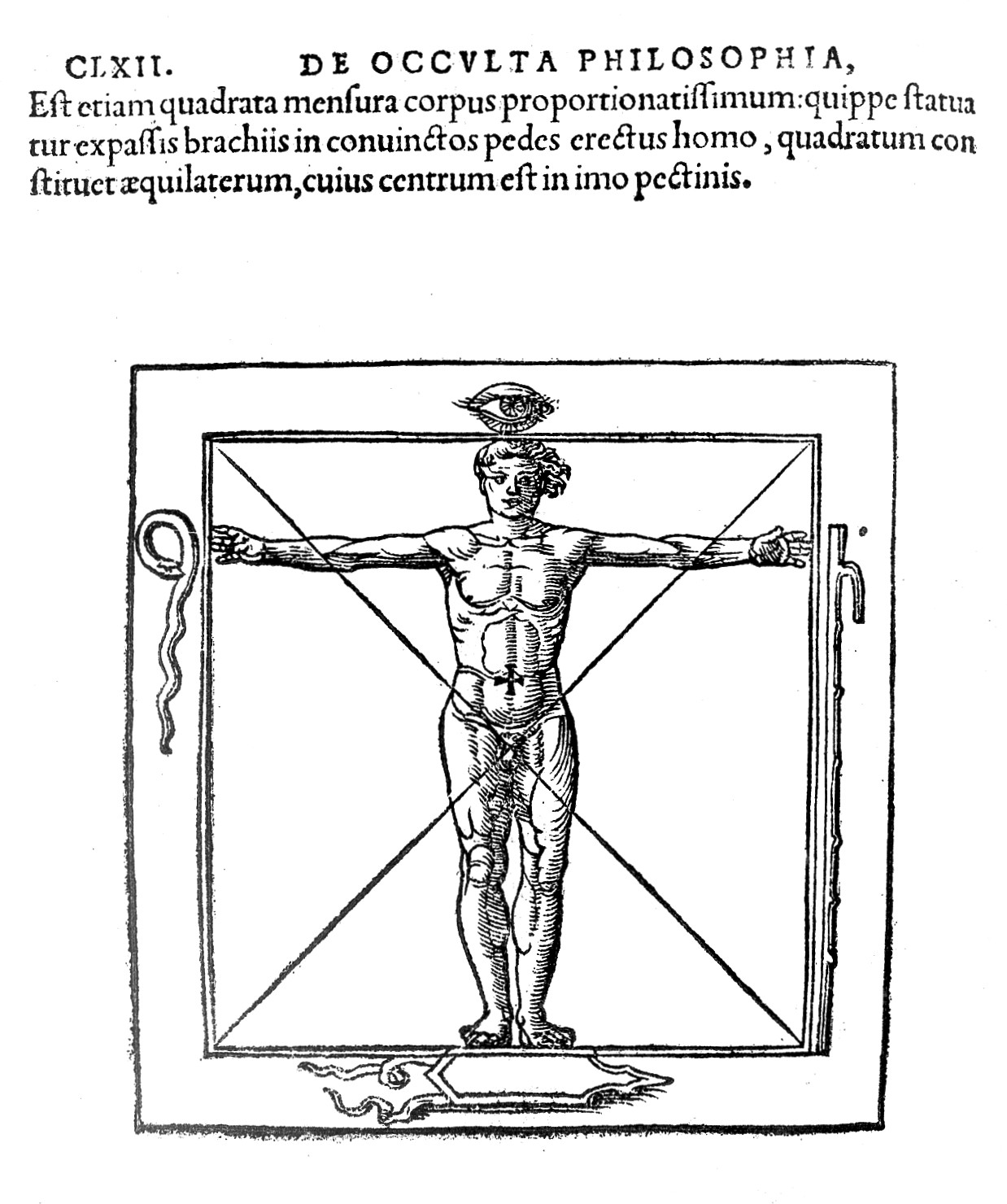
The the Affliction tradition dataset presents a complex network of concepts that weave together to form a rich body of ideas surrounding affliction, womanhood, and the human experience.
The Essence of Affliction
Affliction, as a concept, is manifold and far-reaching. It encompasses a range of negative states, from psychological stress and adverse circumstances to supernatural influences and diseases. At its core, affliction represents a state of suffering or hardship that can arise from various sources, including bewitchments, external events, and challenging life situations. This concept is closely tied to the idea of womanhood eternal, which symbolizes the essence and eternal properties of womanhood, particularly her influence in material and physical affairs.
The Role of Womanhood in Affliction
The connection between womanhood and affliction is a recurring theme throughout the dataset. Womanhood eternal is related to the house of money, indicating her influence on financial matters. This relationship suggests that women play a significant role in managing material wealth and, by extension, are often impacted by the challenges and hardships that come with it. Widowhood, divorce, and separation are all states of affliction that are specifically associated with women, highlighting the unique ways in which they experience suffering and hardship.
The Spread of Affliction
The concept of contagious touch highlights the ways in which affliction can spread through physical contact. This idea is closely tied to the notion of evil acquaintance, which can lead to harmful afflictions similar to bewitchments. Choler, an old term for a state of excitement, is also a specific type of affliction that can be a consequence of bewitchments. These relationships demonstrate the idea that affliction can be transmitted and shared, often through external forces or negative relationships.
The Material Aspects of Marital Life
Marital life is closely tied to the house of money, which contains the idea of womanhood eternal. This relationship suggests that the material aspects of marital life, including financial management and economic struggles, are closely wedded with the essence of womanhood. Peasantry, a state of living in rural or agricultural areas, is also connected to marital and economic struggles, highlighting the ways in which material hardship can impact relationships and individual well-being.
Bibliographia & Fontes
Primary Source Books Used in This Article
The doctrines, historical citations, and symbolic correspondences synthesized in this article are drawn from the following primary works and chapters:
- I.Éliphas Lévi, Transcendental Magic: Its Doctrine and Ritual (Dogme et Rituel de la Haute Magie)1856 / 1896 trans.
Translated and Annotated by A. E. Waite
Chapters / Sections Consulted:Part I: The Doctrine of Transcendental Magic - II.A. E. Thierens, The General Book of the Tarot1930
Containing the Astrological Key to the Esoteric Tradition of the Greater and Lesser Arcana (Intro. by A. E. Waite)
Further Inquiry in This Cycle
Companion Studies & Disputations
Dynamics of Suffering and Relationship
Through a careful analysis of the surviving literature points, we will uncover the underlying dynamics that govern the experiences of suffering…
Marital Life: Womanhood, Wealth, and Rural Life
In this essay, we examine the philosophical underpinnings of this hermetic lineage, exploring the intricate relationships between the concepts of Womanhood…
Transcendental Magic: Its Doctrine and Ritual (Éliphas Lévi)
The cornerstone of modern occultism and ceremonial magic, expounding the equilibrium of the Astral Light, the Pentagram, and the correspondence of the Twenty-Two Arcana.