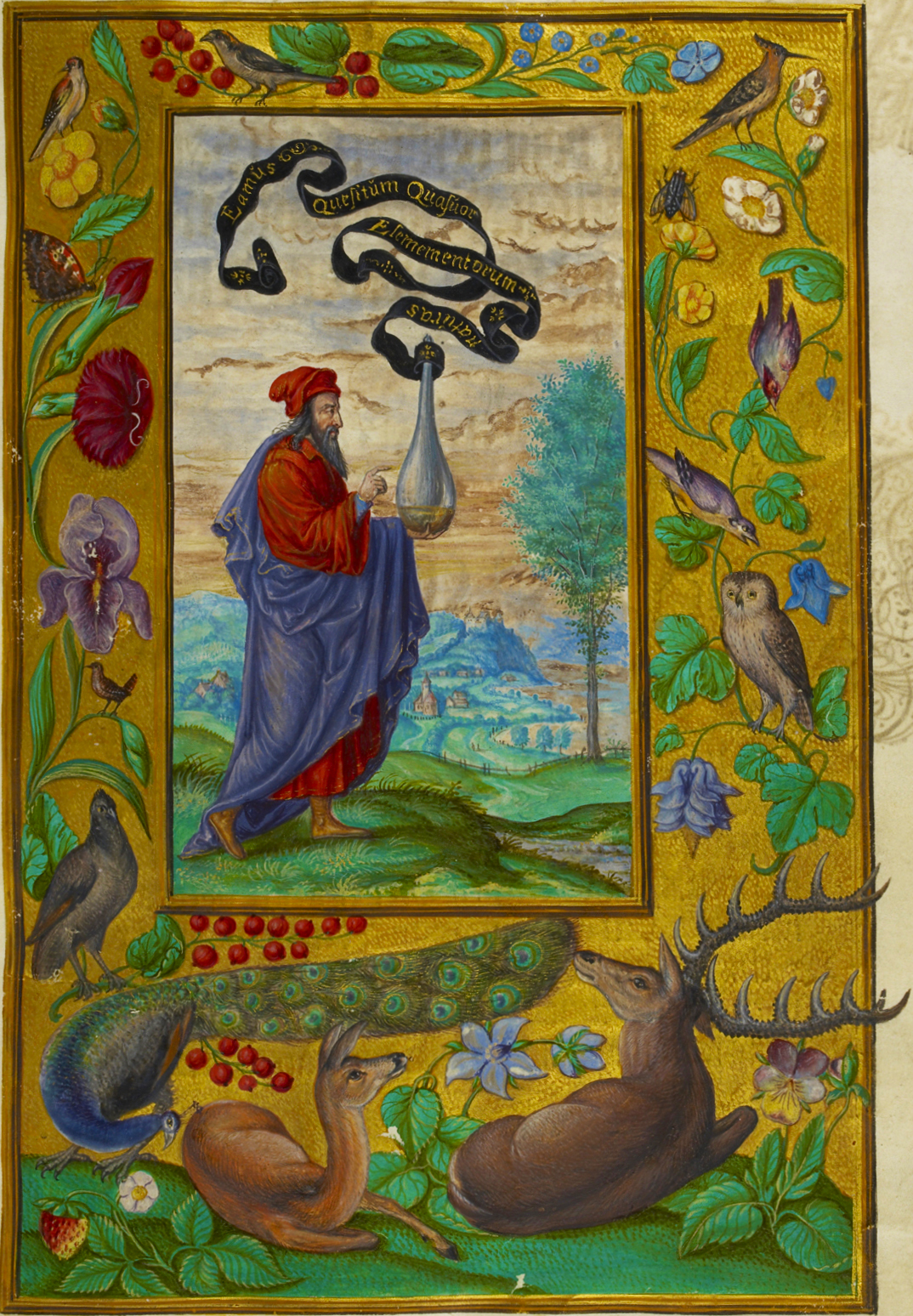
In the realm of human existence, traditional doctrines and concepts intersect to form an intricate system of moral, spiritual, and philosophical understandings. Central to this realm is the dichotomy between Virtue and Vice, with the former representing moral purity and the latter symbolizing immorality and spiritual impurity.
The Pontiff and the Beggar: A Tale of Two Extremes
The Pontiff, a high-ranking ecclesiastical official, represents a figure of authority and spiritual guidance. In contrast, the Beggar, a character emblematic of the lowest social class, embodies humility and poverty. Despite their differences, both entities share a common thread - the potential for transformation and spiritual rebirth. The Beggar, like Sixtus V, can achieve great things through belief and action, highlighting the idea that even in the most marginalized of individuals, lies the potential for greatness. This dynamic affirms that social class is not a determinant of one's capacity for Virtue.
The Interplay between Virtue and Vice
Virtue and Vice exist in a state of tension, with the former serving as a counterpoint to the latter. The practice of Virtue punishes Vice, implying that the adoption of Virtue is a means of rectifying past wrongs and promoting spiritual growth. This relationship is further complicated by the concept of Punishment, which serves as a societal measure to deter criminal behavior and enforce laws. In this context, Punishment can be seen as a means of correcting Vice, highlighting the idea that moral accountability is a necessary aspect of human existence.
The Role of the Philosopher
The Philosopher, a figure endowed with the faculty of imitation and the perfect word of righteousness, serves an essential office in the pursuit of Virtue. Through their quest for knowledge and understanding, Philosophers seek to embody Virtue, guiding their conduct and achieving a higher state of being. The Philosopher's relationship with the White-robed Sages, ancient teachers who imparted philosophical and cultural ideals, attests to the necessity of guidance and mentorship in the pursuit of wisdom.
The Fool and the Transient Nature of Existence
The Fool, a card representing the absence of wisdom or knowledge, serves as a counterpoint to the Philosopher. Through its association with Juggling, a ritual highlighting the manipulation of natural phenomena and the transient nature of existence, the Fool card emphasizes the illusory aspect of material reality. This dynamic demonstrates the idea that human existence is marked by impermanence and that true understanding can only be achieved through the recognition of this fact.
Physiological Regeneration and the Pursuit of Virtue
Physiological Regeneration, a concept signifying the process of transformation or awakening through mystical initiation, is a key aspect of the Philosopher's quest. This process, leading to spiritual rebirth, highlights the idea that the pursuit of Virtue is a transformative journey, one that requires the individual to transcend their current state of being and achieve a higher level of understanding.
The principles and correspondences presented in this essay form an intricate system of moral, spiritual, and philosophical understandings. Central to this realm is the dichotomy between Virtue and Vice, with the former representing moral purity and the latter symbolizing immorality and spiritual impurity. Through the pursuit of Virtue, individuals can achieve spiritual growth, rectify past wrongs, and embody a higher state of being.
Bibliographia & Fontes
Primary Source Books Used in This Article
The doctrines, historical citations, and symbolic correspondences synthesized in this article are drawn from the following primary works and chapters:
- I.Éliphas Lévi, Transcendental Magic: Its Doctrine and Ritual (Dogme et Rituel de la Haute Magie)1856 / 1896 trans.
Translated and Annotated by A. E. Waite
Chapters / Sections Consulted:Part II: The Ritual of Transcendental Magic - II.Manly P. Hall, The Secret Teachings of All Ages1928
An Encyclopedic Outline of Masonic, Hermetic, Qabbalistic and Rosicrucian Symbolical Philosophy
Chapters / Sections Consulted:Ch. “Introduction to Symbolical Philosophy” · Ch. “Conclusion” · Ch. “An Analysis of Tarot Cards” - III.Arthur Edward Waite, The Pictorial Key to the Tarot1910
Being Fragments of a Secret Tradition under the Veil of Divination
Further Inquiry in This Cycle
Companion Studies & Disputations
The Harmony of Virtue and Knowledge
In the esoteric community of 1353, a network of concepts and relationships reveals a profound philosophical landscape. Central to this landscape is the…
Fool & Beggar: Humility and Transience
Through a careful analysis of these concepts, substance, ritual, lineage, and person, we reveal a rich body of themes centered on humility, the transient…
Man's Part: The Dichotomy of Influence
In the Man's Part tradition, a fascinating dichotomy emerges between two concepts: Angel's Part and Man's Part. By synthesizing the surviving literature…
The Dialectics of Vice and Punishment: A Philosophical Synthesis
This essay provides a comprehensive analysis of the philosophical concepts of Vice and Punishment, as well as their interrelationship, within the context…
Transcendental Magic: Its Doctrine and Ritual (Éliphas Lévi)
The cornerstone of modern occultism and ceremonial magic, expounding the equilibrium of the Astral Light, the Pentagram, and the correspondence of the Twenty-Two Arcana.