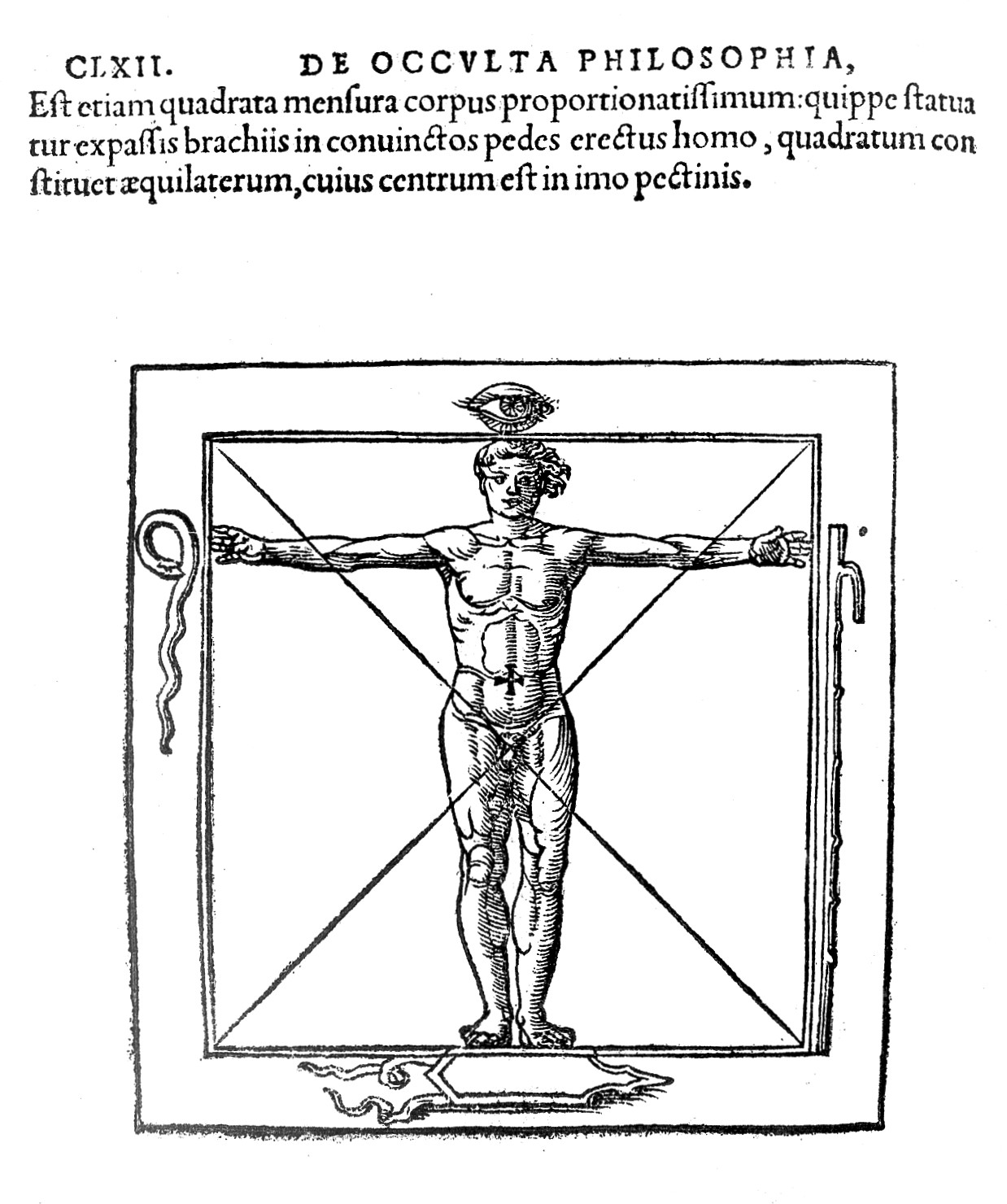
The analysis explores the relationships between key entities, including White Magic, Spirits of Jupiter's Order, Pabiel, Jesu of Nazareth, Fiat, and Interrogatories.
Influences: Unpacking the Relationships
Central to this hermetic lineage is the concept of White Magic, a form of magic aimed at achieving beneficial outcomes through the invocation of good spirits. This practice is closely wedded with the idea of Fiat, a Latin term meaning "let it be done," which is used to command or affirm a desired action. The relationship between White Magic and Fiat is one of empowerment, where the magician's will is channeled through the divine authority of Fiat to bring about positive change.
Pabiel is a crucial mediator in this process, often invoked in rituals to receive guidance and commands from celestial beings, specifically the Spirits of Jupiter's Order. Pabiel's connection to these spirits demonstrates the tradition's emphasis on seeking assistance from benevolent forces. Pabiel's invocation in the name of Jesu of Nazareth (Jesus Christ) suggests a link between the magician's authority and the spirit's appearance, affirming the role of divine permission and authorization in the ritual context.
The ritual of Interrogatories, where the magician questions Pabiel to extract information or command actions, serves as a critical means of establishing a clear and verified identity for the spirit. This interactive process ensures that Pabiel is indeed present and accountable, allowing the magician to navigate the spirit world with confidence and purpose.
Divine Authority and the Dynamics of Fiat
The relationships between Fiat, Jesu of Nazareth, and White Magic reveal the central role of divine authority in the Pabiel tradition's tradition. Fiat, as a term, encapsulates the idea of empowering a desired outcome or effect by stating the intention or will. When used in the name of Jesu of Nazareth, Fiat becomes a powerful invocation of divine permission, allowing the magician to tap into the authority of the divine.
In this context, White Magic is performed using the Fiat command, demonstrating the importance of aligning one's will with the divine. This synergy between the magician's intention and the divine authority of Fiat enables the successful invocation of benevolent spirits, such as Pabiel, to achieve positive outcomes.
Bibliographia & Fontes
Primary Source Books Used in This Article
The doctrines, historical citations, and symbolic correspondences synthesized in this article are drawn from the following primary works and chapters:
- I.Manly P. Hall, The Secret Teachings of All Ages1928
An Encyclopedic Outline of Masonic, Hermetic, Qabbalistic and Rosicrucian Symbolical Philosophy
Chapters / Sections Consulted:Ch. “Ceremonial Magic and Sorcery”
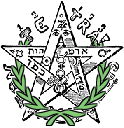
Transcendental Magic: Its Doctrine and Ritual (Éliphas Lévi)
The cornerstone of modern occultism and ceremonial magic, expounding the equilibrium of the Astral Light, the Pentagram, and the correspondence of the Twenty-Two Arcana.