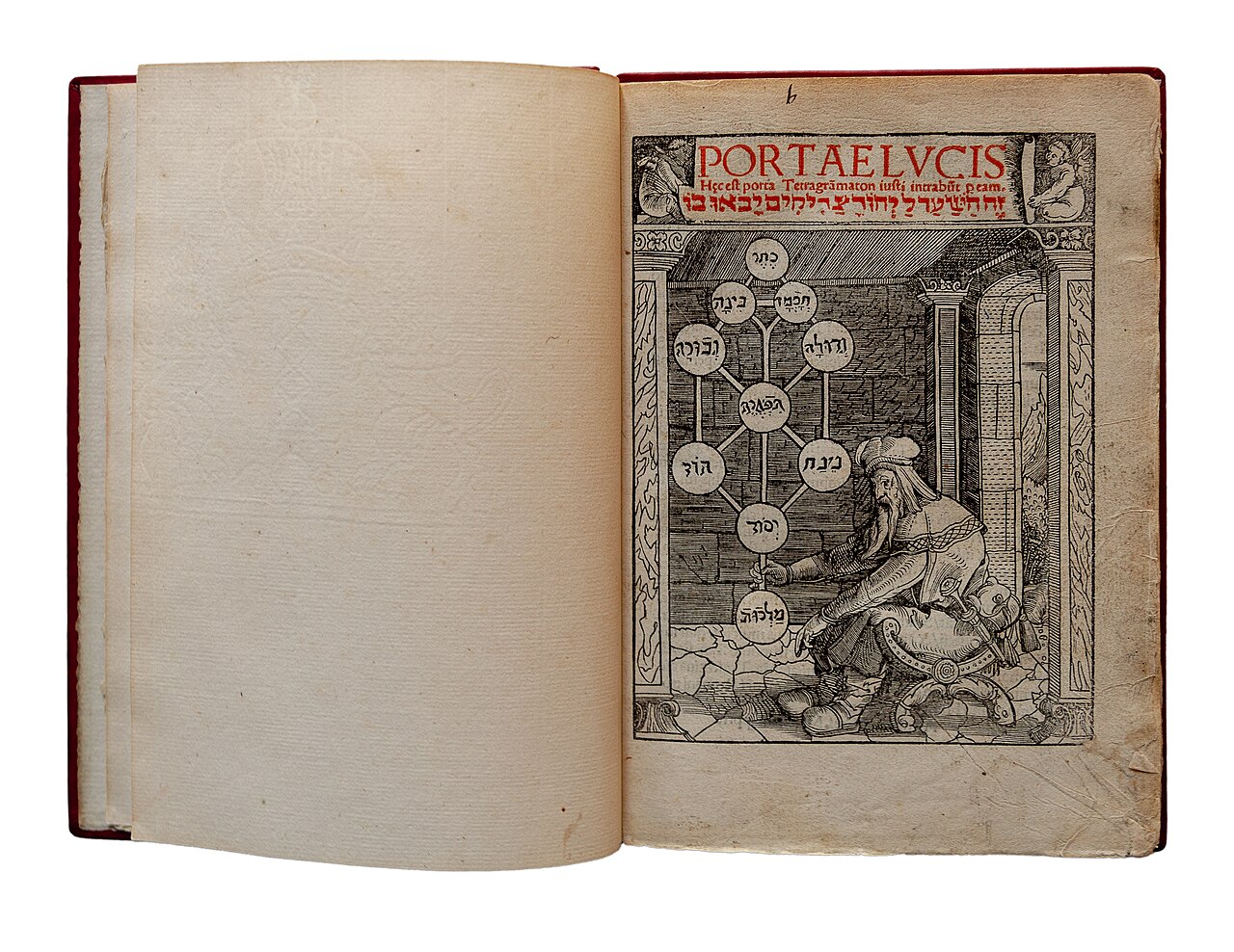
The analysis reveals a network of relationships between these concepts, highlighting the Tarot's role as a tool for divination, spiritual growth, and self-discovery. By examining the connections between Tarot, Kabala, and other entities, this synthesis aims to provide a deeper understanding of the philosophical and esoteric principles underlying these traditions.
Historical & Symbolic Context
The Tarot and Kabala are closely bound, with the Tarot representing a summary of the Hermetic Sciences, including Kabala. This connection is evident in the use of Kabalistic rituals, which involve the use of Divine Names and the Tarot as means of invoking and working with spiritual forces. The Tarot's symbolism is deeply rooted in Kabalistic principles, with each card carrying specific numerical and symbolic meanings often linked to the Hebrew alphabet and Kabalistic theosophy.
The Tarot's structure, comprising the Major and Minor Arcana, is reflective of Kabalistic principles, with the 22 Major Arcana aligning with the Thirty-two Paths of Kabalistic theosophy. The Trump Majors, representing numbers 1 to 10, offer a fourfold explanation in the suits, further solidifying the connection between Tarot and Kabala.
The entities of Chet and Chetzair, representing communication and youth/beauty, respectively, are associated with the Tarot, affirming the role of these principles in the Tarot's symbolism. The use of geomancy, a method of divination using marks or symbols, is also connected to the Tarot, suggesting a shared esoteric context.
The Romany people, Spanish gypsies, and other lineages are credited with the spread of the Tarot in Europe, emphasizing the Tarot's role as a tool for divination and spiritual growth across cultures. The inclusion of Samaritan or Egyptian images in the Tarot, although not essential to its original design, highlights the Tarot's connection to ancient and mystical traditions.
Blavatsky, a pivotal figure in the Theosophical Society, is deeply connected to the Tarot, with her extensive study and writings on the subject contributing to a deeper understanding of the Tarot's esoteric principles. The connection between the Tarot and Blavatsky's work is further solidified through her exploration of the relationship between colors and states of matter, offering a unique perspective on the invisible forces that shape our reality.
The synthesis of the classical sources and relationships reveals a network of connections between Tarot, Kabala, and related concepts. The Tarot, as a tool for divination and spiritual growth, is deeply rooted in Kabalistic principles and is connected to various lineages, traditions, and esoteric practices. This synthesis provides a deeper understanding of the philosophical and esoteric principles underlying these traditions, highlighting the Tarot's role as a powerful tool for self-discovery and spiritual exploration.
Bibliographia & Fontes
Primary Source Books Used in This Article
The doctrines, historical citations, and symbolic correspondences synthesized in this article are drawn from the following primary works and chapters:
- I.Arthur Edward Waite, The Pictorial Key to the Tarot1910
Being Fragments of a Secret Tradition under the Veil of Divination
- II.Éliphas Lévi, Transcendental Magic: Its Doctrine and Ritual (Dogme et Rituel de la Haute Magie)1856 / 1896 trans.
Translated and Annotated by A. E. Waite
Chapters / Sections Consulted:Part II: The Ritual of Transcendental Magic · Part I: The Doctrine of Transcendental Magic - III.P. D. Ouspensky, The Symbolism of the Tarot: Philosophy of Occultism in Pictures and Numbers1913
Translated by A. L. Pogossky
- IV.A. E. Thierens, The General Book of the Tarot1930
Containing the Astrological Key to the Esoteric Tradition of the Greater and Lesser Arcana (Intro. by A. E. Waite)
- V.Helena Petrovna Blavatsky, The Secret Doctrine1888
Classical Primary Source Referenced in Text
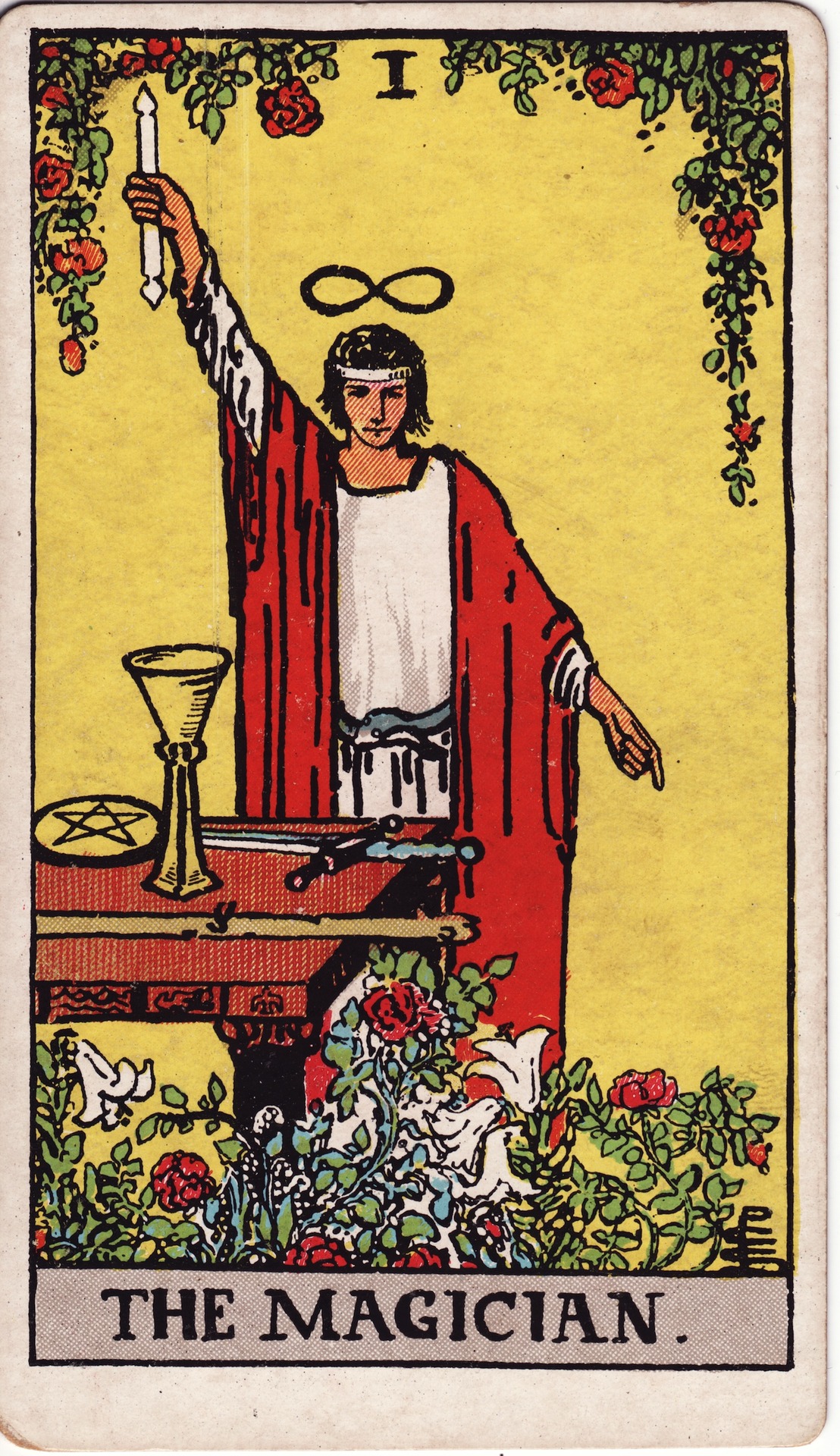
The Tarot of the Bohemians (Papus / Gérard Encausse)
The absolute key to occult science: the classic nineteenth-century treatise uniting the twenty-two Major Arcana with Kabbalistic Hebrew letters, tetragrammaton progressions, and astrological synthesis.