This essay provides a comprehensive synthesis of the philosophical and esoteric concepts related to the Tarot, a divination tool used for centuries to gain insights into the human condition. By examining the relationships between key entities and concepts, such as Numerology, Levi's Tableau, Papus, and the Greater and Lesser Arcana, this essay reveals the deeper connections and symbolism underlying the Tarot. This analysis demonstrates how the Tarot serves as a powerful tool for spiritual growth, self-discovery, and understanding the mysteries of the universe.
The Tarot
Central to the Tarot is a network of relationships between various esoteric concepts. Papus, a prominent French occultist, built upon the work of Éliphas Lévi, exploring the connections between the Tarot and Levi's Tableau. This synthesis reveals the Tarot as a tool for understanding the relationships between God, Man, and the Universe. The Greater Arcana, representing higher cosmic principles, and the Lesser Arcana, representing lower cosmic principles, are interconnected components of the complete Tarot. This sympathy is further reflected in the relationships between the Tarot and Numerology, Cartomancy, and Folklore.
The Symbolism of the Tarot
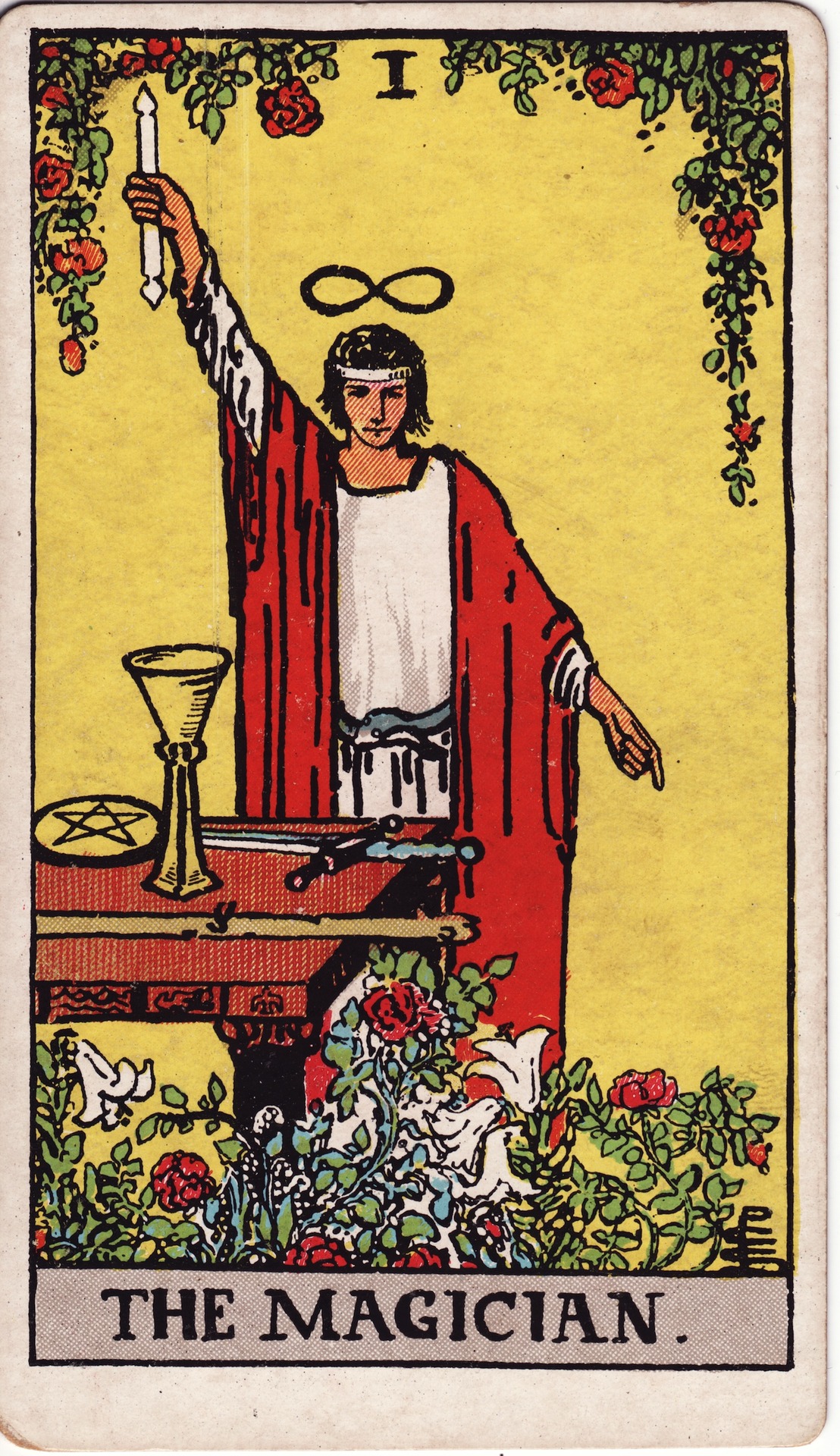
The Tarot deck, comprising both Major and Minor Arcana, is a collection of cards used in divination, magic, and esoteric practices. Each card features symbols and images that carry significant meanings, facilitating the unfolding of esoteric and practical knowledge. The Major Trumps, in particular, serve as a profound tool for philosophical and spiritual wisdom, offering deeper paths of understanding and knowledge. The symbolism of the Tarot is rooted in traditional myths and folklore, connecting the Tarot to human experiences and the collective unconscious.
The Role of Papus in Tarot Studies
Papus, a key figure in Tarot studies, contributed significantly to the understanding of the Tarot through his works, such as "The Tarot of the Bohemians." His research and writings emphasized the importance of the Lesser Arcana, a component of the Tarot deck, and explored the connections between the Tarot and Numerology. Papus's work also highlighted the Tarot's connection to Folklore and traditional myths, demonstrating the Tarot's ability to tap into the collective unconscious.
The Wisdom of the Tarot
The Tarot, as a tool for divination and spiritual growth, offers a profound path of self-discovery and understanding. The Major Trumps, in particular, serve as a guide for navigating life's complexities and uncovering deeper truths. The Tarot's symbolism, rooted in traditional myths and folklore, connects us to the collective unconscious, allowing us to tap into the wisdom of the ages. Through its use, the Tarot reveals the sympathy of all things, offering a deeper understanding of the universe and our place within it.
Bibliographia & Fontes
Primary Source Books Used in This Article
The doctrines, historical citations, and symbolic correspondences synthesized in this article are drawn from the following primary works and chapters:
- I.Arthur Edward Waite, The Pictorial Key to the Tarot1910
Being Fragments of a Secret Tradition under the Veil of Divination
- II.A. E. Thierens, The General Book of the Tarot1930
Containing the Astrological Key to the Esoteric Tradition of the Greater and Lesser Arcana (Intro. by A. E. Waite)
- III.Papus (Gérard Encausse), The Tarot of the Bohemians1889
Classical Primary Source Referenced in Text
Further Inquiry in This Cycle
Companion Studies & Disputations
Cartomancy: The Cartomantic Legacy of Etteilla
Through an examination of Etteilla's books and their relationship to cartomancy, we will trace the esoteric significance of this practice, exploring its…
Lesser Arcana & Greater Arcana: The Harmonics of Tarot
Through a careful analysis of these concepts and their correspondences, we will uncover the deeper structure and symbolic significance of the Tarot…
Realm of Tarot Deck
The doctrine of Tarot Deck encompasses esoteric concepts, weaving together the threads of tarot, numerology, and mystical practices. By examining the tarot…
Ely Alta: The Egyptian Revival of Tarot Symbolism
Through an examination of Alta's work and its relationship to the Tarot Egyptian, this analysis reveals the underlying themes and motivations driving this…
Papus: The Evolution of Tarot Divination
In the realm of occultism, the 19th and early 20th centuries witnessed a significant resurgence of interest in tarot divination, thanks in part to the…
The Tarot of the Bohemians (Papus / Gérard Encausse)
The absolute key to occult science: the classic nineteenth-century treatise uniting the twenty-two Major Arcana with Kabbalistic Hebrew letters, tetragrammaton progressions, and astrological synthesis.