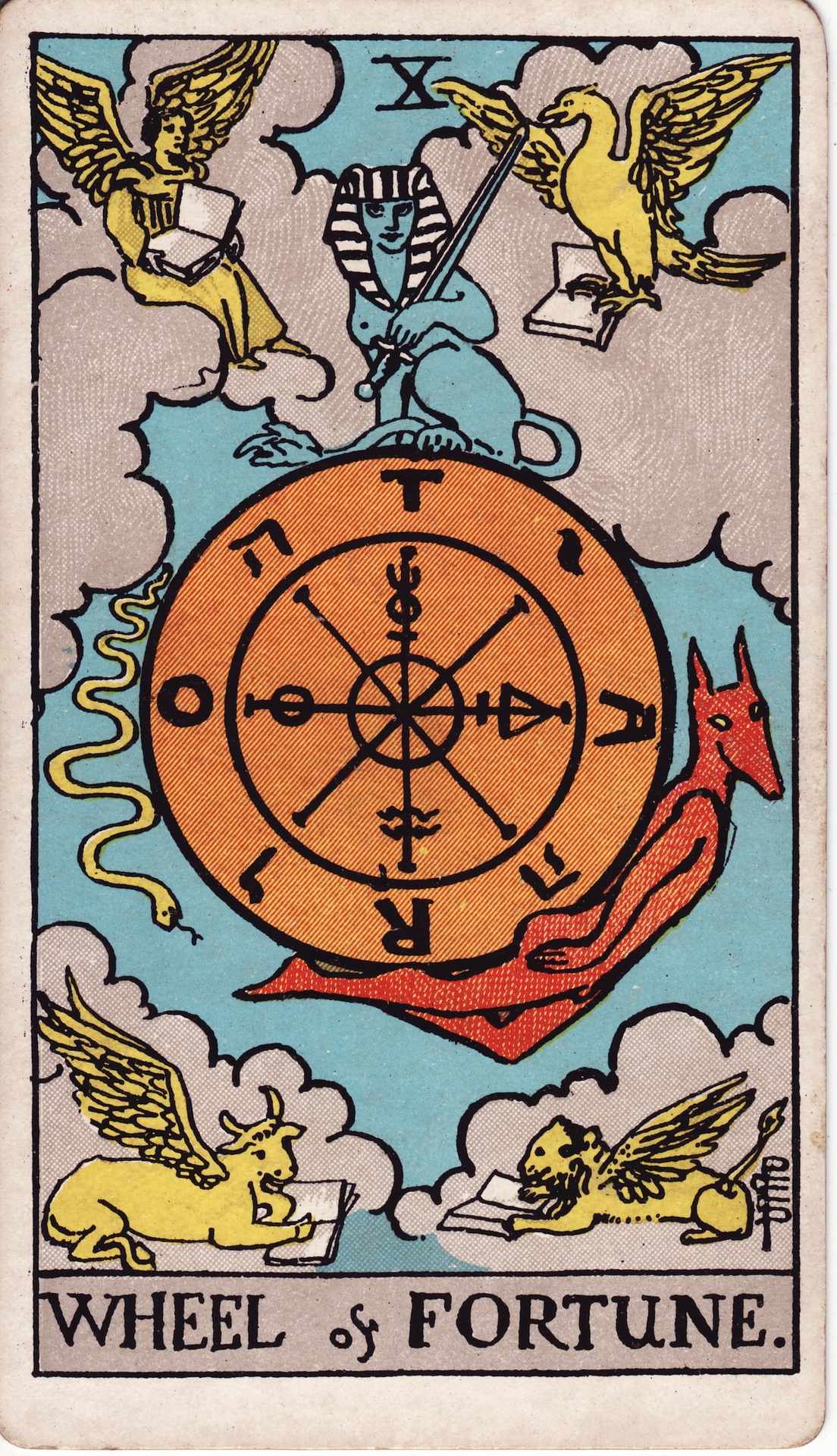
Central to this exploration is the practice of divination, a timeless and manifold art that seeks to uncover hidden truths and predict future events.
The Nexus of Divination and Divine Knowledge
Divination, in its various forms, is closely wedded with the concept of divine knowledge. This profound understanding of the universe and human nature is essential to true divination, allowing practitioners to access hidden truths and future events. The Tarot system, I-Ching, and other divination methods serve as tools for tapping into this divine knowledge, providing a framework for interpreting the complexities of human existence.
The Perfect Initiate: A Key to Unlocking Divination's Secrets
The perfect initiate, or Magus, serves an essential office in the practice of divination. This individual possesses the unique ability to read the truth and sense impressions, allowing them to navigate the mystical realms with ease. The Magus serves as a conduit for divine knowledge, bridging the gap between the mundane and the unknown.
Moral Disorders and the Holistic Approach to Healing
Divination, through the insight of the Magus, can provide understanding of the moral disorders underlying many diseases. This highlights a holistic approach to healing, where the soul is addressed before bodily ailments. By acknowledging the sympathy of human nature and the universe, divination offers a profound perspective on the human condition.
The Shadow of Human Nature: Confronting the Darkness
Divine knowledge can reveal the hidden truths of human nature, addressing the darkness of man's heart and promoting spiritual insight. This confrontation with the shadow self allows individuals to transcend their limitations, embracing a more profound understanding of themselves and the world.
The Illusion of Authenticity: Juggling and Sleight of Hand
Juggling and sleight of hand are methods diviners might use to create an illusion of authenticity, affirming the role of discernment in the pursuit of wisdom. This dichotomy between genuine insight and deception serves as a reminder of the complexities and challenges inherent in the practice of divination.
Bibliographia & Fontes
Primary Source Books Used in This Article
The doctrines, historical citations, and symbolic correspondences synthesized in this article are drawn from the following primary works and chapters:
- I.Arthur Edward Waite, The Pictorial Key to the Tarot1910
Being Fragments of a Secret Tradition under the Veil of Divination
- II.Éliphas Lévi, Transcendental Magic: Its Doctrine and Ritual (Dogme et Rituel de la Haute Magie)1856 / 1896 trans.
Translated and Annotated by A. E. Waite
Chapters / Sections Consulted:Part II: The Ritual of Transcendental Magic - III.A. E. Thierens, The General Book of the Tarot1930
Containing the Astrological Key to the Esoteric Tradition of the Greater and Lesser Arcana (Intro. by A. E. Waite)
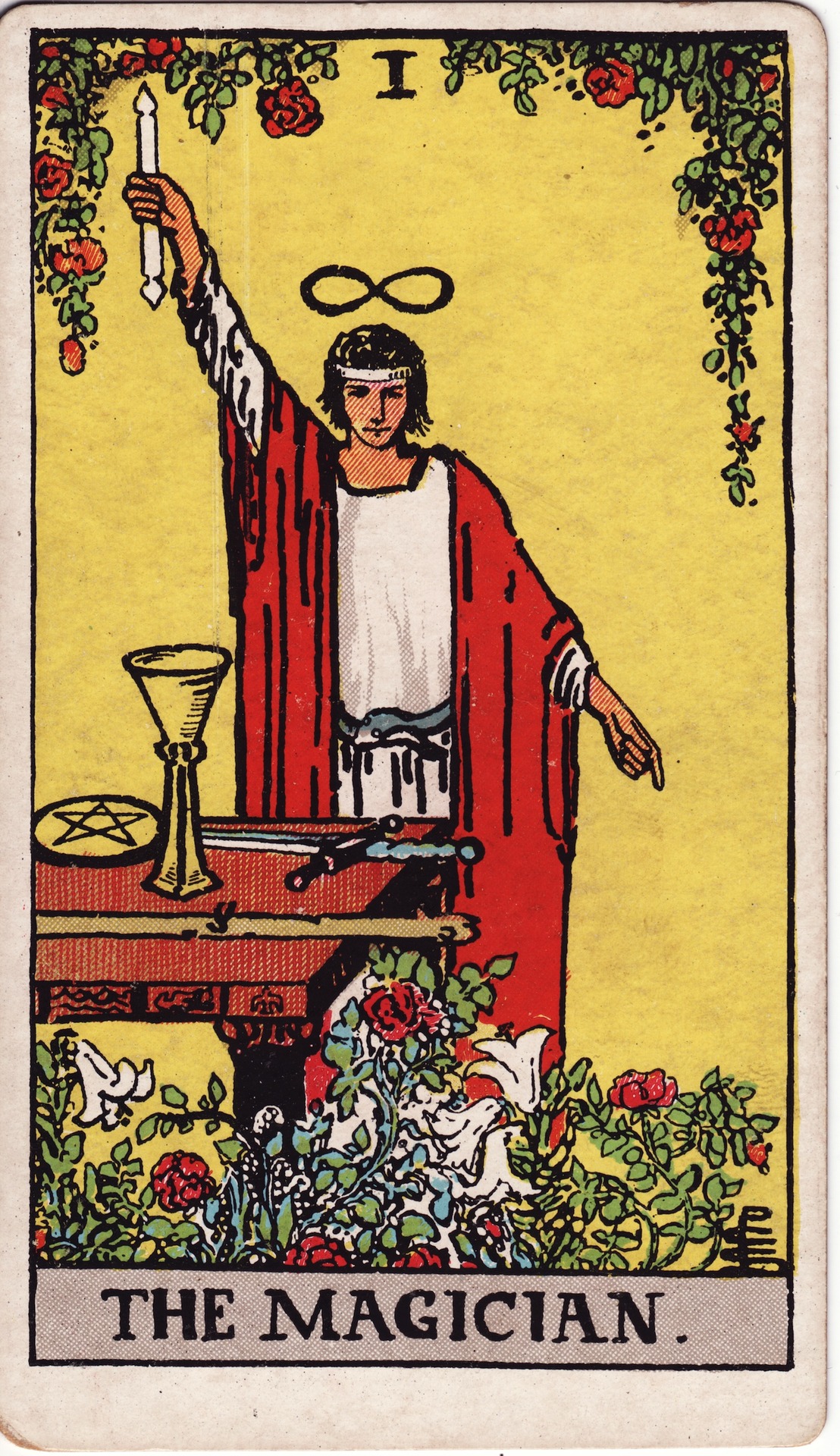
The Tarot of the Bohemians (Papus / Gérard Encausse)
The absolute key to occult science: the classic nineteenth-century treatise uniting the twenty-two Major Arcana with Kabbalistic Hebrew letters, tetragrammaton progressions, and astrological synthesis.