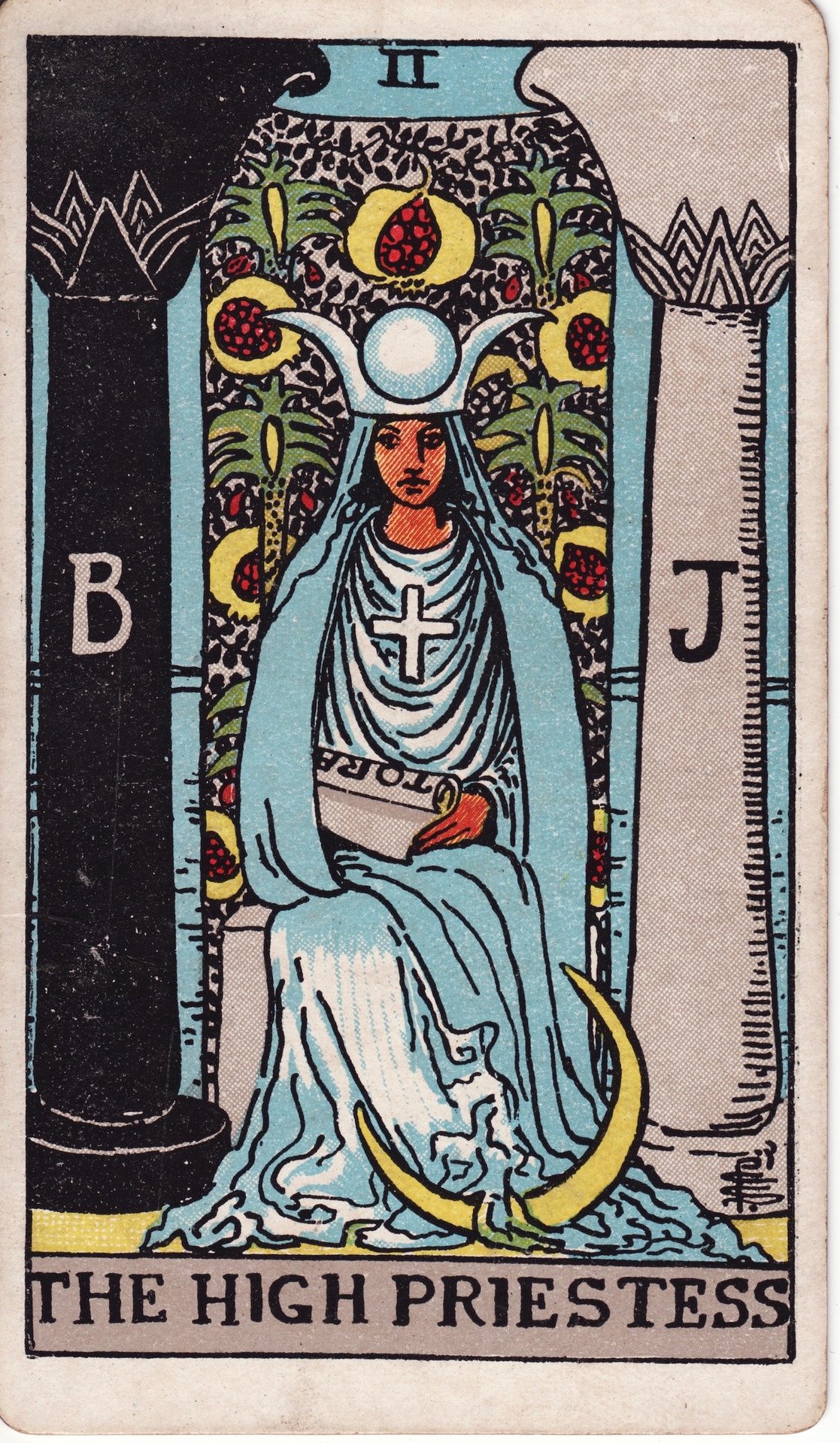
The Tarot, a complex system of symbolism and divination, has undergone significant transformations throughout its history. This essay synthesizes the philosophical contributions of key figures, such as Court de Gebelin and Dr. Papus, to understand the evolution of Tarot symbolism. By examining the relationships among these traditions, including the Major and Minor Arcana, Ancient Egypt, and Freemasonry, this essay reveals the intricate web of esoteric knowledge that underlies the Tarot.
The Foundational Contributions of Court de Gebelin
Court de Gebelin, a French scholar and high-grade Freemason, laid the groundwork for modern Tarot studies. His work, "Monde Primitif," posited that the Tarot originated in ancient Egypt, proposing a symbolic and esoteric interpretation of the cards. Gebelin's theories, although disputed, significantly influenced later Tarot studies and interpretations. The High Priestess, a key figure in Gebelin's interpretation, represents a blend of Egyptian and philosophical wisdom.
The Evolution of Tarot Symbolism: Dr. Papus and the Trumps Major
Papus, a renowned French occultist and tarotist, built upon Gebelin's work, introducing innovative imagery and interpretations. His scheme for the Trumps Major focused on numerical sequence and interrelation within the Divine World, Macrocosm, and Microcosm. The Trumps Major, comprising 22 central cards in a Tarot deck, are a fundamental component of the broader tradition and practice of Tarot divination. These cards are intricately woven into the fabric of the Major Arcana, serving as essential symbols that guide the querent through a spiritual and philosophical journey.
Tarot Symbolism: Minor Arcana and Freemasonry
The Minor Arcana, often associated with everyday life and emotions, are interconnected with the Major Arcana, providing additional symbolic depth and elaboration. The Secret Tradition in Freemasonry, which encompasses esoteric knowledge and practices, is symbolically depicted in the rituals and emblems of the Craft. The Trumps Major form part of this Secret Tradition, suggesting the transmission of esoteric knowledge.
The Legacy of the Tarot of Bologna and the British Museum
The Tarot of Bologna, possibly created by the Prince of Pisa, is believed to be a significant source of inspiration for the Major Arcana in Tarot decks. This deck combined elements from minor and philosophical cards, merging different aspects of symbolism and numerology into a cohesive system. The British Museum, a repository of world art and culture, houses a significant collection of Tarot cards and related materials, including the Last Judgment card.
Bibliographia & Fontes
Primary Source Books Used in This Article
The doctrines, historical citations, and symbolic correspondences synthesized in this article are drawn from the following primary works and chapters:
- I.Arthur Edward Waite, The Pictorial Key to the Tarot1910
Being Fragments of a Secret Tradition under the Veil of Divination
- II.Papus (Gérard Encausse), The Tarot of the Bohemians1889
Classical Primary Source Referenced in Text
Further Inquiry in This Cycle
Companion Studies & Disputations
Court De Gebelin: The Esoteric Significance of Tarot
This essay examines the esoteric significance of Tarot, specifically examining the contributions of Court de Gebelin, a French scholar and high-grade…
The Esoteric Nexus of the Last Judgment and the British Museum
This essay explores the symbolic and spiritual significance of the Last Judgment concept, as reflected in the context of tarot cards, and its relationship…
Trumps Major: The Evolution of Tarot Symbolism
By examining the relationships between key figures, such as Dr. Papus, and the development of Tarot decks, including the Tarot of Bologna, we uncover a…
M. Picard: The Esoteric Roots of Tarot
This essay examines the esoteric foundations of Tarot, specifically examining the roles of the Gissies and M. Picard in its introduction and historical…
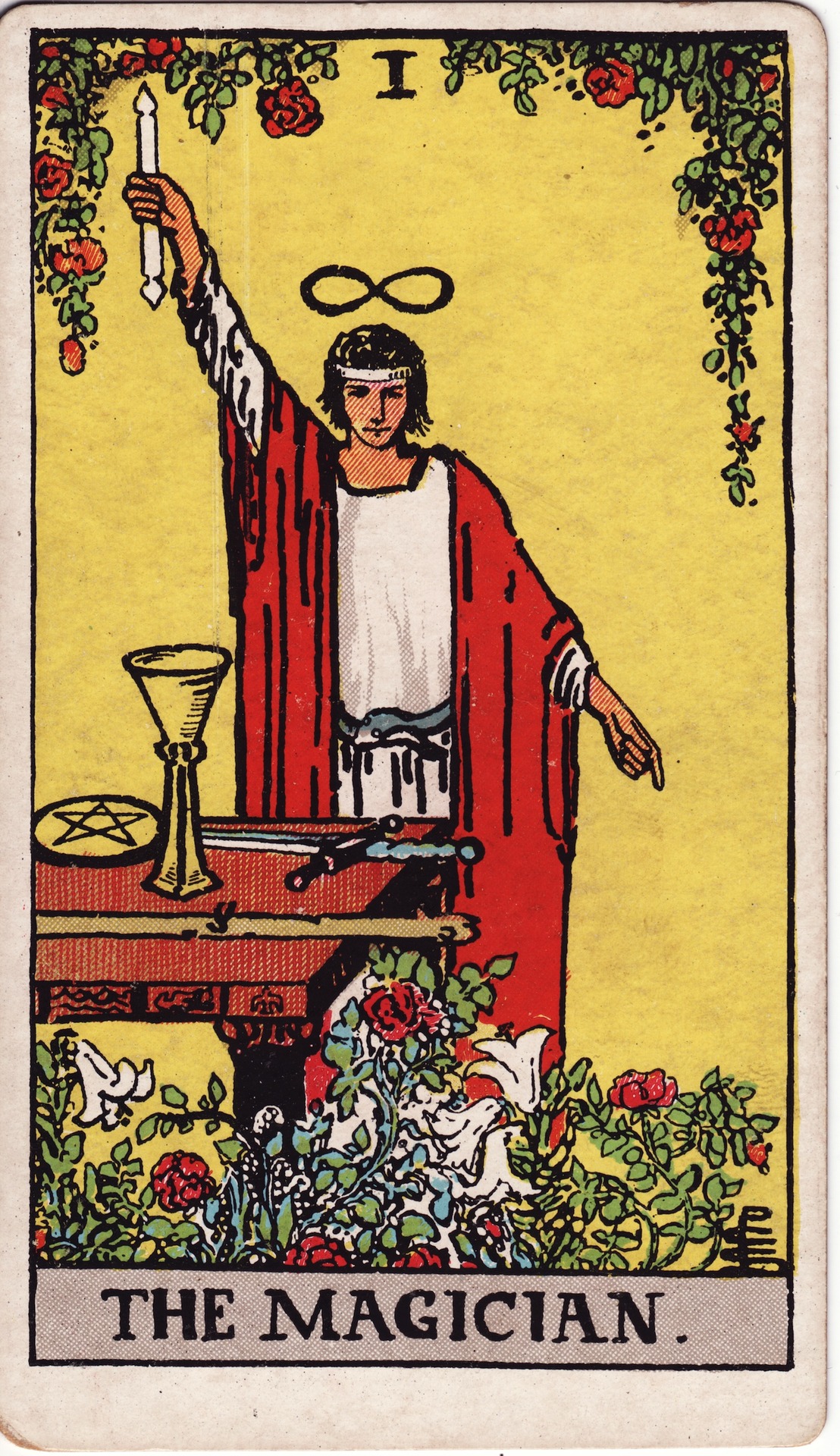
The Tarot of the Bohemians (Papus / Gérard Encausse)
The absolute key to occult science: the classic nineteenth-century treatise uniting the twenty-two Major Arcana with Kabbalistic Hebrew letters, tetragrammaton progressions, and astrological synthesis.