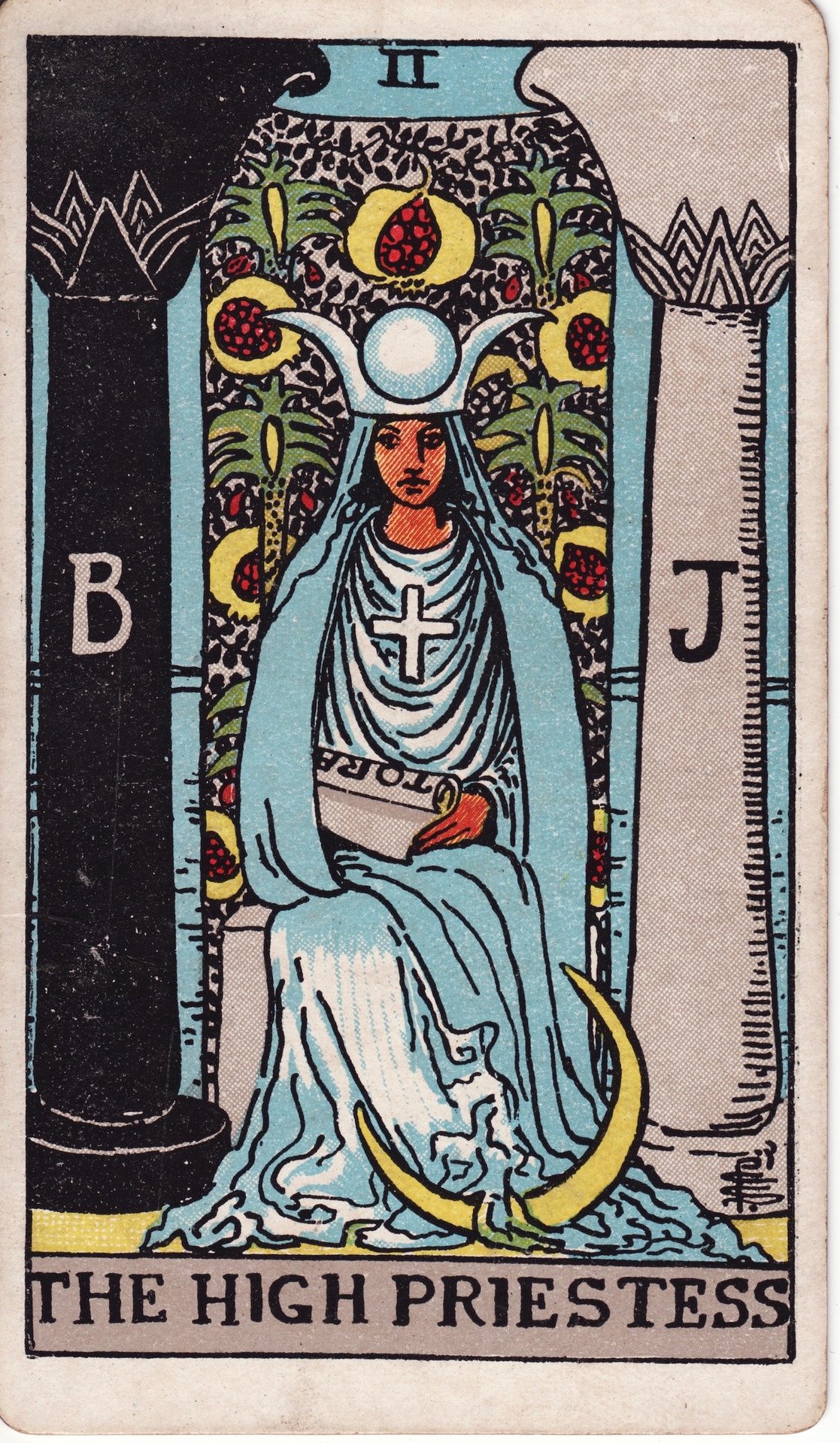
In the study of the esoteric data points surrounding the Venus tradition, with a focus on the manifold entity of Venus, the Roman goddess of love, beauty, and fertility. Through an examination of various representations, associations, and relationships, this analysis reveals the complex and diverse roles of Venus in spiritual, astrological, and cultural contexts, highlighting its enduring significance as a symbol of love, beauty, and harmony.
The Multifaceted Goddess
Venus, the Roman goddess of love, beauty, and fertility, is a complex entity with various representations and associations. In classical mythology and contemporary spiritual contexts, Venus is symbolized by a star or a dove, reinforcing its associations with celestial beauty and purity. In talismanic rituals, Venus is represented by a G, emphasizing its role in positive spells and ceremonies. The Sephirothic Tree also acknowledges Venus as a significant planetary concept, symbolizing beauty and love, aligning with the qualities of goodness, favor, and benevolence.
Astrological and Metaphysical Significance
Astrologically and metaphysically, Venus is contrasted with Mars as a symbol of benefic, love, and relationships. Its association with the element of fire in the suit of pentacles further emphasizes its connection with qualities like love, beauty, and harmony. The representation of Venus through a green color symbolizes the mystery of generation and resurrection, often linking it to the Holy Grail. These varied representations and associations underscore Venus's complex and diverse roles in various spiritual, astrological, and cultural contexts.
Relationships and Influences
The relationships between Venus and other entities provide further insight into its manifold nature. Angle Anael, a character symbolizing Venus, influences marriage, signifying purity and divine love. The letter כ (K) represents life, power, peace, and grace, and Venus, highlighting its dominance in the universe. LA, corresponding to Venus in the planetary arrangement for tone and color analogies, holds significant cultural and astrological importance, aligning with Venus's attributes related to love, beauty, harmony, and artistry.
Governance and Influence
Venus governs various aspects of human experience, including marriage, religious rituals, and the transitional stage from childhood to adulthood, known as adolescence. The planet's significant role in the transition from childhood to maturity is reflected in its association with adolescence. Venus is a component of the astrological and gemological system associated with specific gemstones, highlighting its enduring significance in various cultural and spiritual contexts.
Bibliographia & Fontes
Primary Source Books Used in This Article
The doctrines, historical citations, and symbolic correspondences synthesized in this article are drawn from the following primary works and chapters:
- I.Manly P. Hall, The Secret Teachings of All Ages1928
An Encyclopedic Outline of Masonic, Hermetic, Qabbalistic and Rosicrucian Symbolical Philosophy
Chapters / Sections Consulted:Ch. “The Qabbalah, the Secret Doctrine of Israel” · Ch. “Stones, Metals, and Gems” · Ch. “The Pythagorean Theory of Music and Color” · Ch. “The Zodiac and Its Signs” - II.Éliphas Lévi, Transcendental Magic: Its Doctrine and Ritual (Dogme et Rituel de la Haute Magie)1856 / 1896 trans.
Translated and Annotated by A. E. Waite
Chapters / Sections Consulted:Part II: The Ritual of Transcendental Magic
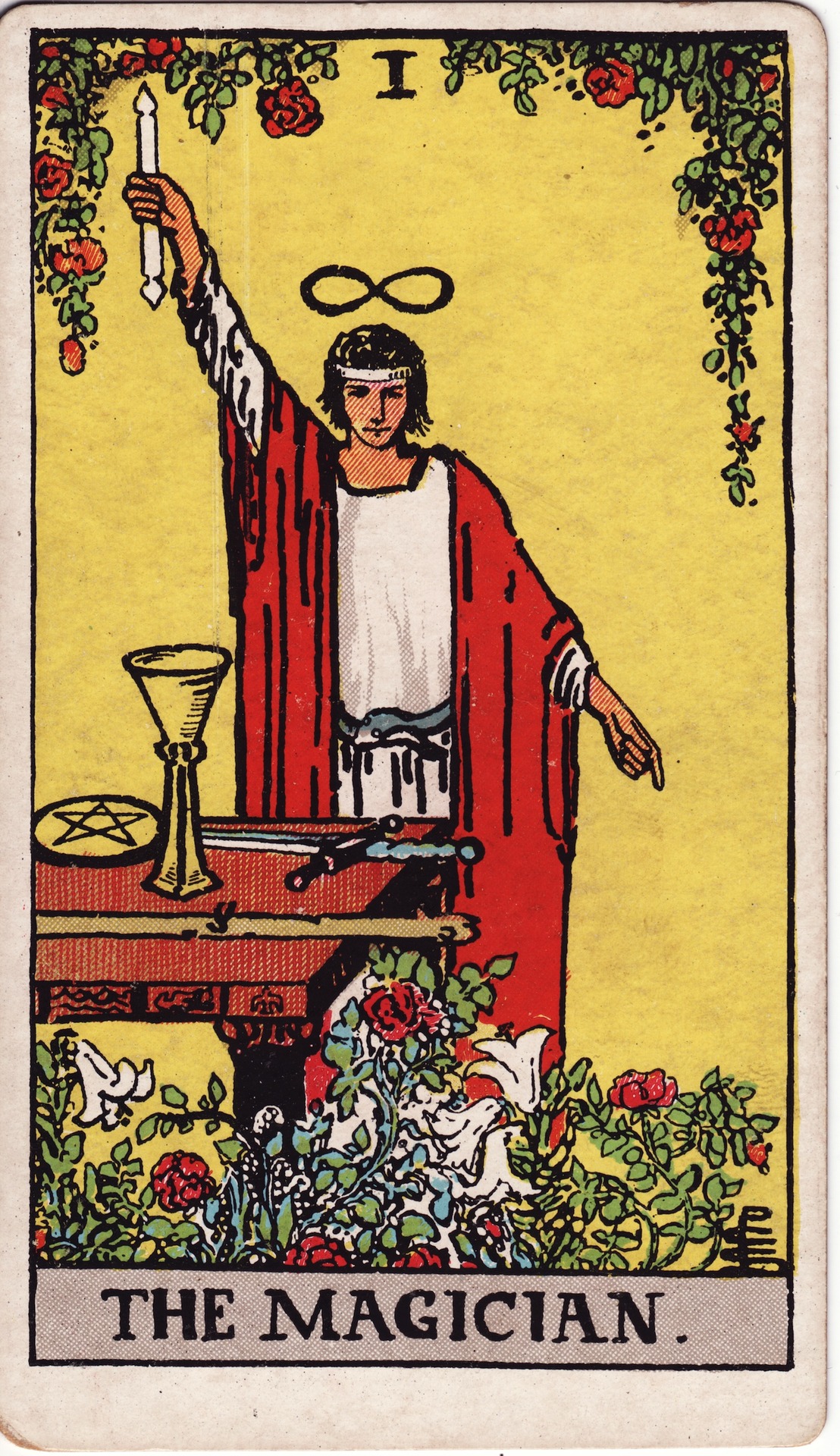
The Tarot of the Bohemians (Papus / Gérard Encausse)
The absolute key to occult science: the classic nineteenth-century treatise uniting the twenty-two Major Arcana with Kabbalistic Hebrew letters, tetragrammaton progressions, and astrological synthesis.