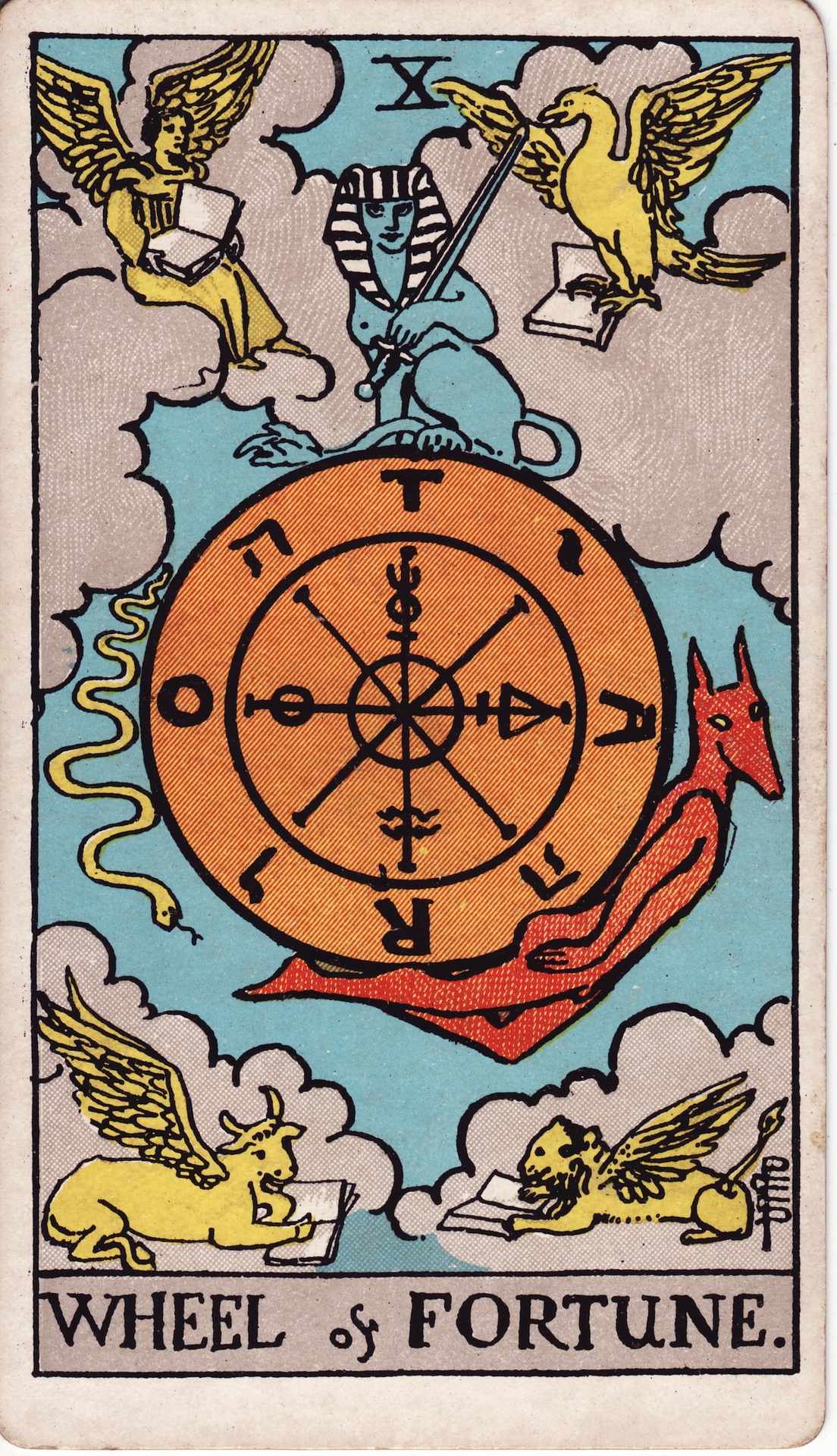
In the study of the profound philosophical and symbolic significance of the Temple, a central structure in various spiritual traditions. By examining the intricate sympathies among these principles such as the High Priest, Sacrifice, and Sacred Furniture, we will uncover the deeper meanings and principles that underlie the Temple's importance. This synthesis will reveal the Temple as a nexus of spiritual, cultural, and historical significance, embodying eternal principles that transcend physical existence.
The Temple as a Nexus of Spiritual Significance
The Temple is a manifold entity that serves as a physical and symbolic hub, embodying spiritual, cultural, and historical significance. As a central structure in various traditions, the Temple represents a profound metaphor for deep spiritual and moral principles. In the context of the early Jewish Mysteries, the Temple is used metaphorically to represent Adam, highlighting the symbolic significance of the number 46. This number is described as having particular meaning in the early Jewish mystical texts.
The Temple's significance is further underscored by its relationship with the High Priest, who holds a central place in maintaining religious practices and rituals. The High Priest's attire, including the Triple Miter, symbolizes divine rule and spiritual authority. The High Priest's performance of sacrificial rituals, such as the Sacrifice, represents divine worship and spiritual authority, highlighting the intricate connection between the Temple and the High Priest.
The Interplay between Entities and Relationships
The sympathies among these principles, such as the Temple, Image, and Sacred Furniture, reveal a deeper philosophical significance. The Temple's connection to the Image, which should not be destroyed, suggests a relationship related to religious belief and practice. The Notary, associated with the church, and the Clergyman, a religious figure, represent authority in various contexts, affirming the role of institutional and spiritual authority.
The Cubit, an ancient measuring unit, played a essential part in the construction of the Temple, ensuring precise and cohesive construction practices. The consistent application of Cubits in building plans and physical structures contributed to the accuracy and uniformity of the Temple's design and construction.
The Eternal God's Temple and the Everlasting House
The Temple built by Solomon is referred to as the Eternal God's Temple, emphasizing its grandeur and significance. The Everlasting House, synonymous with the Temple of Jerusalem, highlights the Temple's importance as a symbol of eternal principles. The contrast with Dagon's Temple serves to demonstrate the superiority of Solomon's temple, further emphasizing its significance.
Bibliographia & Fontes
Primary Source Books Used in This Article
The doctrines, historical citations, and symbolic correspondences synthesized in this article are drawn from the following primary works and chapters:
- I.Manly P. Hall, The Secret Teachings of All Ages1928
An Encyclopedic Outline of Masonic, Hermetic, Qabbalistic and Rosicrucian Symbolical Philosophy
Chapters / Sections Consulted:Ch. “The Tabernacle in the Wilderness” · Ch. “Qabbalistic Keys to the Creation of Man” · Ch. “The Hiramic Legend” - II.Éliphas Lévi, Transcendental Magic: Its Doctrine and Ritual (Dogme et Rituel de la Haute Magie)1856 / 1896 trans.
Translated and Annotated by A. E. Waite
Chapters / Sections Consulted:Part II: The Ritual of Transcendental Magic - III.A. E. Thierens, The General Book of the Tarot1930
Containing the Astrological Key to the Esoteric Tradition of the Greater and Lesser Arcana (Intro. by A. E. Waite)
Further Inquiry in This Cycle
Companion Studies & Disputations
The Temple as a Nexus of Divine Connection
Through an analysis of the sympathies among these principles such as Sacrifice, Image, High Priest, and God's Gaze, this synthesis reveals the Temple's…
The Eternal God's Temple
Through a careful examination of the relationships between these figures and symbols, we will trace the significance of the Eternal God's Temple, exploring…
Notary: The Interplay of Authority
By examining the roles and associations of these figures and symbols, we reveal a complex interplay of authority, highlighting the nuanced dynamics between…
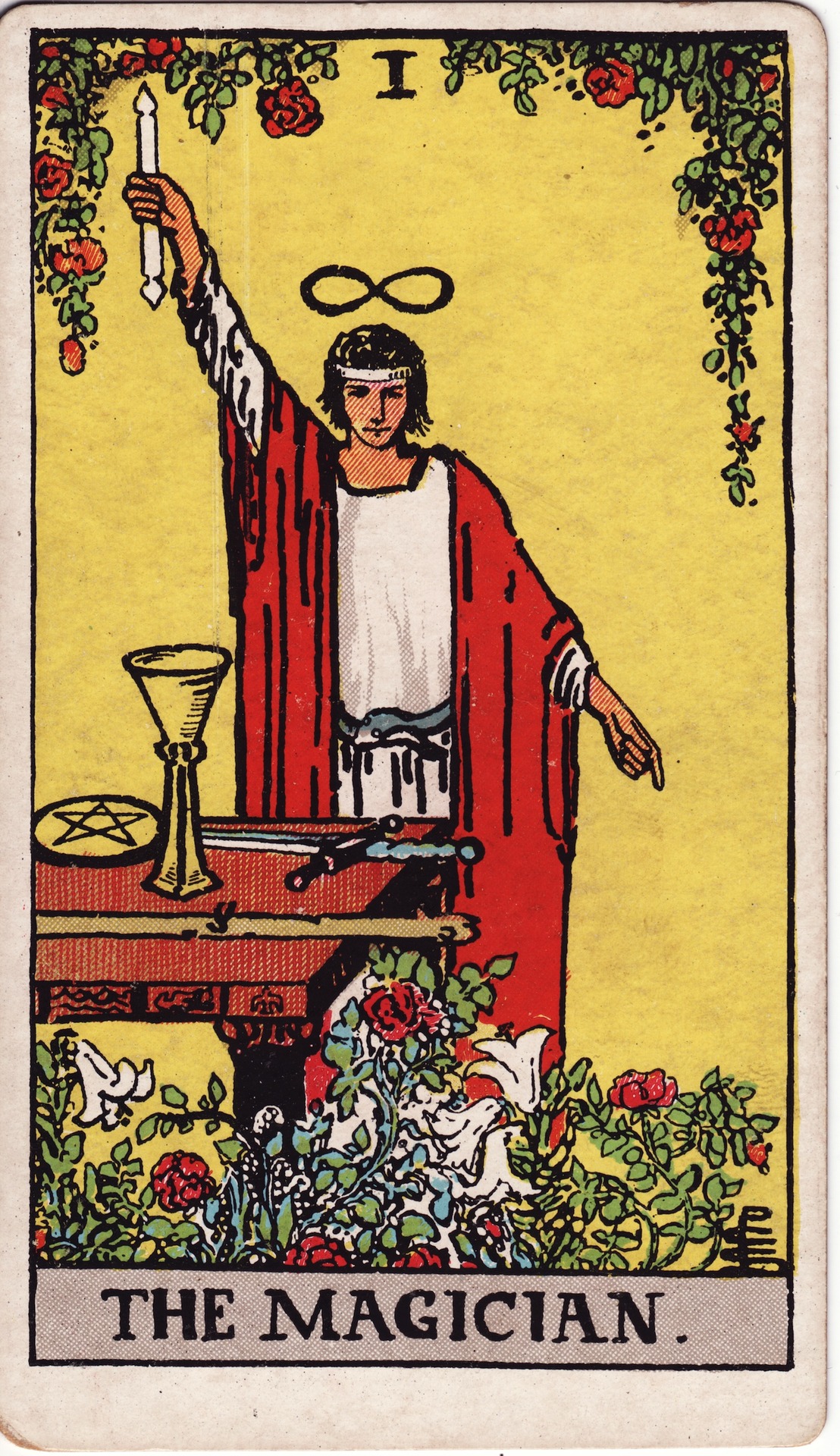
The Tarot of the Bohemians (Papus / Gérard Encausse)
The absolute key to occult science: the classic nineteenth-century treatise uniting the twenty-two Major Arcana with Kabbalistic Hebrew letters, tetragrammaton progressions, and astrological synthesis.