By examining the principles and correspondences presented, we will uncover a rich body of ideas that reveal the harmony of divinity and its manifold nature. This synthesis will demonstrate how the various concepts and relationships within this esoteric current converge to form a cohesive philosophical narrative.
The Interplay of Divinity and Wisdom
Central to this hermetic lineage is the concept of Divinity, a fundamental principle that embodies the dual nature of necessity and liberty. This dichotomy is reflected in the balance between existence and the interplay of constraint and freedom. The incarnation of Osiris in the Apis, a sacred bull worshipped in ancient Egypt, highlights the material and spiritual dimensions of Divinity. The creation of Sor-Apis, a material soul that rules the body, demonstrates the intricate relationship between the physical and metaphysical realms.
The relationships between Divinity and other concepts within this esoteric current reveal a profound connection to Wisdom, Goodness, and Power of the Creator. Divinity provides the means to comprehend this wisdom, while Christiano-Kabalistic and Physico-chemical methods are utilized to explore and understand the Creator's nature. The Wise Man's House, a metaphorical institution of learning, serves as the place where Divinity inspires and teaches individuals about Wisdom, Goodness, and Power of the Creator.
The Ram and the Lamb of God: Symbolism and Salvation
The Ram, as a zodiacal sign, is symbolically identified with the Lamb of God, representing rebirth, divinity, and salvation from sins. This association demonstrates the dynamic interplay of opposing energies within the cosmic order, reflecting themes of salvation and lordship. The Lamb of God, an ancient title for the sun, embodies divine love, representing the sacrificial act of God and the unconditional love it symbolizes.
The relationships between the Ram, Lamb of God, and Divinity reveal a profound connection to the sun's annual renewal and the vernal equinox. The Lamb of God, as a divine title, reflects its role in saving humanity from sins and bringing peace. This symbolism highlights the transformative power of divine love, which nurtures the soul and embodies an expansive, transformative power.
Platonists and the Wise Man's House: A Pathway of Enlightenment
The Platonists, a philosophical group that followed the teachings of Plato, recognized the concept of the Wise Man's House as a pathway of enlightenment. Their emphasis on the distinction between the concrete and abstract realms, as well as the importance of intellectual and moral cultivation, demonstrates the significance of philosophical inquiry and the pursuit of truth.
The Wise Man's House, as a metaphorical institution of learning, serves as the place where individuals engage in contemplative and investigative practices. This pathway of enlightenment is integral to the Platonists' philosophy, highlighting the complexity of human understanding and the importance of acknowledging two forms of ignorance.
Bibliographia & Fontes
Primary Source Books Used in This Article
The doctrines, historical citations, and symbolic correspondences synthesized in this article are drawn from the following primary works and chapters:
- I.Manly P. Hall, The Secret Teachings of All Ages1928
An Encyclopedic Outline of Masonic, Hermetic, Qabbalistic and Rosicrucian Symbolical Philosophy
Chapters / Sections Consulted:Ch. “Conclusion” · Ch. “The Zodiac and Its Signs”
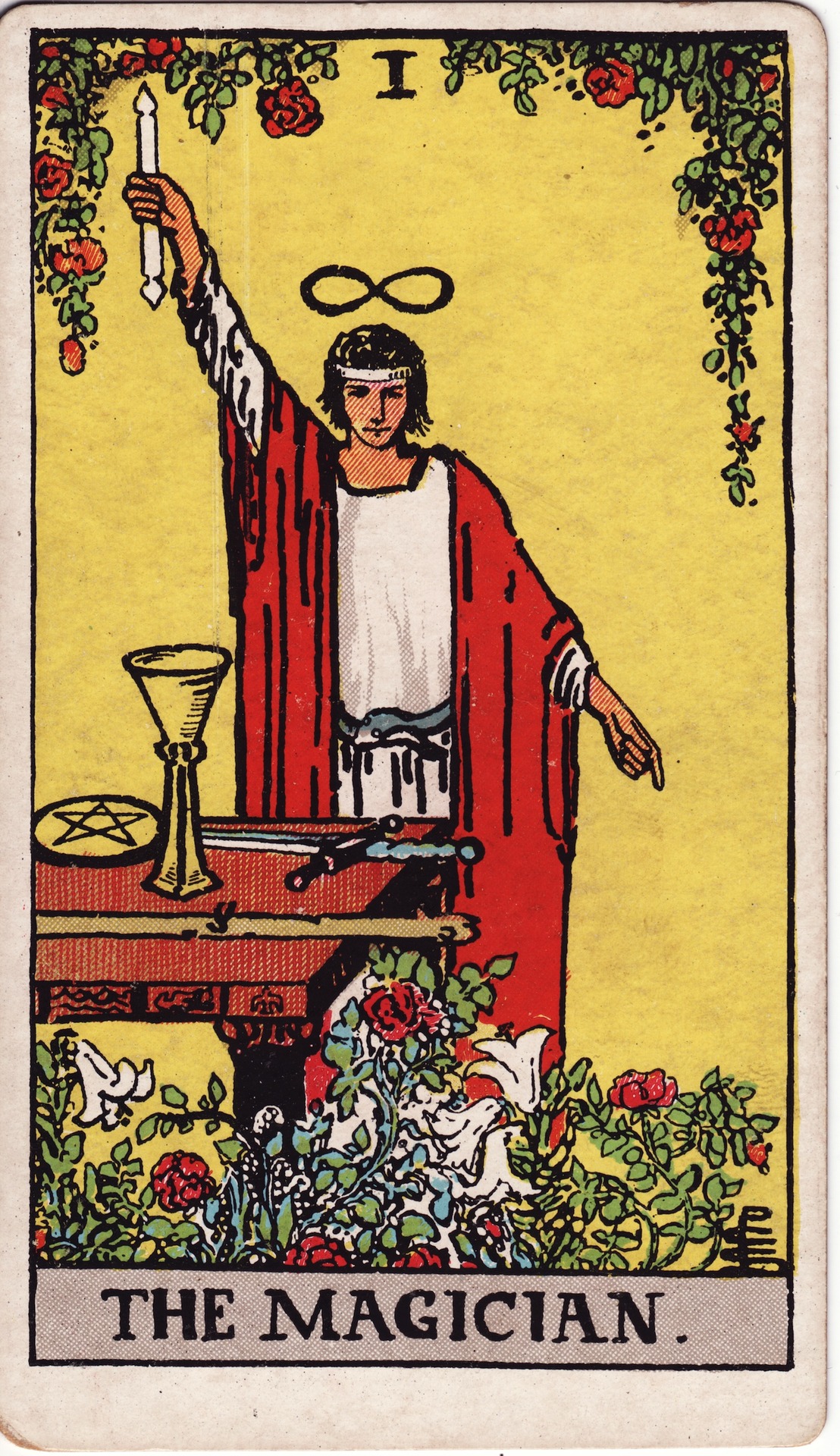
The Tarot of the Bohemians (Papus / Gérard Encausse)
The absolute key to occult science: the classic nineteenth-century treatise uniting the twenty-two Major Arcana with Kabbalistic Hebrew letters, tetragrammaton progressions, and astrological synthesis.