At its core, the community's focus revolves around the Tarot Clavicle, with the Tower serving as a pivotal symbol of transformation, chaos, and renewal. Through a careful analysis of the surviving literature points, this synthesis aims to uncover the underlying philosophical themes and connections that bind these concepts together.
The Hieroglyph of Truth and Deceit
The Hieroglyph, Kether, and Hieroglyph, the Devil, represent two sides of the same coin, embodying the dualities of truth and falsehood, morality and corruption. As Etteilla's interpretation suggests, these symbols occupy a central role in the Tarot, reflecting the complexities of human nature and the esoteric traditions that seek to understand it. The Hieroglyph, Kether, symbolizes the kabalist crown and the essence of truth, while Hieroglyph, the Devil, represents the forces of chaos and rebellion, highlighting the delicate balance between light and darkness.
The Tower: A Structure of Transformation
The Tower, symbolized by Le Feu du Ciel, serves as a potent representation of sudden change, upheaval, and the destruction of old structures. Struck by a lightning bolt from the sun, the Tower signifies the fall of a corrupt system and the destruction of divine nature due to materialism. This edifice, with its distinctive battlements resembling a crown, represents a moment of dramatic transformation, where false beliefs and illusions are shattered to pave the way for new beginnings and divine insight.
The Houses of Life, Falsehood, and Doctrine
The concepts of the House of Life, House of Falsehood, and House of Doctrine are inextricably linked to the Tower's symbolism. The House of Life, destroyed by evil, and the House of Falsehood, illustrating the Tower concept, highlight the parallel aspects of falling into corruption. The House of Doctrine, relating to the idea of destruction and ruin in a more spiritual sense, demonstrates the intellectual and philosophical dimensions of the catastrophe.
Relationships and Connections
The relationships between these figures and symbols reveal a network of connections. The Tower's association with Hieroglyph, the Devil, symbolizes spiritual and moral decline, while the connection between Hieroglyph, Kether, and Hieroglyph, the Devil, highlights the oppositional forces of truth and falsehood. The House of Life's relationship with the House of Falsehood and the House of Doctrine emphasizes the interplay between corruption, destruction, and spiritual renewal.
Catastrophe and Transformation
The concept of Catastrophe, symbolizing the fall or ruin, serves as a unifying thread throughout these relationships. The Tower's fall is part of this catastrophe, representing a moment of dramatic transformation on an intellectual, rather than literal, level. The House of Life's ruin is tied to this broader concept, demonstrating the sympathy of these esoteric symbols.
The esoteric symbolism of this hermetic lineage reveals a rich body of philosophical themes and connections. The Tower, as a structure of transformation, serves as a pivot point for understanding the dualities of truth and falsehood, morality and corruption. Through its relationships with Hieroglyph, Kether, Hieroglyph, the Devil, and the Houses of Life, Falsehood, and Doctrine, the Tower illuminates the complexities of human nature and the esoteric traditions that seek to comprehend it. This synthesis offers a nuanced understanding of the catastrophic forces that shape our lives, inviting us to contemplate the transformative power of chaos and renewal.
Bibliographia & Fontes
Primary Source Books Used in This Article
The doctrines, historical citations, and symbolic correspondences synthesized in this article are drawn from the following primary works and chapters:
- I.Arthur Edward Waite, The Pictorial Key to the Tarot1910
Being Fragments of a Secret Tradition under the Veil of Divination
- II.Franz Hartmann, In the Pronaos of the Temple of Wisdom / Philosophy of the Rosicrucians and Alchemists1890
Containing the History of the True and the False Rosicrucians and the Principles of Alchemy
- III.Éliphas Lévi, Transcendental Magic: Its Doctrine and Ritual (Dogme et Rituel de la Haute Magie)1856 / 1896 trans.
Translated and Annotated by A. E. Waite
Chapters / Sections Consulted:Part II: The Ritual of Transcendental Magic
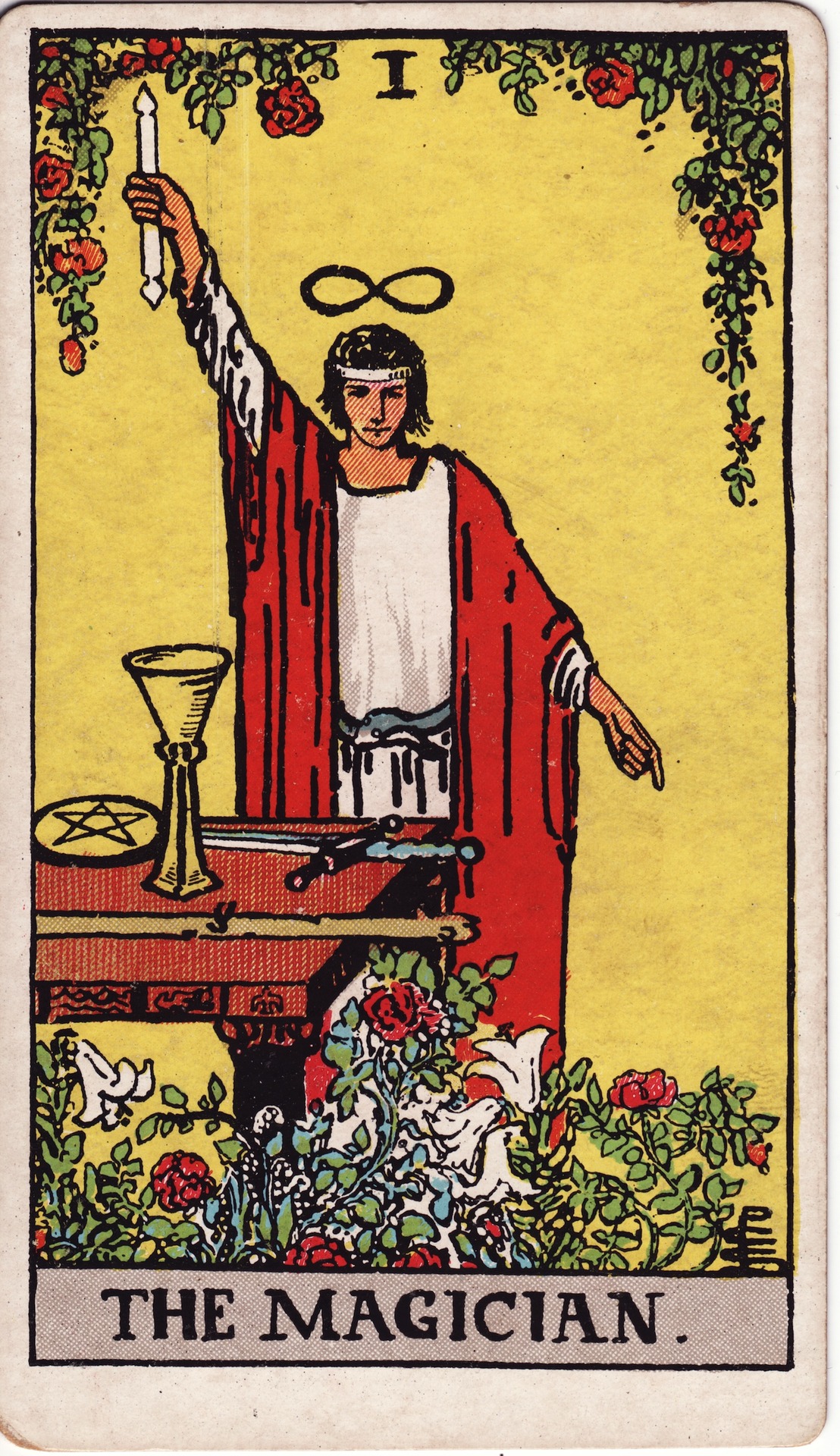
The Tarot of the Bohemians (Papus / Gérard Encausse)
The absolute key to occult science: the classic nineteenth-century treatise uniting the twenty-two Major Arcana with Kabbalistic Hebrew letters, tetragrammaton progressions, and astrological synthesis.