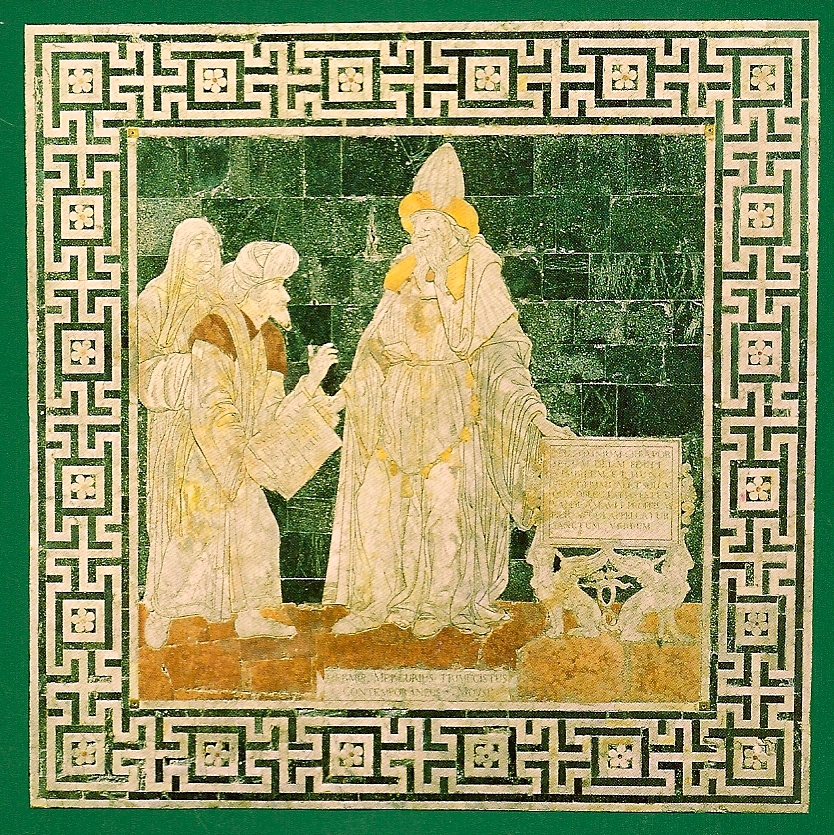
The Great Spirit tradition's philosophical framework revolves around a network of symbolism, centered on the concept of eternal peace as decreed by the Great Spirit. Through a careful analysis of these concepts and their sympathy, we gain insight into the community's understanding of the universe, the nature of divinity, and the human condition.
Historical & Symbolic Context
Central to this hermetic lineage's philosophy is the Sacred Stone, a symbol of eternal peace decreed by the Great Spirit. This supreme being, often symbolized by natural phenomena like the sun, is the source of all creation and the embodiment of divine power. The Great Spirit's relationship with the Sacred Stone establishes a fundamental connection between the divine and the pursuit of peace.
The White Mountain, one of the four sacred mountains of the Navaho, serves an essential office in this cosmology. As a symbol of day, it represents the light of the Great Spirit and serves as a nexus for the seven major deities. Each deity, associated with a specific mountain, embodies a distinct aspect of the divine. Bakocho, one of these deities, represents light and ascension, drawing parallels with Christ-like figures in other spiritual traditions.
The Great Serpent Mound, a structure built by the Indians, symbolizes the light and power of the Great Serpent, emanating from White Mountain. This serpent, often depicted in sand paintings, represents both physical and symbolic existence, demonstrating the sympathy of the material and spiritual realms. The hunched gods, born of the Great Serpent, are represented as clouds, further emphasizing the connection between the divine and natural phenomena.
Kahothsode, the fish god, is a pivotal figure in this mythology. Created by the Great Spirit to save the nations from destruction, Kahothsode brings about a great flood as a means of salvation. This transformative event symbolizes redemption and serves as a testament to the Great Spirit's power to shape the course of human history.
The Wide Swastika, a central symbol in Navaho sand paintings, represents the four corners of the world, with the eastern direction symbolized by the light of the White Mountain. This swastika, often associated with the cyclical nature of time and space, reinforces the community's understanding of the universe as an interconnected, harmonious system.
The Great Spirit tradition's philosophical framework presents a rich, symbolic landscape that weaves together traditional doctrines and relationships to convey a profound understanding of the universe and humanity's place within it. Through the Sacred Stone, Great Spirit, White Mountain, and other concepts, this tradition offers a compelling vision of eternal peace, divine power, and the sympathy of all things.
Bibliographia & Fontes
Primary Source Books Used in This Article
The doctrines, historical citations, and symbolic correspondences synthesized in this article are drawn from the following primary works and chapters:
- I.Manly P. Hall, The Secret Teachings of All Ages1928
An Encyclopedic Outline of Masonic, Hermetic, Qabbalistic and Rosicrucian Symbolical Philosophy
Chapters / Sections Consulted:Ch. “American Indian Symbolism”
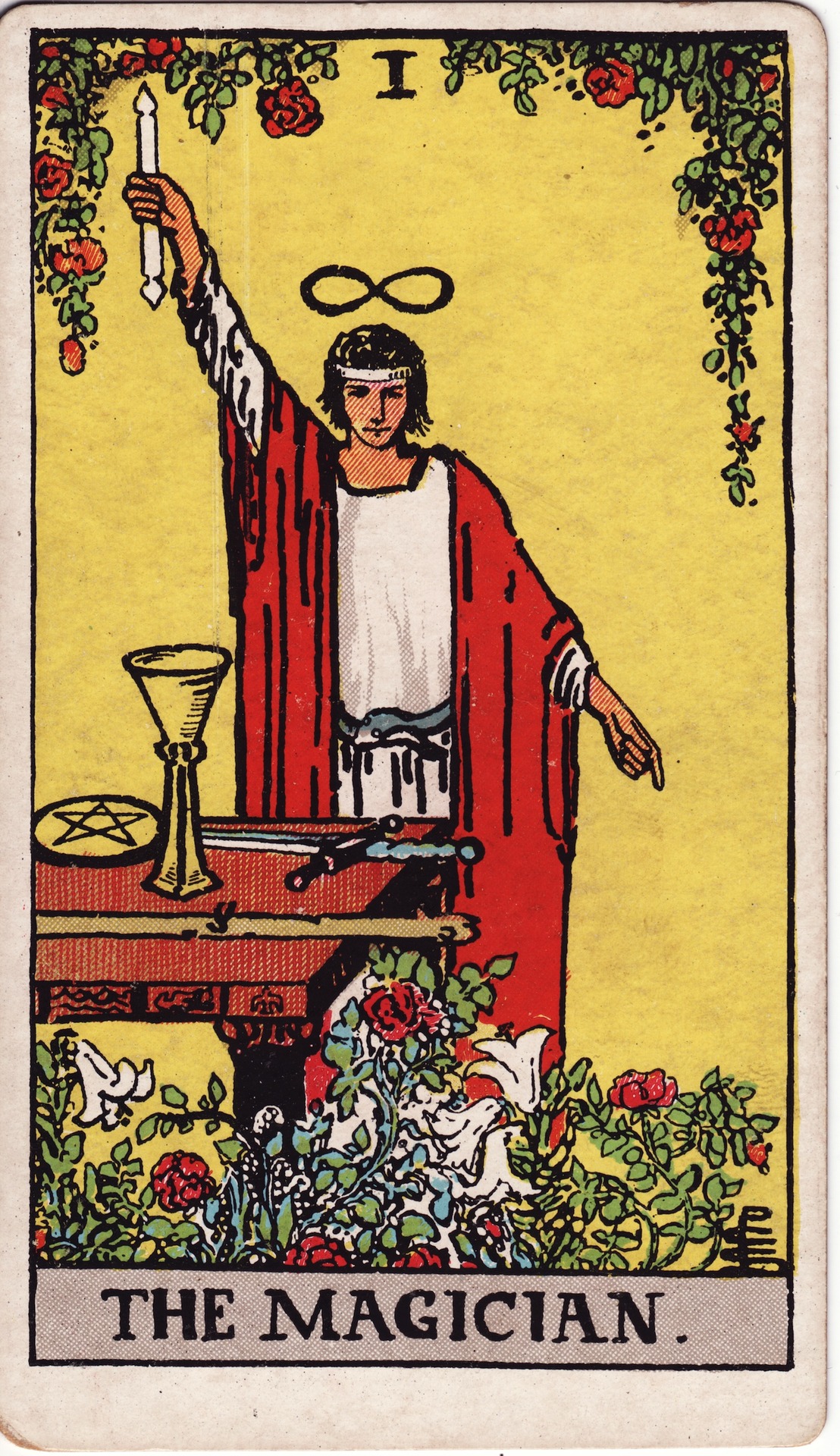
The Tarot of the Bohemians (Papus / Gérard Encausse)
The absolute key to occult science: the classic nineteenth-century treatise uniting the twenty-two Major Arcana with Kabbalistic Hebrew letters, tetragrammaton progressions, and astrological synthesis.