The Tower, a symbol of destruction and upheaval, holds a profound significance in the context of spiritual growth and enlightenment. Through an analysis of the relationships between the True Tower, the Tower, and the Builders, this essay will examine the philosophical underpinnings of this esoteric concept, revealing a nuanced understanding of the true nature of enlightenment and the pitfalls of false spiritual pursuits.
The Dichotomy of the Tower
The Tower, as the 16th card in the Tarot, represents a catastrophic event that disrupts one's life, leading to significant challenges and potentially severe consequences. However, when viewed in relation to the True Tower, a more profound understanding emerges. The True Tower, built within one's own soul, embodies the true teachings of the Master, whereas the physical Tower, constructed by the Builders, symbolizes a false path to enlightenment.
The Builders, who initially comprehended the Master's teachings, ultimately lost their way, constructing a physical tower that deviates from the true spiritual path. This dichotomy highlights the distinction between genuine enlightenment and the external, material pursuits that masquerade as spiritual growth. The True Tower, an internal edifice, is the authentic manifestation of the Master's teachings, whereas the physical Tower, built by the Builders, represents a misguided attempt to externalize the spiritual journey.
The Warning of the Tower
The Tower, in its upright position, serves as a warning against the false belief that the physical tower is the true path to enlightenment. This warning is directed at the Builders, who, despite their initial understanding of the Master's teachings, have become mired in their external pursuits. The Tower's appearance, in this context, signifies the need to reexamine one's spiritual approach, lest one become entangled in the very false constructs they seek to transcend.
In its reversed position, the Tower suggests a milder version of its upright significance, hinting at issues such as oppression, imprisonment, or tyranny. This subtle variation in meaning demonstrates the nuanced nature of the Tower's symbolism, cautioning against the dangers of externalizing the spiritual journey and the consequences of false spiritual pursuits.
Bibliographia & Fontes
Primary Source Books Used in This Article
The doctrines, historical citations, and symbolic correspondences synthesized in this article are drawn from the following primary works and chapters:
- I.P. D. Ouspensky, The Symbolism of the Tarot: Philosophy of Occultism in Pictures and Numbers1913
Translated by A. L. Pogossky
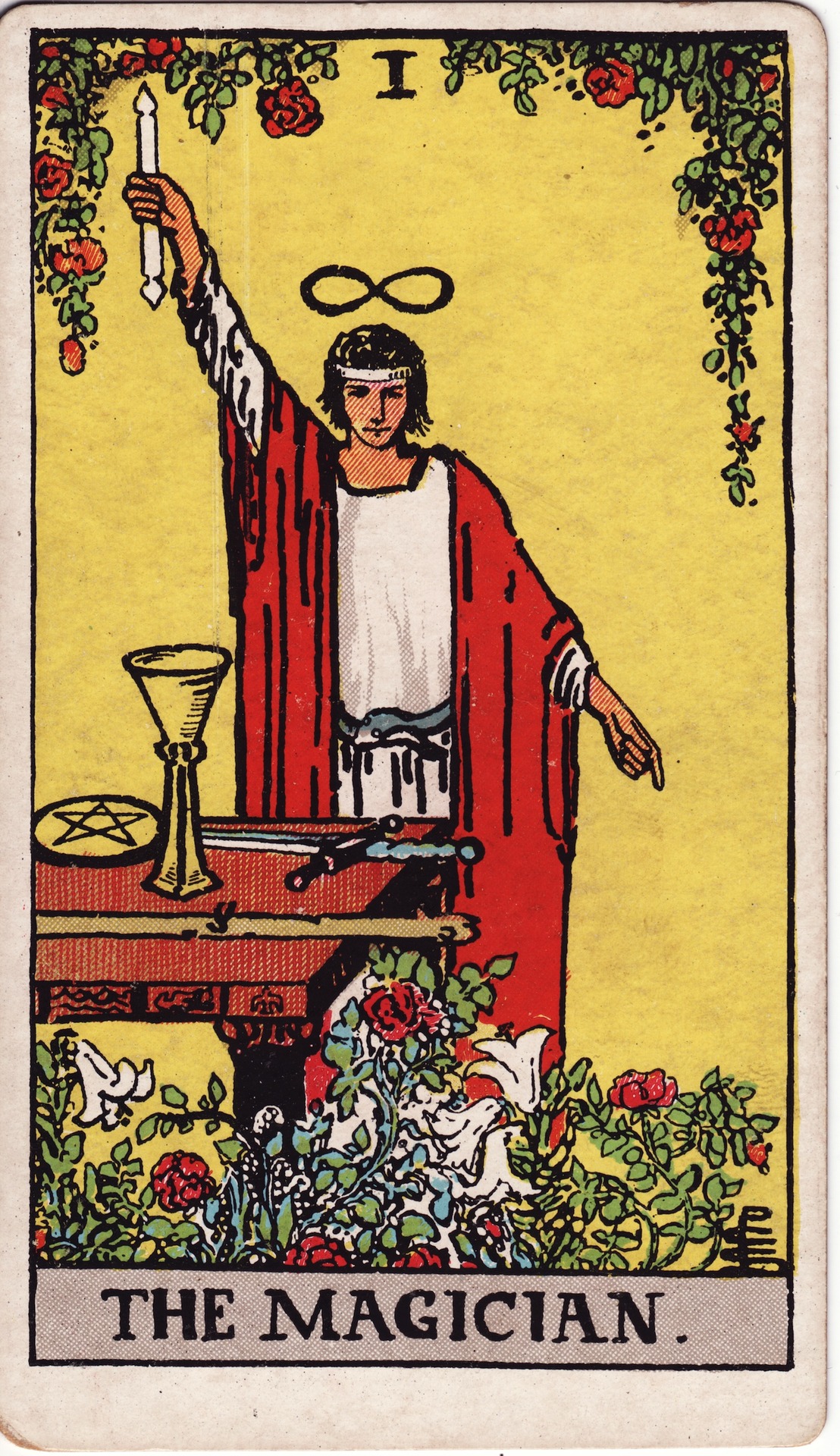
The Tarot of the Bohemians (Papus / Gérard Encausse)
The absolute key to occult science: the classic nineteenth-century treatise uniting the twenty-two Major Arcana with Kabbalistic Hebrew letters, tetragrammaton progressions, and astrological synthesis.