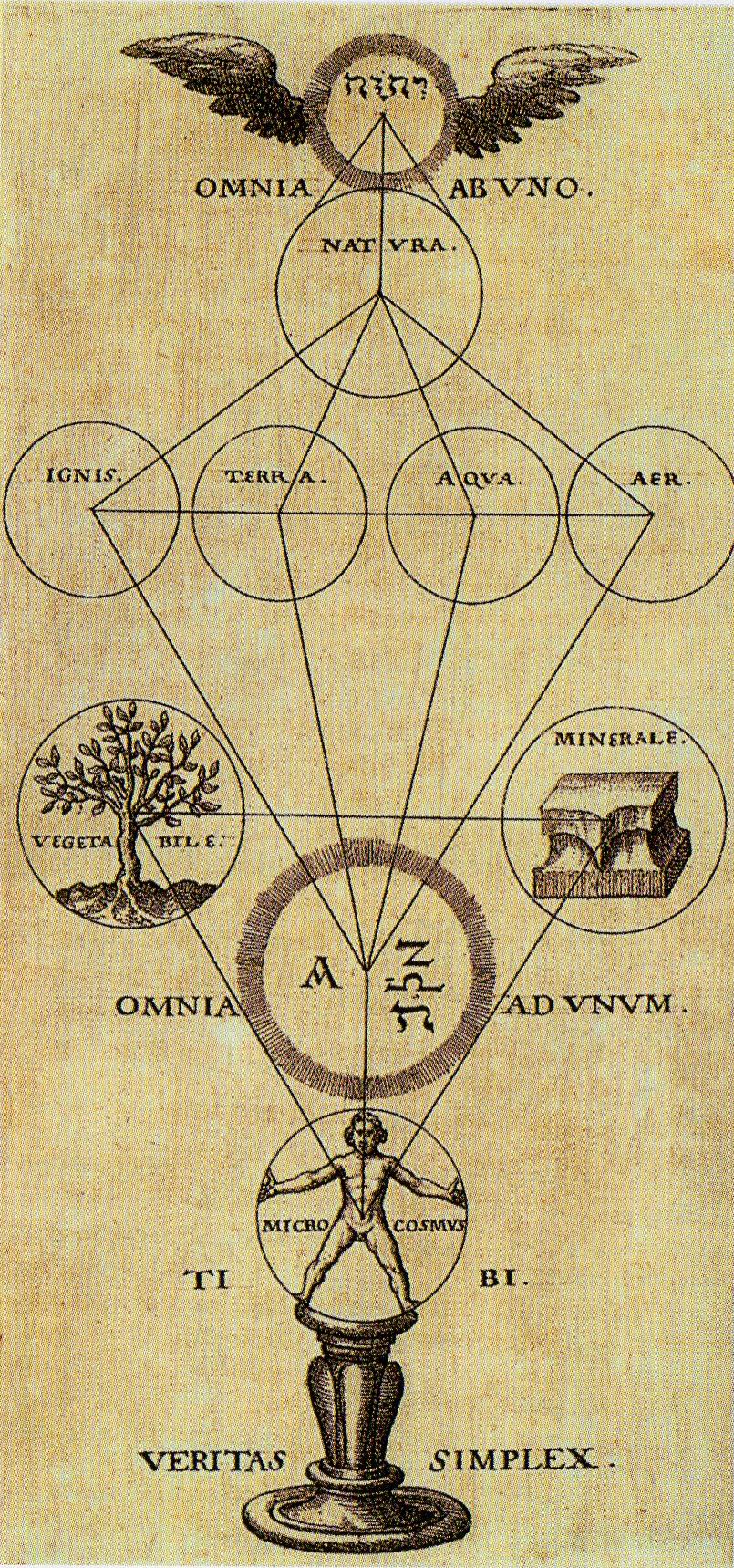
In the study of the esoteric data points extracted from the Tower Of Babel tradition, exploring the philosophical connections between Freemasonic symbolism, the Tower of Babel, and the figures of Lameck, Jaball, Juball, Tubal-cain, and Naamah. We will examine the relationships between these figures and symbols, revealing a network of symbolic meanings and esoteric connections that underpin the philosophical foundations of Freemasonic symbolism.
The Tower of Babel: A Nexus of Symbolism and Craft
Central to this esoteric nexus is the Tower of Babel, a mythological structure that serves as a reference point for Freemasonic symbolism. The Tower is linked to the pre-flood builders who constructed it, making it a symbolic representation of the craft of initiated builders. This connection is reinforced by the relationships between the Tower and the figures of Lameck, Jaball, Juball, Tubal-cain, and Naamah, each of whom contributed to the development of various crafts and arts.
Lameck: The Patriarch of Craft
Lameck is the patriarchal figure who connects the traditional doctrines in this esoteric nexus. As the father of Jaball, Juball, Tubal-cain, and Naamah, Lameck represents the origin of the craft of initiated builders. His connection to the Tower of Babel reinforces the idea that the Tower is a symbol of the craft, and that Lameck's children played a significant role in its construction.
Jaball: Geometry and Architecture
Jaball, the elder son of Lameck, is credited with developing the craft of geometry and architecture. His connection to the Tower of Babel reinforces the idea that the Tower is a symbol of the craft, and that Jaball's skills were essential to its construction. The relationship between Jaball and the Tower reveals the place of geometry and architecture in the development of Freemasonic symbolism.
Juball: Music and Musical Instruments
Juball, the brother of Jaball, is credited with developing music and musical instruments. His connection to the Tower of Babel reinforces the idea that music and art played a significant role in the cultural and intellectual legacy of the Tower. The relationship between Juball and the Tower reveals the place of music and art in the development of Freemasonic symbolism.
Tubal-cain: Smithing and Technological Advancement
Tubal-cain, the third brother of Jaball and Juball, is credited with inventing smithing. His connection to the Tower of Babel reinforces the idea that technological advancement played a significant role in the construction of the Tower. The relationship between Tubal-cain and the Tower reveals the place of technological innovation in the development of Freemasonic symbolism.
Naamah: Weaving and Cultural Advancement
Naamah, the sister of Tubal-cain, is credited with inventing weaving. Her connection to the Tower of Babel reinforces the idea that cultural and artistic advancements played a significant role in the construction of the Tower. The relationship between Naamah and the Tower reveals the place of cultural and artistic innovation in the development of Freemasonic symbolism.
Bibliographia & Fontes
Primary Source Books Used in This Article
The doctrines, historical citations, and symbolic correspondences synthesized in this article are drawn from the following primary works and chapters:
- I.Manly P. Hall, The Secret Teachings of All Ages1928
An Encyclopedic Outline of Masonic, Hermetic, Qabbalistic and Rosicrucian Symbolical Philosophy
Chapters / Sections Consulted:Ch. “Freemasonic Symbolism”
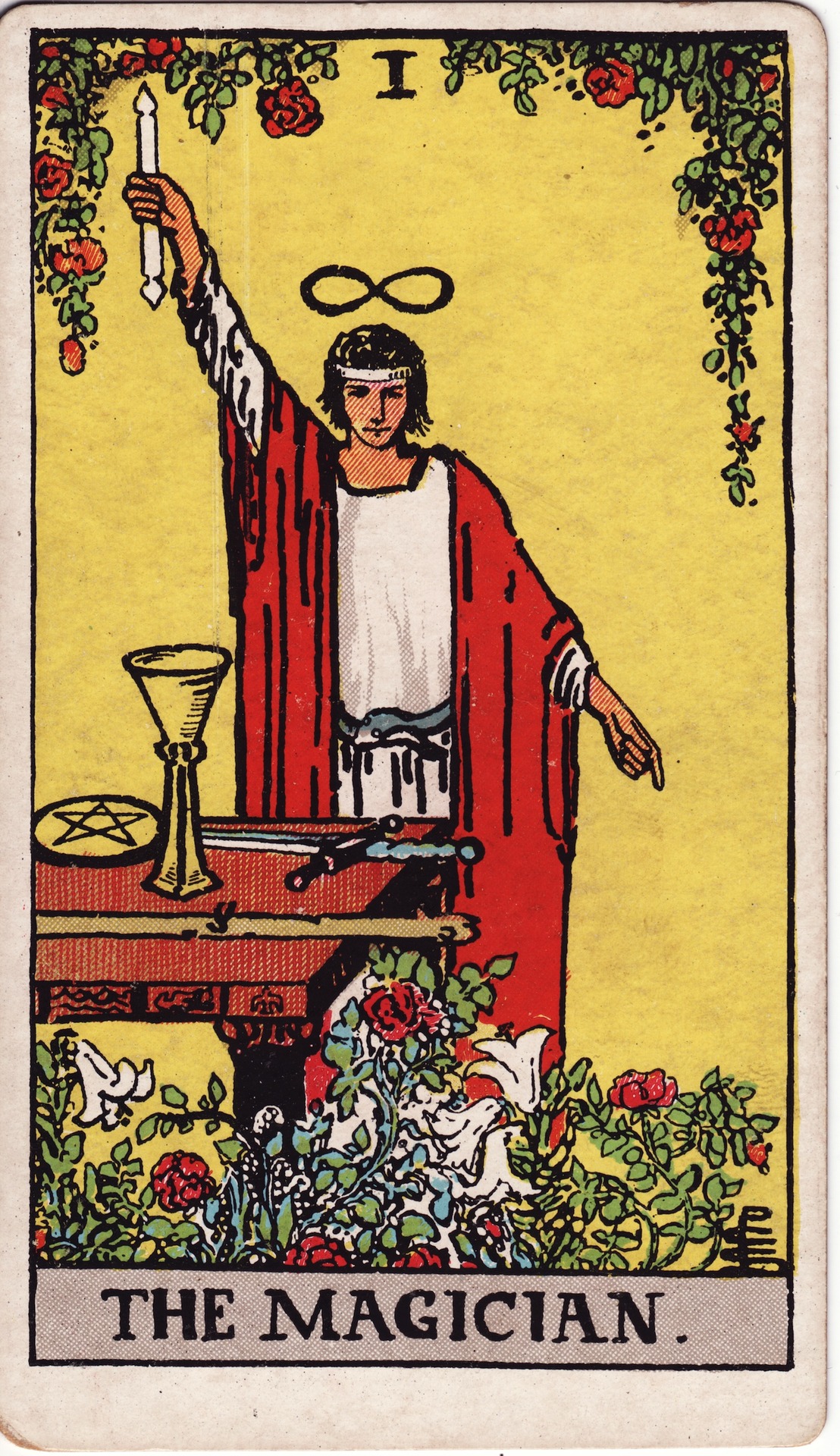
The Tarot of the Bohemians (Papus / Gérard Encausse)
The absolute key to occult science: the classic nineteenth-century treatise uniting the twenty-two Major Arcana with Kabbalistic Hebrew letters, tetragrammaton progressions, and astrological synthesis.