In the study of the mythological narrative of Deucalion, a figure of paramount importance in ancient Greek mythology. As a survivor of the great flood, Deucalion's story is inextricably linked with the founding of the Dodona Oracle and the establishment of the Hosii, a lineage of scribes tasked with recording prophecies and sacred texts. Through an examination of Deucalion's relationships with his wife Pyrrha, his descendants, and the great flood, this analysis will illuminate the philosophical underpinnings of Deucalion's legacy and its enduring impact on the cultural and religious landscape of ancient Greece.
The Survivors and the Scribes
Deucalion and his wife Pyrrha, both survivors of the great flood, embody the resilience and determination that define the human spirit in the face of catastrophic adversity. Their shared experience serves as a testament to the enduring power of love and partnership, as they navigate the uncharted territories of a post-diluvian world. This relationship serves as a foundation for Deucalion's subsequent actions, as he establishes the first temple of Dodona and inaugurates the Hosii, a lineage of scribes tasked with recording the prophecies and sacred texts of the oracle.
The Hosii, as descendants of Deucalion, inherit not only his lineage but also his legacy as a preserver of knowledge and culture. As scribes, they are entrusted with the sacred duty of recording the minutest details of each divination process, thereby ensuring the continuity of the oracle's traditions and the transmission of its wisdom. This responsibility highlights the significance of the Hosii as guardians of collective memory and cultural heritage, demonstrating the importance of preserving the past for the benefit of future generations.
The Flood and the Founding of Dodona
The great flood, as a catastrophic event, serves as a catalyst for the founding of the Dodona Oracle and the establishment of the Hosii. This narrative thread illustrates the transformative power of adversity, as Deucalion's survival and subsequent actions give rise to a new era of cultural and religious expression. The flood, in this context, represents a liminal moment, marking the transition from a pre-diluvian world to a new era of human experience and understanding.
The first temple of Dodona, built by Deucalion, stands as a testament to the human spirit's capacity for resilience and creativity in the face of adversity. As a sacred site, it serves as a nexus for the transmission of wisdom, cultural heritage, and collective memory, highlighting the significance of preserving the past for the benefit of future generations. The temple's establishment also underscores Deucalion's role as a cultural hero, who through his actions, gives rise to a new era of cultural and religious expression.
Bibliographia & Fontes
Primary Source Books Used in This Article
The doctrines, historical citations, and symbolic correspondences synthesized in this article are drawn from the following primary works and chapters:
- I.Manly P. Hall, The Secret Teachings of All Ages1928
An Encyclopedic Outline of Masonic, Hermetic, Qabbalistic and Rosicrucian Symbolical Philosophy
Chapters / Sections Consulted:Ch. “Wonders of Antiquity”
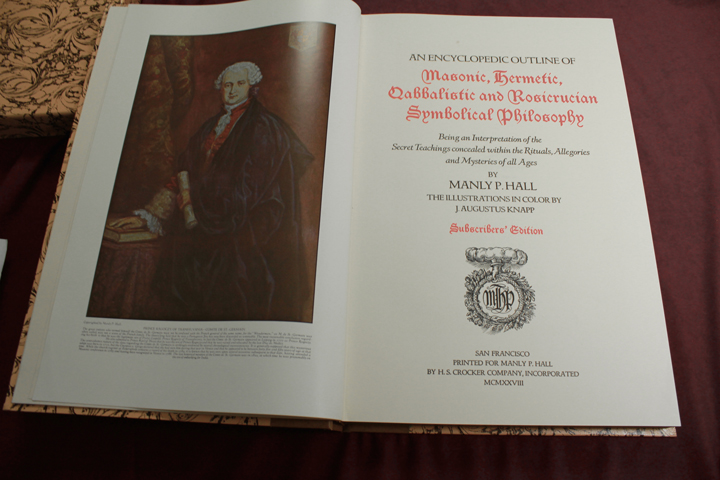
The Secret Teachings of All Ages (Manly P. Hall — Reader’s Edition)
An encyclopedic outline of Masonic, Hermetic, Qabbalistic, and Rosicrucian symbolical philosophy, detailing the rites of ancient mystery schools from Eleusis to the Rose Cross.