The doctrine of Flowers encompasses concepts and relationships that reveal a profound philosophical narrative. At its core, this tradition explores the symbolism of flowers, emblems, and ritual objects to convey the themes of spiritual growth, purity, and regeneration.
The Symbolism of Flowers and Emblems
The entities within this esoteric current are characterized by a deep-seated connection between flowers and emblems. Flowers, as a concept, are imbued with symbolic meaning, representing beauty, purity, and regeneration. This is reinforced by the substance of flowers, which serve as a reproductive system for plants, demonstrating the themes of sexual purity and regeneration. The relationship between flowers and emblems is one of representation, where flowers are used as symbols for various abstract qualities and conditions. Emblems, in turn, are understood as symbols of divine significance, suggesting that the beauty and purity embodied by flowers are, in fact, manifestations of the divine.
The Unfolding of Spiritual Understanding
The budding staff, a ritual object in the Round Table tradition, serves as a symbolic representation of the unfolding of spiritual understanding. This staff, adorned with motifs of flowers, including lotus blossoms, corresponds to the unfolding blossoms that symbolize spiritual growth and regeneration. The relationship between the budding staff and budding is one of mutual reinforcement, where the staff's symbolism is inextricably linked to the concept of unfolding blossoms. Aaron's rod, which budded, serves as a symbol representing the unfolding blossoms, further solidifying the connection between the ritual object and the concept of spiritual growth.
Entities
A closer examination of the relationships within this esoteric current reveals a intricate web of connections. The flower, as a substance, is linked to the concept of budding, which symbolizes the unfolding of blossoms on the Round Table. This, in turn, is connected to the budding staff, which represents the unfolding of spiritual understanding. The emblems, symbolizing divine significance, are used in conjunction with flowers to convey abstract qualities and conditions. This sympathy demonstrates the idea that spiritual growth and regeneration are, in fact, manifestations of the divine.
Bibliographia & Fontes
Primary Source Books Used in This Article
The doctrines, historical citations, and symbolic correspondences synthesized in this article are drawn from the following primary works and chapters:
- I.Manly P. Hall, The Secret Teachings of All Ages1928
An Encyclopedic Outline of Masonic, Hermetic, Qabbalistic and Rosicrucian Symbolical Philosophy
Chapters / Sections Consulted:Ch. “Flowers, Plants, Fruits, and Trees”
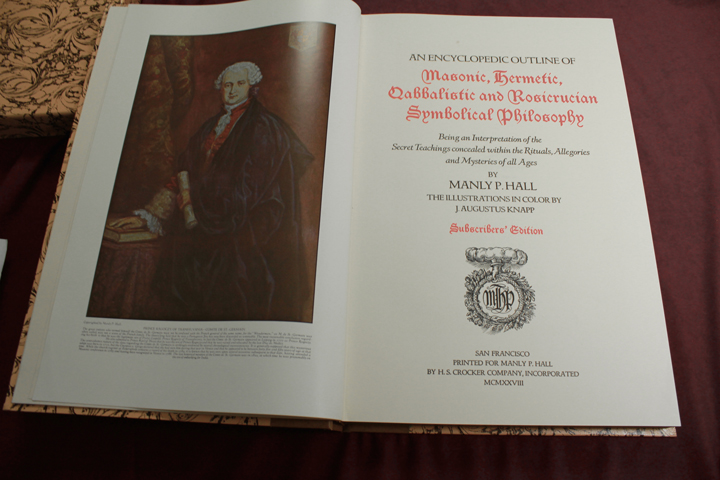
The Secret Teachings of All Ages (Manly P. Hall — Reader’s Edition)
An encyclopedic outline of Masonic, Hermetic, Qabbalistic, and Rosicrucian symbolical philosophy, detailing the rites of ancient mystery schools from Eleusis to the Rose Cross.