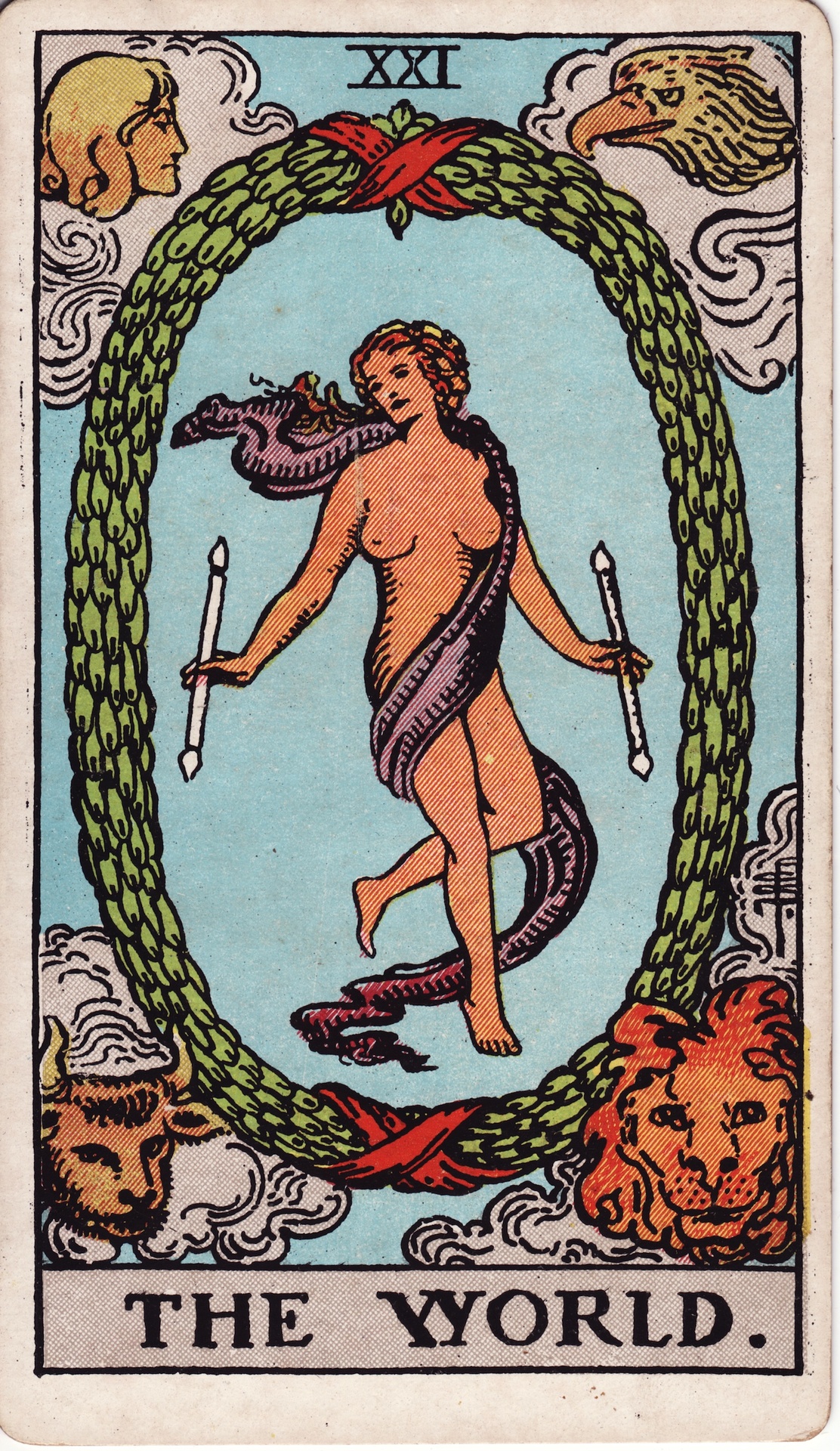
Our exploration will reveal the intricate web of influences, attitudes, and outcomes that shape the divination process, ultimately shedding light on the mysteries of this ancient practice.
The Significator: A Keystone in the Divination Process
Central to the divination process is the Significator, a card that embodies the essence of the querent or the matter being inquired about. This card serves as a focal point, guiding the interpretation of the other cards and providing a personalized perspective on the situation. The Significator's relationship with Card No. 7, which represents its position or attitude, attests to the necessity of understanding the querent's stance within the context of the divination.
The connections between the Significator and Cards No. 8, 9, and 10 further illuminate the various aspects of the divination. 8, representing the environment and associated influences, highlights the external factors that shape the querent's situation. 9, signifying hopes or fears, reveals the querent's emotional landscape and potential biases. 10, indicating the final outcome, provides a glimpse into the potential consequences of the querent's actions or decisions.
The Interplay of Influences: Cards, Diagrams, and Higher/Lower Positions
The relationships between the Significator and the various cards, diagrams, and positions within the divination layout demonstrate the complex interplay of influences that shape the divination process. The diagram, which illustrates the placement of the cards, serves as a visual guide for understanding the relationships between the different cards and their positions.
The distinction between Higher and Lower cards is particularly noteworthy, as it suggests a hierarchical structure within the divination layout. Higher cards, which are believed to have a more significant influence or effect, can override or shape the interpretation of Lower cards. This dynamic attests to the necessity of considering the relative positions and influences of the cards within the layout.
Court Cards and the Magician: Human Characters and Initial Approaches
The inclusion of Court Cards, which represent human characters in the Tarot, adds a layer of complexity to the divination process. These cards can indicate the influence of specific individuals or personalities within the querent's situation. The Magician, as the first card of the divination layout, represents the initial approach or action taken by the querent, setting the tone for the subsequent interpretation.
Bibliographia & Fontes
Primary Source Books Used in This Article
The doctrines, historical citations, and symbolic correspondences synthesized in this article are drawn from the following primary works and chapters:
- I.Arthur Edward Waite, The Pictorial Key to the Tarot1910
Being Fragments of a Secret Tradition under the Veil of Divination
Further Inquiry in This Cycle
Companion Studies & Disputations
The Esoteric Architecture of Divination
By analyzing the relationships between the Significator, cards, and diagram, we will trace the philosophical underpinnings of this divinatory system…
Higher Card: The Hierarchy of Influence
By synthesizing these figures and symbols and relationships, we uncover a profound philosophy that demonstrates the nature of influence, destiny, and the…
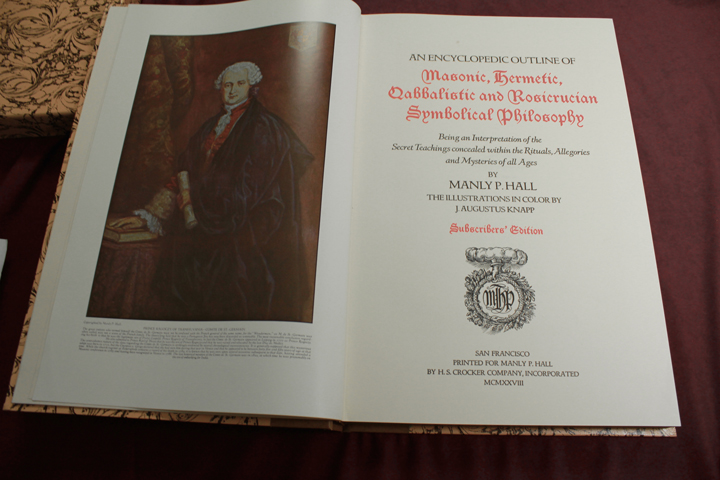
The Secret Teachings of All Ages (Manly P. Hall — Reader’s Edition)
An encyclopedic outline of Masonic, Hermetic, Qabbalistic, and Rosicrucian symbolical philosophy, detailing the rites of ancient mystery schools from Eleusis to the Rose Cross.