The doctrine of Seven encompasses esoteric concepts, intertwined through relationships that reveal a deeper philosophical narrative. At its core, this tradition grapples with the human experience of duality, deception, and the search for meaning. Through the analysis of traditional doctrines and relationships, this essay will synthesize the underlying themes and principles that govern this tradition's philosophical landscape.
The Duality of Human Experience
The entities within this esoteric current often embody contradictory aspects, reflecting the inherent duality of human experience. The concepts of Duplicity and Swindling, for instance, highlight the tension between truth and deception, honesty and manipulation. These themes are echoed in the sympathies among these principles, such as the connection between Duplicity and Seven, which suggests that ambiguity and deceit can be intertwined with spiritual growth and progress.
The interplay between contrasting concepts is further exemplified by the relationships between Ten and Nine, which represent temporary and permanent states of suffering, respectively. This dichotomy is mirrored in the connections between Eight and Seven, which signify conflict and challenge, but with differing intensities and permanence. These dualities demonstrate the complexities of human experience, where contradictory forces can coexist and influence one another.
The Illusion of Perfection
The concept of Ten, often associated with completeness or perfection, is revealed to be an illusion. Despite its promise of wholeness, Ten is linked to pain, affliction, and sadness, highlighting the imperfections that can arise even in states of perceived completion. This theme is reinforced by the relationship between Ten and Nine, which suggests that suffering can be a progression or severity, rather than a fixed state.
The Shadow of Absence and Privation
The concepts of Absence and Privation, often tied to feelings of longing and loss, are closely wedded with the themes of duality and deception. The relationships between Absence and Nine, as well as Privation and Nine, highlight the connections between absence, deprivation, and desolation. These entities serve as a reminder that the absence of something can be just as profound as its presence, and that the human experience is often marked by a sense of lack or longing.
The Complexity of Emotional Experience
The entities within this esoteric current also demonstrate the complexity of emotional experience. The concept of Mourning, for instance, is associated with temporary tribulations, while Female Sadness and Embarrassment are linked to permanent suffering. These relationships highlight the manifold nature of emotional experience, where different emotions can coexist and intersect in complex ways.
Bibliographia & Fontes
Primary Source Books Used in This Article
The doctrines, historical citations, and symbolic correspondences synthesized in this article are drawn from the following primary works and chapters:
- I.Arthur Edward Waite, The Pictorial Key to the Tarot1910
Being Fragments of a Secret Tradition under the Veil of Divination
Further Inquiry in This Cycle
Companion Studies & Disputations
Nine & Ten: The Labyrinth of Sorrow
Through a careful examination of the sympathies among these principles such as Absence, Delay, Ten, Nine, Subtlety, Swindling, and Female Sadness, we will…
Seven: The Interplay of Concepts
The doctrine of Seven encompasses concepts, each woven into the fabric of human experience. Through the lens of duplicity, feasting, sterility, mourning…
Privation & Four Pages: The Paradox of Scarcity
Through a nuanced analysis of these figures and symbols and their correspondences, we will distill the essence of privation, revealing its significance as…
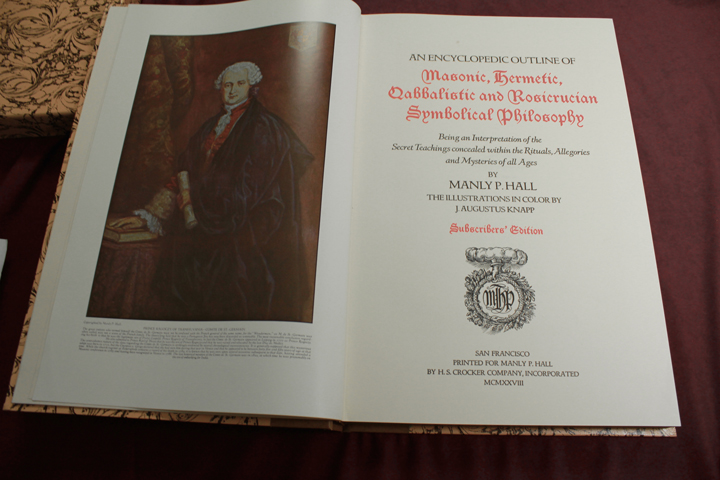
The Secret Teachings of All Ages (Manly P. Hall — Reader’s Edition)
An encyclopedic outline of Masonic, Hermetic, Qabbalistic, and Rosicrucian symbolical philosophy, detailing the rites of ancient mystery schools from Eleusis to the Rose Cross.