The analysis reveals a complex interplay between emotional states, social order, and human experiences, highlighting the principles of polarity, transformation, and the pursuit of well-being.
The Emotional Spectrum: Sadness, Loneliness, and Happiness
The entities of Sadness, Loneliness, and Happiness form a dynamic triad, illustrating the complexities of human emotions and experiences. Sadness, characterized by a profound absence of joy and intellectual disconnection, is associated with the Queen of Swords, symbolizing female sorrow and material hardship. This emotional state is deeply linked to Loneliness, suggesting a state of personal distress and social isolation. The relationship between Sadness and Loneliness highlights the sympathy of emotional experiences, where individuals may become trapped in a cycle of negative emotions.
In contrast, Happiness represents a positive emotional state, often associated with the appreciation of art, music, and nature. This entity is tied to the zodiac sign Taurus, emphasizing the importance of material comfort and beauty. The relationship between Happiness and Sadness reveals the principle of polarity, where these two states can transform into each other. This dynamic interplay demonstrates the complexities of human emotions and the potential for transformation and growth.
Social Order and Disorder: Stability and Harmony
The entities of Social Disorder and Social Stability form a contrasting pair, affirming the role of order and harmony in society. Social Disorder, associated with the Four of Pentacles, represents a breakdown of social norms and order, while Social Stability implies a state of civilization and well-conducted relations. The relationship between these figures and symbols demonstrates the need for balance and harmony in social structures.
The relationship between Loneliness and Social Stability reveals a contrasting concept, where stability implies a state of order and social harmony. This reveals the place of social connections and relationships in maintaining emotional well-being and stability.
Philosophical Insights and Implications
The synthesis of these figures and symbols and relationships offers several philosophical insights:
**The Principle of Polarity**: The relationships between Happiness and Sadness, as well as Social Disorder and Social Stability, illustrate the principle of polarity, where opposing states can transform into each other. **The Interconnectedness of Emotional Experiences**: The connections between Sadness, Loneliness, and Happiness highlight the complexities of human emotions and the potential for emotional experiences to influence one another. **The Pursuit of Well-being**: The principles and correspondences within the the Happiness tradition framework emphasize the importance of pursuing well-being and happiness, whether through the appreciation of art, nature, or social connections. **The Need for Balance and Harmony**: The contrasting entities of Social Disorder and Social Stability demonstrate the need for balance and harmony in social structures, as well as the importance of maintaining emotional well-being and stability.
The synthesis of the the Happiness tradition principles and correspondences offers a nuanced understanding of the complexities of human emotions, social order, and the pursuit of well-being. By exploring the interplay between these concepts, we can gain a deeper understanding of the human experience and the importance of balance, harmony, and transformation in our lives.
Bibliographia & Fontes
Primary Source Books Used in This Article
The doctrines, historical citations, and symbolic correspondences synthesized in this article are drawn from the following primary works and chapters:
- I.The Three Initiates, The Kybalion: A Study of the Hermetic Philosophy of Ancient Egypt and Greece1908
The Seven Hermetic Principles
- II.A. E. Thierens, The General Book of the Tarot1930
Containing the Astrological Key to the Esoteric Tradition of the Greater and Lesser Arcana (Intro. by A. E. Waite)
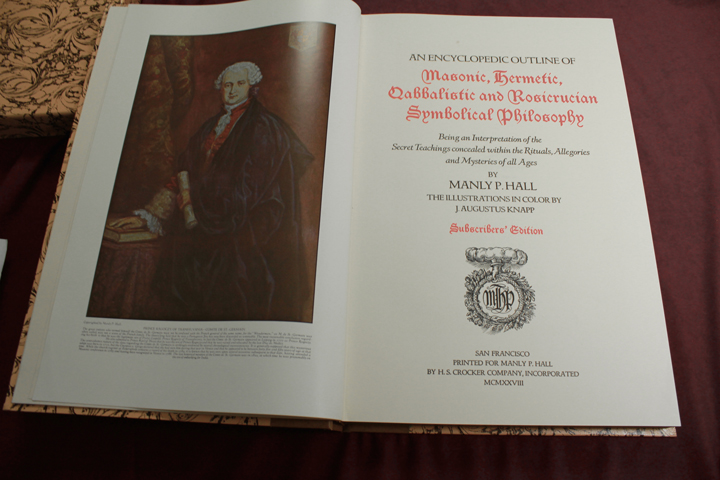
The Secret Teachings of All Ages (Manly P. Hall — Reader’s Edition)
An encyclopedic outline of Masonic, Hermetic, Qabbalistic, and Rosicrucian symbolical philosophy, detailing the rites of ancient mystery schools from Eleusis to the Rose Cross.