The analysis reveals a complex interplay between the principles of karma, cosmic formation, and human nature, affirming the role of balance and the consequences of oppression. The synthesis of these concepts provides insight into the nature of existence, the role of Saturn, and the human experience.
The Cosmic Framework: Karma and Cosmic Formation
The concept of karma is deeply rooted in the idea of cause and effect, extending beyond the human realm to influence health, illness, and broader aspects of existence. This principle is aligned with the cosmic law embodied by Saturn, emphasizing retributive justice and maintaining balance and order in the universe. Cosmic formation, as represented by Saturn's determination in place and time, serves an essential office in shaping individual and collective existence.
The relationship between karma and cosmic formation is integral, as enforced by Saturn. This suggests that the universe is governed by a strict and unyielding law that rewards or punishes actions and intentions, maintaining balance and order according to cosmic justice.
Human Nature: Strength, Weakness, and Oppression
Human nature is categorized into weaker and stronger natures, as described by their ability to endure the burdens symbolized by the Tenth of Wands. Weaker natures are oppressed by the pressures of responsibility, while stronger natures accept these burdens as natural necessities. This dichotomy reveals the place of individual strength in navigating the challenges of existence.
The relationship between weaker natures and oppression is pronounced, as they are more likely to be overwhelmed by the burdens of responsibility. In contrast, stronger natures are characterized by their resilience and ability to endure and overcome oppressive situations.
Executive Ability, Official Position, and Oppression
Executive ability, symbolized by the Tenth of Wands, is closely tied to official position and authority. However, this ability can also be oppressed or overwhelmed, indicating a relationship where strong executive functions can be burdened by oppressive circumstances.
The relationship between executive ability and oppression highlights the challenges of leadership and responsibility. Individuals with strong executive ability must navigate the complexities of authority and decision-making, all while facing the potential for oppression and hardship.
Obstacles and the Human Experience
Obstacles, as represented by the Two of Pentacles, can also symbolize the agreeable stimulation of the nervous system, leading to gaiety, recreation, and good health. This suggests that challenges and obstacles are an inherent part of the human experience, and that navigating these difficulties is essential to personal growth and well-being.
Bibliographia & Fontes
Primary Source Books Used in This Article
The doctrines, historical citations, and symbolic correspondences synthesized in this article are drawn from the following primary works and chapters:
- I.A. E. Thierens, The General Book of the Tarot1930
Containing the Astrological Key to the Esoteric Tradition of the Greater and Lesser Arcana (Intro. by A. E. Waite)
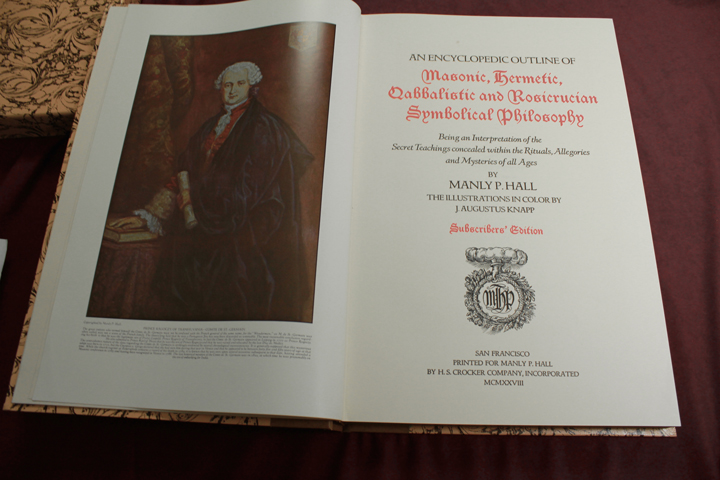
The Secret Teachings of All Ages (Manly P. Hall — Reader’s Edition)
An encyclopedic outline of Masonic, Hermetic, Qabbalistic, and Rosicrucian symbolical philosophy, detailing the rites of ancient mystery schools from Eleusis to the Rose Cross.