Central to this hermetic lineage is the potent and potentially volatile concept of Wrath. This intense emotion, characterized by anger and vengeance, is often associated with magical practices that wield significant power. However, Wrath's negative connotations also hint at its capacity for destruction, demonstrating the need for a counterbalancing force. Enter Zarathustra, a figure who embodies the advocacy of love over vengeance and unity over division.
Historical & Symbolic Context
The relationship between Zarathustra and Wrath reveals a profound philosophical dynamic. By advocating love over Wrath, Zarathustra suggests that the latter's destructive forces can be transcended or overcome through the influence of love. This perspective implies that love is not merely a sentimental or emotional response, but a deliberate choice that can be wielded as a potent force for transformation.
In this context, love emerges as a higher power that can neutralize the intensity of Wrath, offering a path to "higher hope and power." This formulation suggests that love is not only a moral or ethical imperative but also a means of accessing elevated states of being. By choosing love over vengeance, individuals can transcend the limitations of Wrath and tap into a deeper sense of unity and purpose.
The figure of Zarathustra serves as a catalyst for this transformation, embodying the wisdom that love is the only path to true empowerment. Through Zarathustra's advocacy, we come to understand that the destructive forces of Wrath are not inherent or absolute but rather can be transformed and redeemed through the power of love.
The philosophy of this hermetic lineage presents a vision of human transformation, where the intense emotion of Wrath is not eliminated but rather integrated and transcended through the unifying power of love. By embracing this vision, individuals can move beyond the cycles of vengeance and division, accessing a higher plane of existence characterized by unity, hope, and power.
Bibliographia & Fontes
Primary Source Books Used in This Article
The doctrines, historical citations, and symbolic correspondences synthesized in this article are drawn from the following primary works and chapters:
- I.P. D. Ouspensky, The Symbolism of the Tarot: Philosophy of Occultism in Pictures and Numbers1913
Translated by A. L. Pogossky
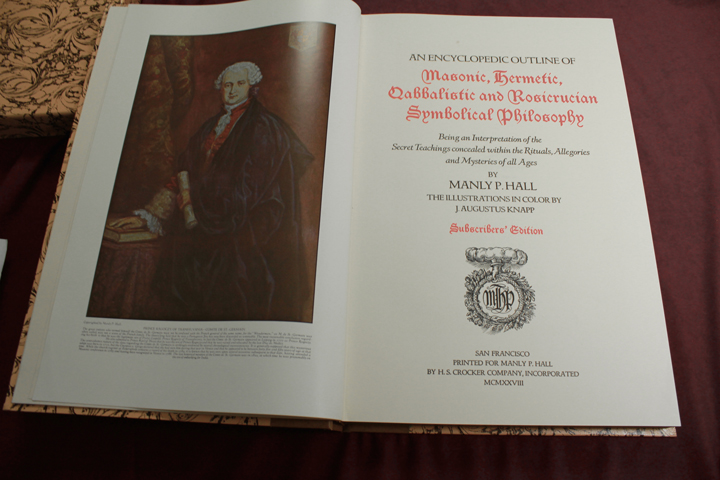
The Secret Teachings of All Ages (Manly P. Hall — Reader’s Edition)
An encyclopedic outline of Masonic, Hermetic, Qabbalistic, and Rosicrucian symbolical philosophy, detailing the rites of ancient mystery schools from Eleusis to the Rose Cross.