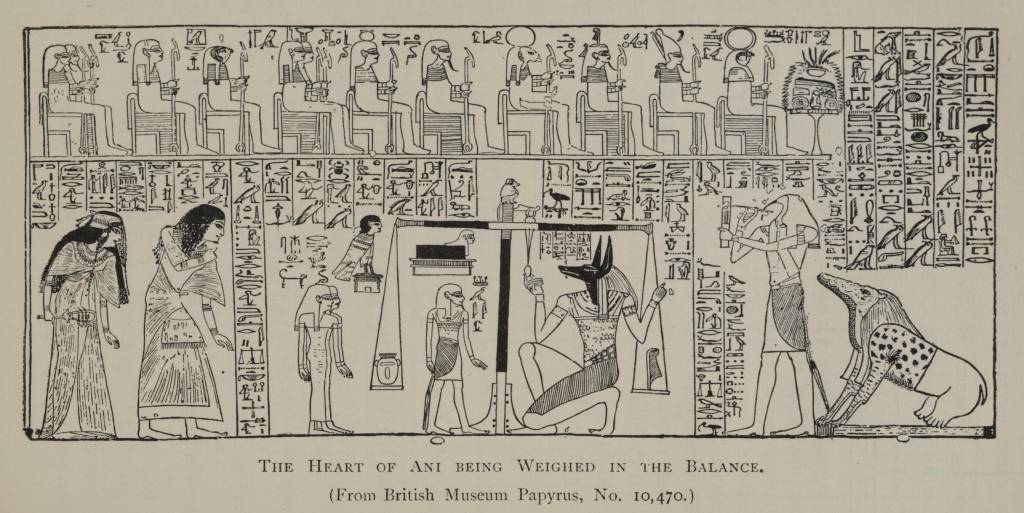
By examining the intersections and overlaps between various elements, we uncover a rich body of ideas that reveal a syncretic approach to knowledge, power, and spirituality. Central to this tradition is the Oracle, a symbolic entity that weaves together threads of divination, empiricism, and cultural exchange.
The Oracle as Nexus
The Oracle serves as a nexus, connecting traditional doctrines and concepts within this esoteric current. It is through the Oracle that we see the confluence of divination, empiricism, and cultural exchange. The Oracle's guidance is derived from the symbolic messages found on Tarot cards, particularly the Major Arcana, which contain deep, archetypal meanings. This process of divination is rooted in the practice of using cards for predictive or insightful purposes, often associated with mystical or esoteric beliefs.
The Oracle's connection to the Pharaoh of Egypt, Ptolemy Soter, highlights the intersection of power and spirituality. The Pharaoh's dream about the statue of Serapis, which was later identified by Sosibius, demonstrates the Oracle's role in facilitating the placement of this statue, a symbol of Greek-Egyptian syncretism. This event demonstrates the Oracle's significance in providing strategic guidance for the Pharaoh's endeavors.
Empiricism and the Statue of Serapis
The creation of the statue of Serapis, with its blend of Greek and Egyptian influences, exemplifies an empirical approach to spirituality. The incorporation of diverse substances and rituals in the worship of Serapis reflects an empirical understanding that knowledge and truth are derived from practical experiences and direct interactions with the natural world. This approach is evident in the worship practices and description of Serapis, where the empirical and the spiritual are intertwined.
Syncretic Nature of the Oracle
The Oracle tradition is characterized by a syncretic approach to knowledge, power, and spirituality. The fusion of Greek and Egyptian influences in the creation of the statue of Serapis, as well as the blending of cultural and philosophical traditions, demonstrates a willingness to combine and integrate different perspectives. This syncretism is reflected in the relationships among these traditions, such as the Pharaoh, Sosibius, Soteles, and Dionysius, who all play a role in the narrative of the statue's creation and significance.
Theodosius and the Christian Soldier
The edict of Theodosius, which led to the destruction of the statue of Serapis, marks a turning point in the narrative of this hermetic lineage. The Christian soldier's actions, carried out under Theodosius' authority, symbolize the end of pagan worship and the reinforcement of Christian dominance. This event highlights the complex interplay between military and religious power, as well as the tensions between different cultural and philosophical traditions.
Bibliographia & Fontes
Primary Source Books Used in This Article
The doctrines, historical citations, and symbolic correspondences synthesized in this article are drawn from the following primary works and chapters:
- I.Manly P. Hall, The Secret Teachings of All Ages1928
An Encyclopedic Outline of Masonic, Hermetic, Qabbalistic and Rosicrucian Symbolical Philosophy
Chapters / Sections Consulted:Ch. “The Ancient Mysteries and Secret Societies (Part II)” - II.Arthur Edward Waite, The Pictorial Key to the Tarot1910
Being Fragments of a Secret Tradition under the Veil of Divination
Further Inquiry in This Cycle
Companion Studies & Disputations
The Oracle of Serapis
Through an analysis of the relationships between the Oracle, the Pharaoh, and various individuals, we uncover the significance of divination by cards, the…
Empiricism and Imperial Authority
By examining the relationships between empiricism, Greek and Egyptian influences, and the actions of Theodosius and a Christian soldier, we reveal a…
The Divine Authority of the Pharaoh
By analyzing the roles and interactions of these figures and symbols, we gain insight into the philosophical underpinnings of ancient Egyptian royalty and…
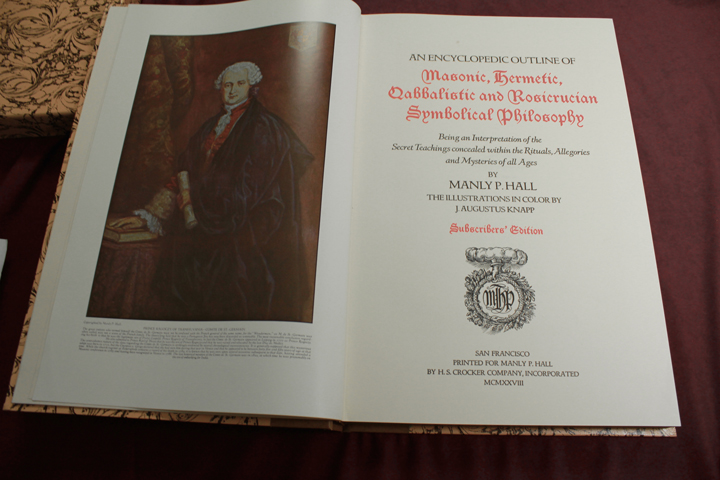
The Secret Teachings of All Ages (Manly P. Hall — Reader’s Edition)
An encyclopedic outline of Masonic, Hermetic, Qabbalistic, and Rosicrucian symbolical philosophy, detailing the rites of ancient mystery schools from Eleusis to the Rose Cross.