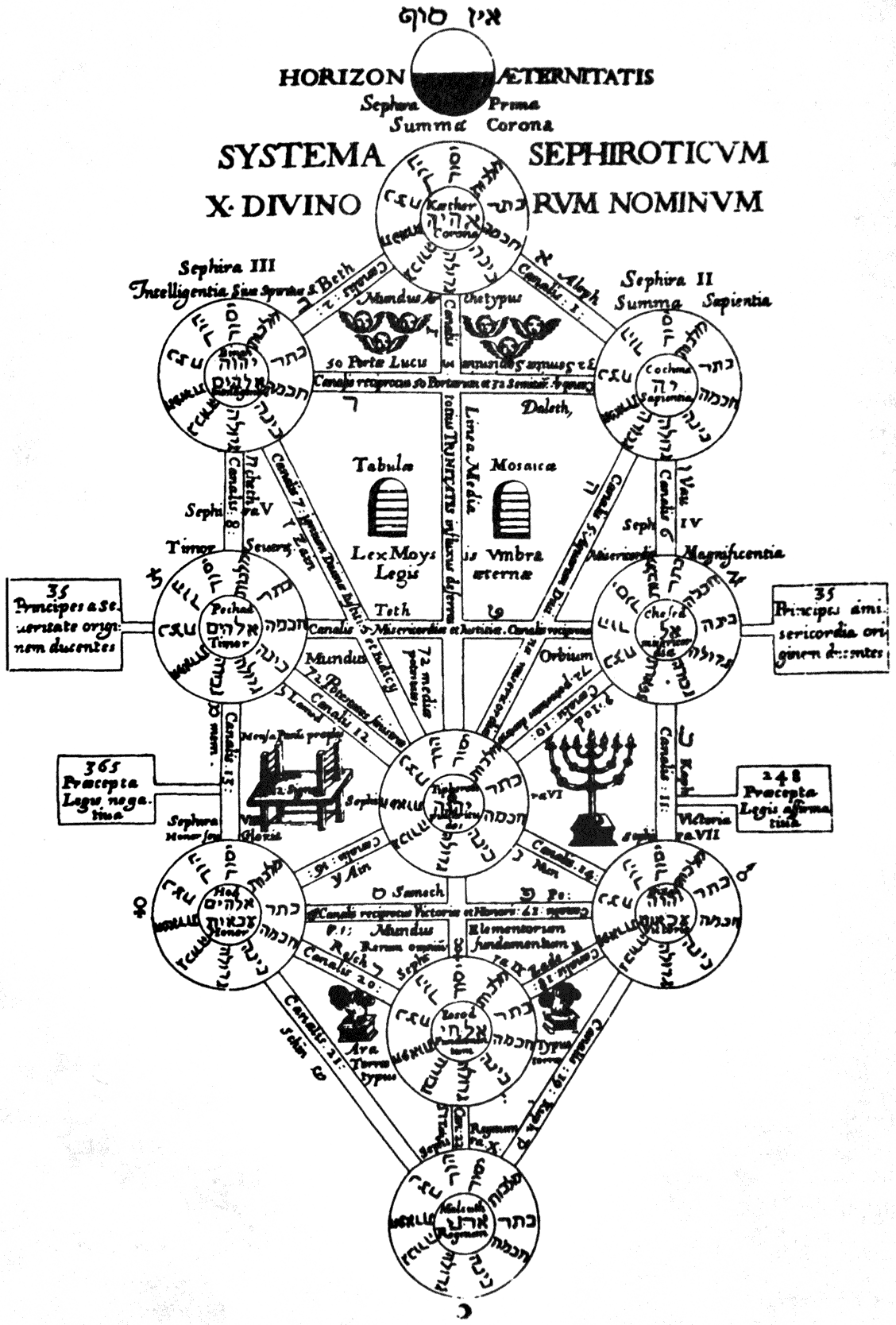
By examining the connections and intersections between these figures and symbols, we will distill the underlying philosophical currents that permeate this tradition, revealing a rich body of mystical and symbolic significance.
The Synthesis
Central to this hermetic lineage is the concept of syncretism, as embodied by the figure of Julian, who sought to unify various divinities under a single, encompassing concept. This philosophical inclination towards unity is reflected in the description of Serapis, a deity that combines elements of Egyptian and Greek religions, characterized by Julian as embodying the roles of "one Jove, one Pluto, one Sun." This syncretic approach is further echoed in the connections between Serapis and other entities, such as Mithra, with whom Serapis is linked in a symbolic struggle for the "Egg of the Earth," a symbol of cosmic creation and beginnings.
The Hebrew tradition also plays a significant role in this tradition, with its language and numeral systems holding a deep significance in religious and cultural contexts. The Hebrew alphabet, in particular, is imbued with numerical values that reflect the deeper correspondences within the language and its philosophical implications. This emphasis on numerical philosophy and systems is mirrored in the work of Macrobius, who derived the diatonic scale from the celestial movements of the planets, reflecting the Pythagorean belief that mathematics and astronomy underpinned the structure of harmony in the universe.
The Labyrinth, as a symbol, represents a complex and intricate journey towards enlightenment or divine guidance. This entity is deeply rooted as a place of initiation, serving as a pathway to divine wisdom. The Labyrinth's connection to Dagon, a mythological figure, imbues the intricate paths with a sacred and protective nature, emphasizing the entity's role in offering a secure and enlightening journey through the labyrinthine challenges.
Serapis, as a deity, is associated with the sun, fertility, and magic, and is often depicted as a man with the head of a falcon or a serpent. This syncretic deity is linked to the Hebrew tradition through the name Saraph, meaning "to blaze out" or "to blaze up." The Lion-Faced Light-Power, a symbolic representation of the Sun, is also connected to Serapis, highlighting the deity's association with solar radiance.
The Minotaur, a symbol of the power of the earth, is intertwined with Serapis in a narrative possibly involving labyrinths and complex mythological imagery. This connection suggests that the Minotaur, while primarily symbolizing the earth, may also be an integral part of the mythological and symbolic framework associated with Serapis in a labyrinthine setting.
The Bembine Table, an artifact or tablet of religious or astrological significance, incorporates both Serapis and Hecate, possibly through a transposition of their depictions. This complex interplay between the two figures or their symbolic representations within the table's design highlights the intricate web of connections within this tradition.
The philosophical compendium of this hermetic lineage is woven from threads of syncretism, numerical philosophy, and symbolic significance. The principles and correspondences within this tradition reveal a deep concern with unity, harmony, and the sympathy of all things. Through the lens of these esoteric data points, we gain insight into a mystical world where the boundaries between deity, language, and symbolism are blurred, and the pursuit of wisdom and enlightenment is paramount.
Bibliographia & Fontes
Primary Source Books Used in This Article
The doctrines, historical citations, and symbolic correspondences synthesized in this article are drawn from the following primary works and chapters:
- I.Manly P. Hall, The Secret Teachings of All Ages1928
An Encyclopedic Outline of Masonic, Hermetic, Qabbalistic and Rosicrucian Symbolical Philosophy
Chapters / Sections Consulted:Ch. “The Ancient Mysteries and Secret Societies (Part II)” · Ch. “The Bembine Table of Isis” · Ch. “Fishes, Insects, Animals, Reptiles and Birds” - II.Franz Hartmann, In the Pronaos of the Temple of Wisdom / Philosophy of the Rosicrucians and Alchemists1890
Containing the History of the True and the False Rosicrucians and the Principles of Alchemy
Further Inquiry in This Cycle
Companion Studies & Disputations
The Transpositional Unity of Serapis and Hecate
By examining the distinctions and interplays between these figures and symbols, we uncover a rich body of symbolism and transformation, revealing the…
Serapis, Hebrew & Mithra in Initiatic Orders
The doctrine of Serapis encompasses esoteric concepts, weaving together threads from Hebrew tradition, Persian and Egyptian mythology, and symbolic…
The Labyrinthine Quest
By examining the relationships between these figures and symbols, we will uncover the philosophical underpinnings of a spiritual journey, where the…
The Syncretic Visionaries of Ancient Rome: Julian and Macrobius
This essay explores the philosophical and intellectual contributions of two ancient Roman visionaries, Julian and Macrobius. Through their writings on the…
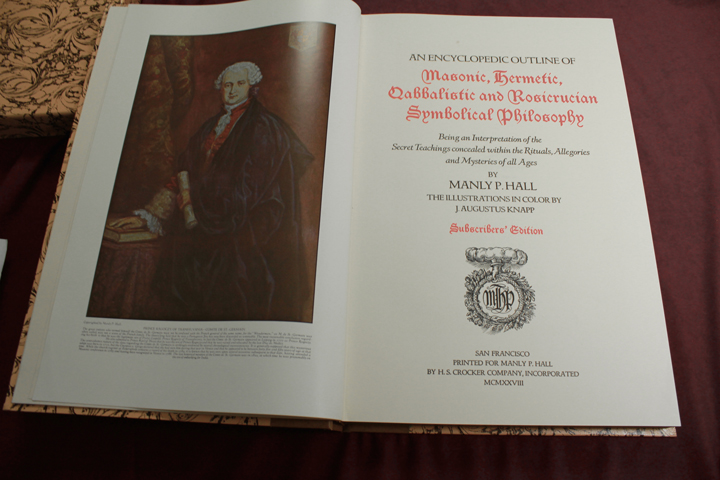
The Secret Teachings of All Ages (Manly P. Hall — Reader’s Edition)
An encyclopedic outline of Masonic, Hermetic, Qabbalistic, and Rosicrucian symbolical philosophy, detailing the rites of ancient mystery schools from Eleusis to the Rose Cross.