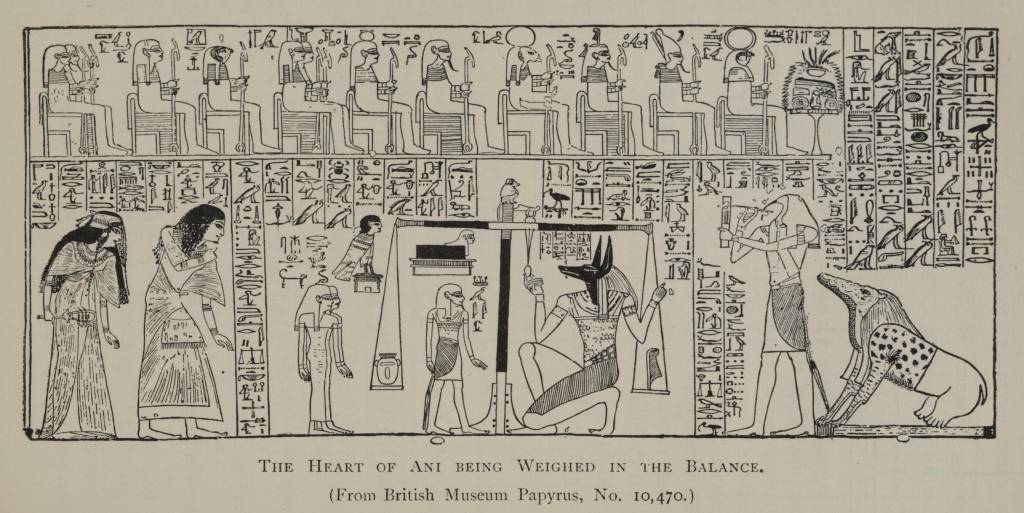
The Mysteries, a collective term for ancient initiatory systems and secret knowledge, form the foundation of a profound philosophical and esoteric tradition. By examining the interactions between Mystical Practices, Secret Knowledge, Greece, and other concepts, we gain insight into the nature of the Mysteries and their role in human spiritual evolution.
The Mysteries as a Unified Concept
The Mysteries are a unified concept, encompassing various regional and individual expressions. Despite their diversity, the Mysteries share a common purpose: to initiate individuals into the "One Way," a path of enlightenment and self-achieved godhood. This unity is reflected in the text's constant referral to the Mysteries as a single, cohesive entity.
The Relationship between the Mysteries and Ancient Wisdom
The Mysteries are closely bound with Ancient Wisdom, serving as a primary conduit for its preservation and transmission. The Mysteries embody the essence of Ancient Wisdom, ensuring its longevity and accessibility to future generations. This relationship reveals the place of the Mysteries in safeguarding esoteric knowledge and philosophy.
The Role of Greece in the Mysteries
Greece played a central role in the teachings of the Greek Mystery schools, as seen in the initiations and teachings related to the Greek gods and goddesses. The Colossus of Rhodes, built in honor of the sun god, reflects the broader symbolism of the ancient Mysteries. Greece's contribution to the Mysteries emphasizes the significance of cultural and philosophical exchange in shaping the esoteric tradition.
The Influence of Egyptian Priests and the Borgia Family
The Egyptian priests, known for their expertise in using herbs and complex rituals to induce clairvoyance and prophetic states, shared a deep-rooted and interconnected heritage with the Mysteries. The Borgia family, infamous for their chemical knowledge and intrigue, learned from Egyptian priests, highlighting the exchange of ideas and practices between these figures and symbols.
The Significance of Sacerdotalism and Operative Theology
Sacerdotalism, the priestly functions, is a significant aspect of the Mysteries, both in ancient and modern contexts. Operative theology, a process within the Mysteries, allows for the conscious reunion of the spirit with the divine source without physical dissolution. These concepts demonstrate the importance of ritual and spiritual practice in the Mysteries.
The Vision of Hermes and Mystic Cosmogony
The Vision of Hermes, a key form of instruction in the Mysteries, serves as a transformative experience, revealing the deepest secrets of the universe. Mystic cosmogony, a central element of the Divine Pymander, provides a comprehensive understanding of the divine origins and the unfolding of the universe. These concepts highlight the Mysteries' emphasis on spiritual growth and the pursuit of understanding.
The Wanderer and the Oversoul of Emerson
The Wanderer, a symbolic figure in the Odinic Mysteries, performs his journey based on Odin's creation myth and the life of Balder. The Oversoul concept, part of a broader exploration of the spiritual unity between all beings, resonates with the Mysteries' emphasis on the sympathy of all things.
Bibliographia & Fontes
Primary Source Books Used in This Article
The doctrines, historical citations, and symbolic correspondences synthesized in this article are drawn from the following primary works and chapters:
- I.Manly P. Hall, The Secret Teachings of All Ages1928
An Encyclopedic Outline of Masonic, Hermetic, Qabbalistic and Rosicrucian Symbolical Philosophy
Chapters / Sections Consulted:Ch. “The Human Body in Symbolism” · Ch. “The Life and Teachings of Thoth Hermes Trismegistus” · Ch. “Freemasonic Symbolism” · Ch. “Bacon, Shakspere, and the Rosicrucians” · Ch. “Wonders of Antiquity” · Ch. “Conclusion” - II.Hermes Trismegistus (attr.), Corpus Hermeticum (The Divine Pymander)c. 2nd–3rd c.
Classical Primary Source Referenced in Text
Further Inquiry in This Cycle
Companion Studies & Disputations
The Alchemical Intersection of Knowledge and Power
By analyzing the dynamics between these two lineages, we gain insight into the philosophical underpinnings of their esoteric…
Mysteries
The Mysteries, a collective term encompassing ancient initiatory systems and secret knowledge, are a profound and complex body of teachings and rituals. By…
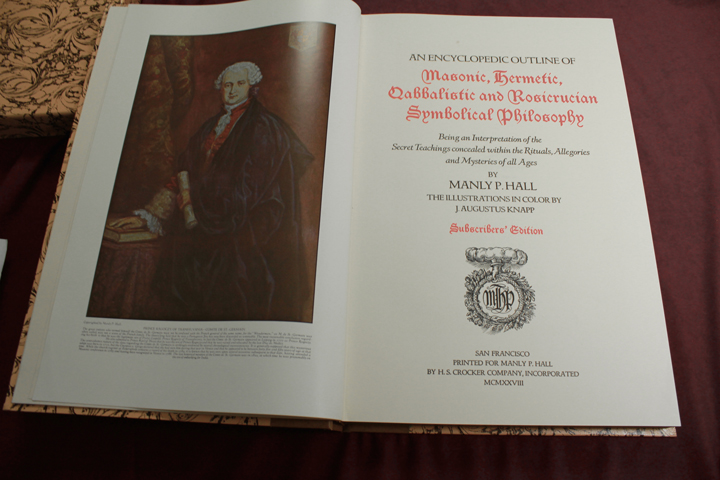
The Secret Teachings of All Ages (Manly P. Hall — Reader’s Edition)
An encyclopedic outline of Masonic, Hermetic, Qabbalistic, and Rosicrucian symbolical philosophy, detailing the rites of ancient mystery schools from Eleusis to the Rose Cross.