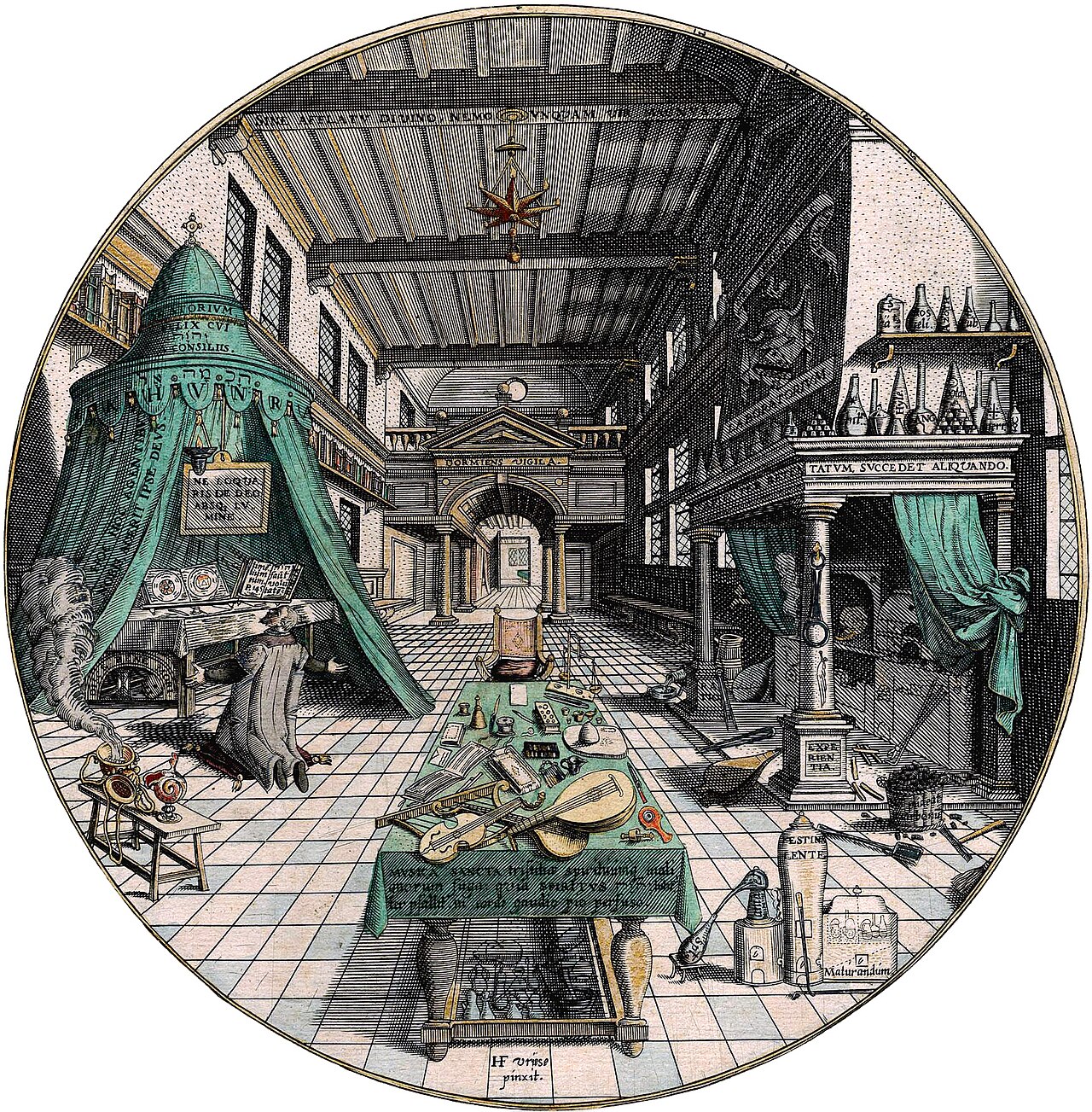
In the study of the esoteric dimensions of Egyptian wisdom, particularly their mastery of alchemy and its symbolic connections to spiritual energy centers. The discussion also explores the cult of Serapis, a deity associated with the symbolism of the bull, and its relationship to Egyptian funerary practices. By analyzing the classical sources and relationships, this synthesis aims to illuminate the philosophical underpinnings of Egyptian thought, revealing a profound pursuit of spiritual enlightenment and the sympathy of nature, spirituality, and human potential.
The Alchemical Pursuit of Spiritual Enlightenment
The Egyptians' profound connection to alchemy, regarded as a central science, underscores their ancient wisdom and ongoing pursuit of spiritual and practical enlightenment. This deep-seated connection symbolizes their holistic approach to understanding the correspondences between nature, spirituality, and human potential. The use of the lotus blossom as a symbolic representation of spiritual energy centers further reinforces this notion. The lotus, with its ability to emerge pristine from muddy waters, serves as a powerful metaphor for the transformation and elevation of the soul.
The Egyptians' employment of the lotus in spiritual symbolism highlights their recognition of the sympathy of all things. This understanding is rooted in their alchemical practices, which sought to transform and elevate the human condition. The pursuit of spiritual enlightenment, in this context, is not a solitary endeavor but rather an integral aspect of their holistic worldview. The Egyptians' reverence for the lotus blossom, as a symbol of spiritual energy centers, underscores their understanding of the human potential for growth and transformation.
The Cult of Serapis: A Symbolic Connection to the Bull
The term SOR-APIS, a coined derivation suggesting a linguistic connection between the Egyptian words for 'tomb' and 'bull,' implies a cultural and symbolic relationship between the deity Serapis and the significance of a bull in Egyptian religious and funerary practices. The merging of Hellenistic and indigenous Egyptian traditions, as underscored by the cult of Serapis, highlights the reverence for bulls as symbolized by this deity.
The cult of Serapis, in this context, serves as a symbolic representation of the sympathy of life and death. The bull, as a symbol of fertility and rebirth, is closely tied to the Egyptian understanding of the afterlife. The association of Serapis with the bull, therefore, demonstrates the deity's role in facilitating the transformation and rebirth of the individual.
Relationships and Synthesis
The relationship between SOR-APIS and EGYPTIAN highlights the cultural and symbolic significance of the cult of Serapis within the broader context of Egyptian wisdom. The linguistic derivation of SOR-APIS, suggesting a connection between the name Serapis and the concept of a bull's tomb, demonstrates the merging of Hellenistic and indigenous Egyptian traditions.
In synthesizing the classical sources and relationships, it becomes clear that the Egyptians' pursuit of spiritual enlightenment is closely wedded with their understanding of the natural world and the sympathy of all things. The cult of Serapis, as a symbolic representation of the bull, serves as a powerful metaphor for the transformation and rebirth of the individual. The Egyptians' reverence for the lotus blossom, as a symbol of spiritual energy centers, underscores their recognition of the human potential for growth and transformation.
This synthesis reveals a profound philosophical underpinning to Egyptian thought, one that emphasizes the sympathy of nature, spirituality, and human potential. The Egyptians' pursuit of spiritual enlightenment, as facilitated by their mastery of alchemy and the cult of Serapis, serves as a testament to their enduring wisdom and ongoing influence on the human quest for knowledge and understanding.
Bibliographia & Fontes
Primary Source Books Used in This Article
The doctrines, historical citations, and symbolic correspondences synthesized in this article are drawn from the following primary works and chapters:
- I.Manly P. Hall, The Secret Teachings of All Ages1928
An Encyclopedic Outline of Masonic, Hermetic, Qabbalistic and Rosicrucian Symbolical Philosophy
Chapters / Sections Consulted:Ch. “The Ancient Mysteries and Secret Societies (Part II)”
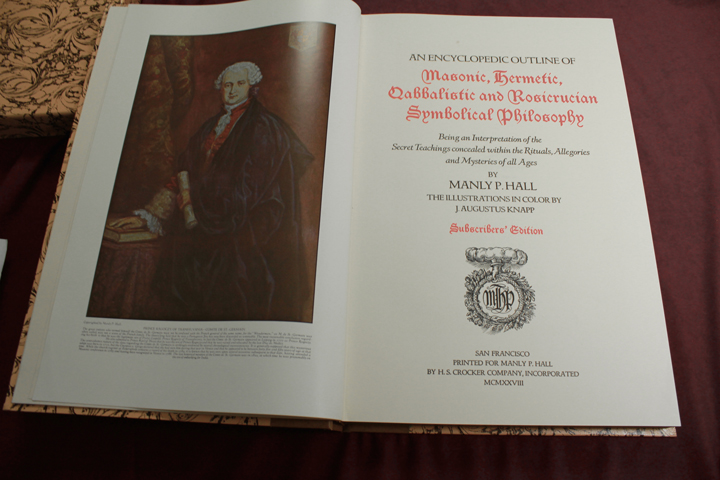
The Secret Teachings of All Ages (Manly P. Hall — Reader’s Edition)
An encyclopedic outline of Masonic, Hermetic, Qabbalistic, and Rosicrucian symbolical philosophy, detailing the rites of ancient mystery schools from Eleusis to the Rose Cross.