By analyzing the classical sources and relationships, this synthesis reveals the profound sympathy of these concepts, highlighting their shared spiritual significance and divine processes. This exploration demonstrates that Passover, as a significant start of the agricultural year, is inextricably linked with Sacraments and Religious Ceremonies, collectively embodying the essence of spiritual renewal and ritualistic practices.
The Philosophical Significance of Passover, Sacraments, and Religious Ceremonies
The classical sources and relationships within this esoteric current offer a profound glimpse into the philosophical underpinnings of spiritual practices and ritualistic ceremonies. Central to this exploration is the concept of Passover, a significant start of the agricultural year, which also serves as a time for spiritual renewal. This notion of renewal is closely wedded with the concept of Sacraments, which are ritual acts imbued with spiritual significance.
The relationship between Sacraments and Religious Ceremonies is particularly noteworthy, as they are interconnected and share a profound spiritual significance. Sacraments, in this context, refer to sacred rituals or rites within religious traditions, through which divine grace is believed to be present. These sacraments are integral to spiritual practices, involving community participation and ritualistic significance. The fact that Sacraments are not explicitly mentioned but implied, suggests that their significance is deeply ingrained within the fabric of this hermetic lineage.
The creation of "H houses" and "T houses" is akin to creating religious ceremonies, implying that these figures and symbols share certain characteristics with religious ceremonies. These structures may symbolize divine presence, offer a space for spiritual activities, or act as focal points for community gatherings and rituals. This analogy highlights the profound sympathy of these concepts, revealing that the creation of these figures and symbols involves processes and structures that are divine or sacred in nature.
The relationship between Sacraments and Passover is also noteworthy, as Passover is a religious ceremony associated with predominance and combination processes. This connection suggests that Passover, as a significant start of the agricultural year, is also imbued with the spiritual significance and divine processes characteristic of Sacraments and Religious Ceremonies.
The philosophical synthesis of this hermetic lineage reveals a profound sympathy between Passover, Sacraments, and Religious Ceremonies. These concepts, while distinct, are inextricably linked through their shared spiritual significance and divine processes. This exploration demonstrates that the creation of "H houses" and "T houses" resembles the essence of religious ceremonies, suggesting that these figures and symbols also carry spiritual and ritualistic importance. This synthesis offers a profound understanding of the intricate relationships within this esoteric current, affirming the role of spiritual renewal, ritualistic practices, and divine presence.
Bibliographia & Fontes
Primary Source Books Used in This Article
The doctrines, historical citations, and symbolic correspondences synthesized in this article are drawn from the following primary works and chapters:
- I.Manly P. Hall, The Secret Teachings of All Ages1928
An Encyclopedic Outline of Masonic, Hermetic, Qabbalistic and Rosicrucian Symbolical Philosophy
Chapters / Sections Consulted:Ch. “The Qabbalah, the Secret Doctrine of Israel”
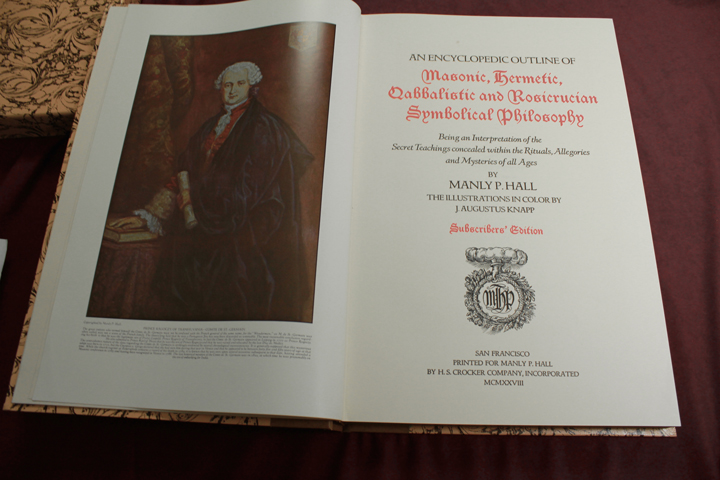
The Secret Teachings of All Ages (Manly P. Hall — Reader’s Edition)
An encyclopedic outline of Masonic, Hermetic, Qabbalistic, and Rosicrucian symbolical philosophy, detailing the rites of ancient mystery schools from Eleusis to the Rose Cross.